
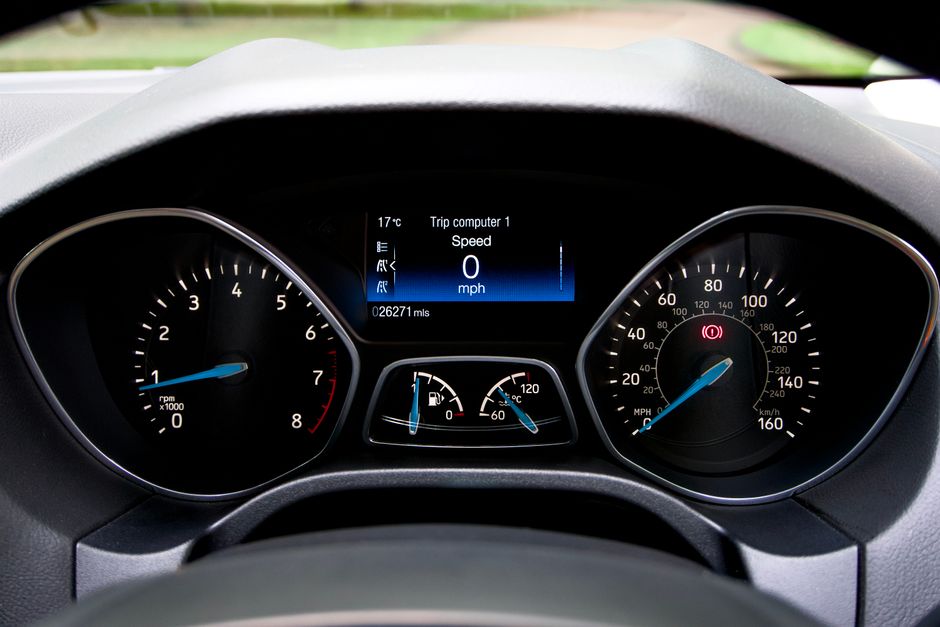
You can’t legally add miles to a car’s odometer without driving it — that’s odometer fraud in every U.S. state. But you can accumulate miles on a car without driving it yourself: a trusted friend or family member drives it, a paid driving service moves it, or a mechanic puts miles on it during a test drive. What you cannot do is roll the number forward by hand, disconnect the gauge, or swap a cluster to make a car look more used or less used than it is.
The confusion usually comes from mixing two different questions. One is practical: how do I get a rarely driven car some exercise or mileage? The other is legal: can I change what the odometer reads? The first has real answers. The second has a short one — no.
Why Can’t You Just Change The Odometer Reading?
Federal law prohibits odometer tampering, and the rules are stricter than most people realize. Under the federal odometer law, it is illegal to disconnect, reset, or alter an odometer with the intent to change the mileage registered — and that applies whether you’re trying to lower the number or raise it.
This surprises people. Most assume the law only protects buyers from rolled-back miles. It doesn’t. Raising the mileage to make a car appear more driven is also a form of fraud, because the reading no longer reflects the car’s true history. It can affect resale value, warranty claims, and insurance.
Some states have their own odometer statutes on top of the federal rule, and penalties can include fines and, in serious cases, criminal charges. A vehicle’s mileage is treated as part of its identity, not a number you can edit.
There’s a second reason the question is mostly theoretical. Modern digital odometers store mileage in the instrument cluster and often in other control modules. The number isn’t a simple dial you turn. Manufacturers design these systems specifically to resist alteration, and technicians can often detect tampering even when someone tries to cover it up.
What Actually Counts As Putting Miles On A Car?
Miles accrue when the vehicle’s wheels turn under its own power over distance. That’s the honest definition, and it’s why every legitimate method involves someone actually driving the car.
Here’s a clarification that trips people up. Running the engine in park does not add miles. Idling for an hour warms the engine and charges the battery, but the odometer stays put because the wheels aren’t moving. The same goes for revving the engine or letting the car sit in the driveway. Engine hours and miles are tracked separately on many vehicles for exactly this reason.
So if your goal is genuinely to add mileage, a person has to drive. If your goal is simply to keep a low-mileage car healthy, you don’t need miles at all — you need regular use and maintenance, which is a different thing.
How To Put Miles On A Car Without Driving It Yourself
You can add miles without being the one behind the wheel. The key is that a real driver moves the car a real distance, and the odometer records it honestly.
- Let a trusted friend or family member drive it. A licensed driver you know can take the car on errands or a longer trip. Keep a simple log of dates and mileage if the car is financed or leased.
- Hire a driving or transport service. Some services move vehicles between locations. For long distances, professional auto transport uses a truck or trailer — but note that towing or hauling a car does not add miles, because the wheels aren’t driving the vehicle.
- Use a mechanic’s test drive. If the car is in for service, road testing during diagnosis adds legitimate miles. Ask the shop to note it on the invoice.
- Take the long way. If you’re already going somewhere, a longer route adds miles naturally. This sounds obvious, but it’s the simplest honest method.
One caution on leases and loans. Many lease agreements cap total mileage and charge for excess. Adding miles on purpose, even legitimately, can cost you money at turn-in. Check your contract before you go out of your way to rack up distance.
Does A Car Need To Be Driven To Stay Healthy?
Cars benefit from being driven regularly, and the reasons are well established. Short trips and long periods of sitting create specific problems that idling in the driveway doesn’t fix.
Batteries discharge over time when a car sits, especially in cold weather. Tires can develop flat spots when a car rests in one position for months. Brake components and other metal surfaces are more prone to rust when moisture isn’t burned off by regular driving. Fluids circulate and reach operating temperature when the car is driven, not when it idles.
This is where many owners go wrong. They think starting the engine once a week keeps everything in shape. It helps the battery somewhat, but it doesn’t move the tires, exercise the brakes, or circulate fluids the way a real drive does.
How often a car should be driven depends on the vehicle, the climate, and the manufacturer’s guidance — there’s no single universal interval, and I’d be overstating it to give you one. A reasonable general practice many mechanics suggest is a longer drive at highway speed periodically rather than many short trips, but follow your owner’s manual for your specific car.
Can You Add Miles By Towing Or On A Dyno?
Towing a car does not add miles to the odometer. When a vehicle is pulled on a trailer or towed with the drive wheels off the ground, the odometer doesn’t register distance the way it does under its own power. This is a common misconception.
A dynamometer — the rolling road used for emissions testing and performance tuning — spins the wheels while the car stays in place. Whether it registers on the odometer varies by vehicle and setup, and it’s not a reliable or legitimate way to add miles. It’s a diagnostic tool, not an odometer method.
Neither approach gives you honest, meaningful mileage. If a car needs miles, it needs a driver.
What About Cars Stored Long-Term?
A stored car doesn’t need fake miles. It needs proper storage and a plan for occasional real driving.
If a vehicle will sit for an extended period, common practice includes keeping the battery on a maintainer, inflating tires to help prevent flat spots, and arranging for someone to drive it periodically. The specific steps and intervals vary by vehicle, so check your owner’s manual rather than relying on general advice.
When the car comes out of storage, a genuine drive — not idling — is what brings systems back up to temperature and lets you check that everything works. That drive adds real miles, which is fine. The point is that the miles reflect actual use, not a number someone typed in.
The Bottom Line On Odometer Numbers
The odometer is a legal record, not a setting. You can add miles by having the car driven by someone you trust or a service, and those miles will be real. You cannot add miles by editing the number, and trying to is fraud under federal law and often state law too.
If your real concern is a car that sits too much, the answer isn’t more miles on paper — it’s regular real driving and following your maintenance schedule. If your concern is a lease or resale value, talk to your lender or a dealer before you deliberately add distance.
Frequently Asked Questions
Is it illegal to add miles to a car’s odometer?
Yes. Federal law prohibits altering an odometer to change the registered mileage, and that includes raising it as well as lowering it. Many states have additional odometer laws with their own penalties.
Does idling a car add miles?
No. The odometer only registers distance when the wheels turn and the car moves. Idling in park warms the engine but leaves the mileage unchanged.
Does towing a car add miles to the odometer?
No. A car being towed or hauled on a trailer does not accumulate odometer miles, because the wheels aren’t driving the vehicle over the road.
Can I pay someone to drive my car to add miles?
Yes, a licensed driver or driving service can drive the car and the miles will register honestly. Check your lease or loan terms first, since excess mileage can carry charges.
