
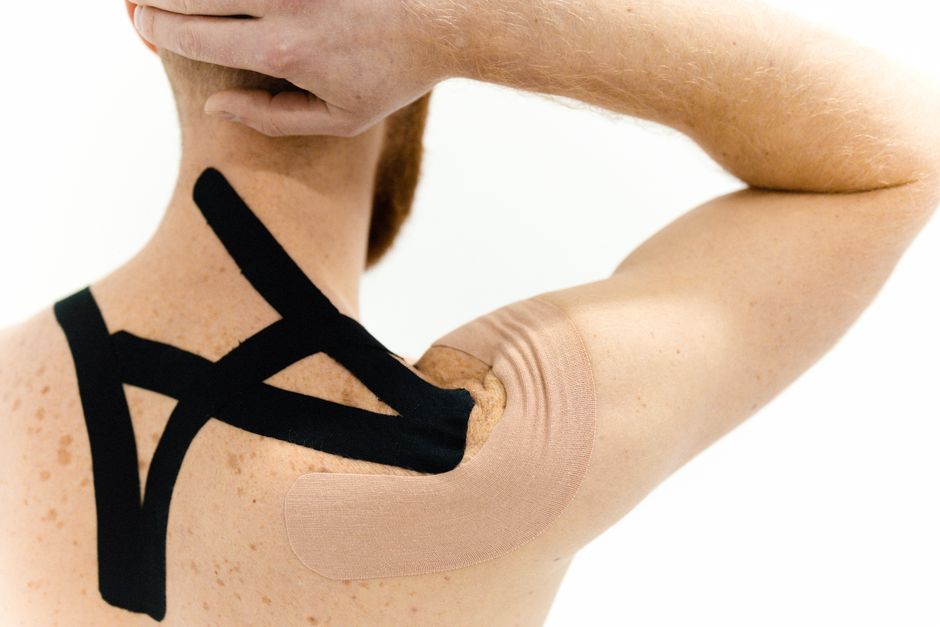
KT tape is an elastic cotton strip used to support muscles and joints without restricting movement. To put KT tape on your shoulder, you clean the skin, measure and cut the tape, and apply it in a specific pattern depending on the injury. The most common method for shoulder support uses a Y-strip applied from the upper arm to the shoulder blade with tension to lift the skin and reduce pressure.
What is KT Tape and How Does It Work?
KT tape stands for Kinesio tape. It is a thin, stretchy tape that mimics the skin’s elasticity. The theory behind it is that lifting the skin creates a small space between the skin and the underlying tissues. This space may improve blood flow, reduce inflammation, and relieve pressure on pain receptors.
The evidence for KT tape is mixed. Some studies show it can help with pain and range of motion in the short term. Other studies find no meaningful benefit over placebo. It is not a treatment for serious injuries. It may be useful as part of a larger rehabilitation plan, but it should not replace medical advice or strengthening exercises.
When Should You Use KT Tape on Your Shoulder?
KT tape is commonly used for shoulder problems like rotator cuff strains, impingement syndrome, and postural issues. Athletes and people with overuse injuries often try it to reduce pain during activity. Physical therapists sometimes use it to improve muscle activation or correct shoulder positioning.
There are no strict rules for when to tape. Most guidelines suggest using it if it helps you move more comfortably. If you have a severe injury, a fracture, an infection, or a skin condition, do not use KT tape. See a doctor first.
How To Put KT Tape On Your Shoulder Step By Step
This step-by-step guide describes the most common method for general shoulder support. Adjustments may be needed for specific injuries. The key is to apply the tape with the right tension and placement.
- Clean and dry your shoulder. Remove lotions, oils, and sweat. Shave the area if there is heavy hair. Tape sticks best to clean skin.
- Cut two strips of tape. For a standard shoulder, cut a strip about 8 to 10 inches long for the anchor. Cut another strip about 12 to 14 inches long and split it lengthwise to create a Y shape. Round the corners of each strip to prevent peeling.
- Position your arm. Most applications work best with the arm slightly lifted and rotated outward. Have someone help you if needed.
- Apply the anchor strip. Place the short uncut strip just below the shoulder blade on the back. Rub it to activate the adhesive. No stretch on the anchor.
- Apply the Y-strip with tension. Take the split end of the Y-strip. Peel the backing about 2 inches from the base. Stick the base on the front of the shoulder near the collarbone. Then, with 30 to 50 percent stretch, bring one tail across the top of the shoulder and down to the anchor on the back. Apply the other tail with same stretch across the front of the shoulder. The tails should cross over the deltoid muscle.
- Rub the tape firmly. Friction activates the adhesive. Gently sweep your hand over the tape several times.
- Check for comfort and movement. The tape should not pull the skin painfully. If it feels too tight, remove and reapply with less stretch.
The tape can stay on for three to five days. Remove it slowly in the direction of hair growth. If your skin reacts, take the tape off immediately.





Tips for Better Results
Apply the tape at least one hour before exercise. This gives the adhesive time to bond. Avoid stretching the ends of the tape — the first and last two inches should have zero stretch. This prevents the tape from lifting at the edges.
Do not rub or scratch the tape after application. Oils and friction loosen it. If the tape starts peeling, trim the loose edges with scissors. Replacement is usually needed every three to five days.
Precautions and When to See a Doctor
Do not use KT tape on open wounds, rashes, or sunburned skin. If you have a known allergy to acrylic adhesives, try a small test patch on your inner arm first. Redness, itching, or blisters mean you should stop using it.
KT tape does not treat underlying problems. If you have persistent shoulder pain, weakness, limited movement, or a popping sensation, see a healthcare provider. A proper diagnosis is essential before taping becomes part of your care.
Frequently Asked Questions
Can I apply KT tape on my shoulder by myself?
Yes, but it is easier with help. Using a mirror and following the step-by-step instructions can work for simple applications.
How long should I leave KT tape on my shoulder?
Most manufacturers recommend leaving it on for three to five days. Remove it sooner if it causes irritation.
Does KT tape actually help shoulder pain?
Some people report short-term pain relief, but studies show mixed results. It is not a cure and works best when combined with exercise and physical therapy.
What type of KT tape is best for the shoulder?
Standard cotton KT tape with a medical-grade acrylic adhesive works well. Look for brands that offer at least 30 percent stretch and are latex-free.
