
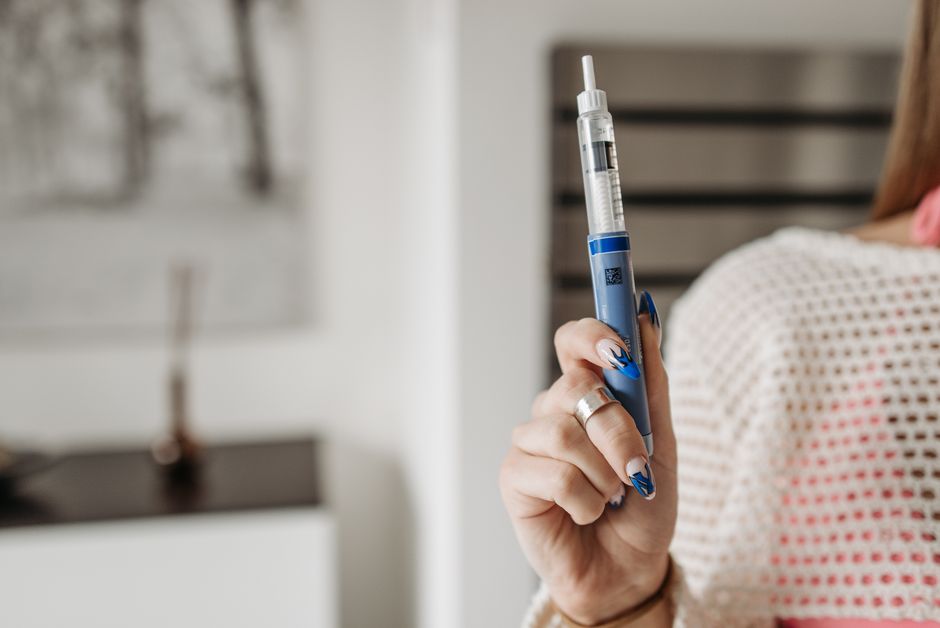
Putting a needle on a blood sugar pen takes about thirty seconds once you know the steps. You remove the pen cap, wipe the tip with an alcohol swab, peel the protective seal off a new pen needle, screw or push the needle onto the pen, then pull off the outer and inner needle covers. The most common mistakes are reusing a needle, forgetting to prime the pen, and not waiting for the alcohol to dry.
Insulin pens are used by millions of people with diabetes every day. The device itself is simple, but small errors in needle technique can lead to painful injections, inaccurate doses, or infections. This guide walks through each step in order and explains the safety reasons behind them.
What Supplies Do You Need Before You Start?
Gather everything before you touch the pen. Working with clean hands and a clear surface reduces the chance of contamination and mistakes.
You will need:
- Your insulin pen, checked for the correct insulin type and unexpired date
- A new pen needle in its sealed wrapper
- An alcohol swab
- A sharps container for disposal
Wash your hands with soap and water, or use an alcohol-based hand sanitizer if soap is not available. Check the insulin in the pen. Rapid-acting insulin should be clear. Cloudy insulin, such as NPH, should be gently rolled between your palms to mix it. Never shake an insulin pen — shaking can create air bubbles and clumps that affect dosing accuracy.
Look at the insulin itself. If it has clumps, is discolored, or has particles floating in it, do not use it. This is true for both clear and cloudy types.
How To Put A Needle In A Blood Sugar Pen Safe Steps
The sequence matters. Each step protects either the insulin, the needle, or you.
Step 1: Wipe the pen tip. The rubber seal at the end of the pen is where bacteria can collect between uses. Wipe it with a fresh alcohol swab and let it air dry. Alcohol needs time to work. Wiping and immediately attaching the needle does not give the alcohol time to kill germs, and wet alcohol can also sting if any gets into the injection site.
Step 2: Open the needle wrapper. Peel the paper seal off the top of the needle package. Do not remove the needle from the wrapper yet. The wrapper protects the needle from touching anything before it reaches the pen.
Step 3: Attach the needle. Hold the pen upright. Push the needle straight onto the pen tip and twist until it is snug. Do not overtighten. Most pens use a simple screw-on or push-and-twist design. If the needle does not sit flat against the pen, it is not on correctly and the dose may leak.
Step 4: Remove the outer cover. Pull the larger plastic cap straight off. Set it aside — you will need it when you remove the needle later.
Step 5: Remove the inner cover. The smaller inner cap covers the actual needle. Pull it straight off and discard it. Do not try to put it back on after the injection; that is how needlestick injuries happen.
Step 6: Prime the pen. Dial up a small test dose, usually 2 units, and press the injection button while pointing the needle upward into the air. A drop of insulin should appear at the tip. This is called a priming or safety shot. It removes air from the needle and confirms the pen is working. If no drop appears, repeat with another 2 units. If you still get nothing after a few tries, the needle may be blocked or the pen may be faulty.
After priming, you are ready to dial your prescribed dose and inject. The priming insulin is discarded into the air, not injected.
Why Does Needle Reuse Cause Problems?
A pen needle is designed for one injection only. Reusing it is common, but it carries real risks that are well documented in diabetes care.
After a single use, the needle tip bends and develops a burr. A second injection with a dulled needle hurts more and can cause more bruising and bleeding. Over repeated uses, the needle can break off under the skin, which requires a medical procedure to remove.
Reuse also raises infection risk. Bacteria on the needle can enter the skin. The needle can also clog with dried insulin, which blocks flow and leads to an inaccurate dose. A clogged needle may deliver less insulin than you dialed, and you may not notice.
Some people reuse needles to save money or because supplies run short. If cost is the barrier, talk to your pharmacist or diabetes care team. There are often ways to get supplies at lower cost. Reuse is not a safe long-term strategy.
What Are the Most Common Mistakes?
Most problems with insulin pens come from a short list of errors. Knowing them helps you avoid them.
- Forgetting to prime. Skipping the priming shot means air stays in the needle, and your first dose may be short.
- Injecting before the alcohol dries. Wet alcohol stings and can push bacteria into the skin.
- Not checking the insulin. Using expired or clumped insulin affects how well it works.
- Leaving the needle on the pen. This lets air into the cartridge and can cause insulin to leak or clog the needle.
- Sharing pens. Even with a new needle, blood can travel back into the cartridge. Pens should never be shared, even between family members.
One detail many people miss: leaving a needle attached between doses changes the pressure inside the cartridge. That can let air in or let insulin seep out, which throws off future doses. Remove the needle after every injection.
How Do You Remove and Dispose of the Needle?
Remove the needle right after your injection. Put the large outer cover back on a flat surface, then carefully guide the needle into it without touching the needle itself. Once covered, twist the needle off the pen and drop it into a sharps container.
A sharps container is a rigid, puncture-resistant box with a tight lid. You can buy one at a pharmacy, or in many states you can use a heavy plastic container such as a laundry detergent bottle with a screw-on cap. Check your local rules, because disposal requirements vary by state and county.
Never recap a needle by holding the cap in your hand and pushing the needle into it. That is the single most common way people stick themselves. The scoop method — laying the cap on a surface and guiding the needle in — is safer.
Never throw loose needles in the trash or flush them. They can injure sanitation workers and family members.
Does Injection Site Matter?
Where you inject affects how fast insulin is absorbed. The abdomen absorbs fastest, followed by the upper arms, thighs, and buttocks. Your care team will tell you which sites to use and how to rotate them.
Rotating sites prevents lipohypertrophy, a buildup of firm fatty tissue that changes how insulin is absorbed. Injecting into the same spot over and over can make insulin work unpredictably. Move at least a finger’s width from your last injection site each time.
Do not inject into a site that is bruised, scarred, or lumpy. Insulin absorbed from damaged tissue may not act the way you expect.
When Should You Talk to Your Care Team?
Contact your diabetes care team if you notice new lumps or dents at injection sites, if injections have become consistently painful, or if your blood sugar readings have changed in ways you cannot explain.
Get medical help right away if a needle breaks off under your skin, if you see signs of infection such as redness, warmth, swelling, or pus at an injection site, or if you have a needle stick injury.
Insulin dosing is individual. Never change your dose, timing, or insulin type without guidance from your prescriber. The steps above cover safe needle technique, not dosing decisions.
Frequently Asked Questions
Can I reuse a pen needle if it looks clean?
No. Pen needles are designed for single use, and even one reuse bends the tip and raises infection risk. Reuse can also clog the needle and cause an inaccurate dose.
Do I have to prime the pen every time?
Yes, prime with a small test dose before each injection to remove air and confirm the pen works. If no drop appears after a few attempts, change the needle or check the pen.
What happens if I leave the needle on the pen?
Air can enter the cartridge and insulin can leak out, which affects future doses. Always remove the needle right after your injection.
Where should I put used pen needles?
Place them in a sharps container or a rigid, puncture-resistant container with a tight lid. Never put loose needles in household trash or flush them.
