
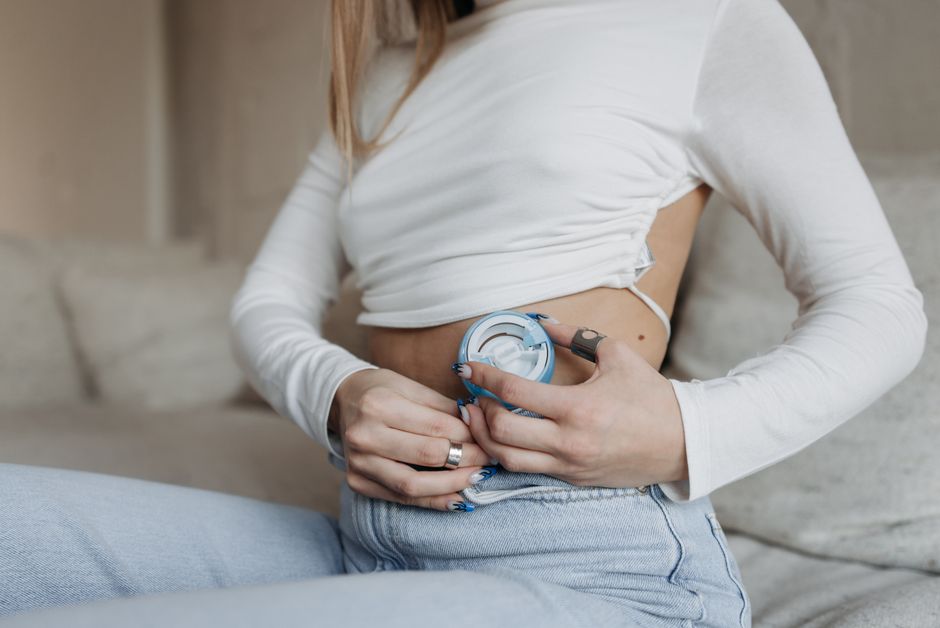
Pumping breast milk hands-free is possible with the right bra, wearable pump, or clever setup. A hands-free pumping bra holds flanges in place so you can type, read, or care for your baby while pumping. Wearable pumps fit inside your bra entirely, letting you move around the house. The most reliable option for most mothers is a well-fitted hands-free pumping bra used with a standard electric pump, while wearable pumps offer more freedom but often with less suction power.
How Do Hands-Free Pumping Bras Work?
A hands-free pumping bra is a stretchy, supportive bra with slits or openings in the fabric. You insert the breast shield (flange) through the opening so it stays pressed against your breast without you holding it.
Most designs use a clasp or a hook-and-loop closure in the front. This lets you open the bra, position the flange, and close it snugly to hold everything in place. The compression must be firm enough to hold the flange steady but not so tight that it blocks milk flow.
These bras work with standard electric pumps that have tubing connecting to a bottle. The pump itself sits on a table or hangs from a lanyard. Your hands stay free, but you are still tethered to the pump by tubing.
Some bras are designed as nursing and pumping hybrids. You can wear them all day for regular nursing and then convert them for pumping. Others are purely pumping bras meant only for pump sessions.
What Are Wearable Breast Pumps?
Wearable breast pumps are battery-powered pumps that fit entirely inside your bra. There are no external tubes or bottles. The collection cup, motor, and milk reservoir are all in one unit that sits inside your regular bra or a specialized pumping bra.
These pumps allow true mobility. You can walk around, do dishes, or work at a desk without being connected to a wall outlet or a tabletop pump. Most wearable pumps are controlled by a button on the device or through a smartphone app.
Wearable pumps generally have smaller motors than full-size electric pumps. Some mothers find the suction weaker or less consistent. Milk collection capacity is also smaller, so you may need to empty the cups mid-session if you produce a large volume.
Research on wearable pumps is still emerging. Some studies suggest they empty the breast as effectively as standard pumps for many women, but results vary. Your milk output depends heavily on proper flange fit and suction settings, not just the pump brand.
How To Choose the Right Hands-Free Pumping Bra
Fit is the single most important factor. A pumping bra that is too loose will not hold the flanges in place. One that is too tight can compress milk ducts and reduce output.
Measure yourself while wearing the bra you plan to use for pumping. Your band size and cup size can change during pregnancy and postpartum. Do not rely on your pre-pregnancy size.
Look for bras made of breathable, stretchy fabric. Cotton blends and moisture-wicking materials reduce skin irritation during long pump sessions. Avoid bras with thick seams or rough stitching where the flange presses against your skin.
Consider how the bra opens. Front-clasp designs are easier to manage one-handed. Some bras have adjustable straps so you can customize the fit as your breast size fluctuates throughout the day.
Budget matters, but the cheapest option is not always the best value. A well-made pumping bra can last through months of daily use. Check the return policy before buying so you can exchange for a different size if needed.





How To Use a Hands-Free Pumping Bra Correctly
Start with clean hands and clean pump parts. Position the flange over your nipple and center it so the nipple sits in the middle of the tunnel without rubbing the sides.
Pull the bra fabric over the flange and secure the closure. The flange should feel held firmly but not painful. Adjust the suction on your pump to the lowest comfortable level that still removes milk effectively.
Lean slightly forward during pumping. This helps milk flow downward into the collection bottle. Sit upright with good posture rather than slouching, which can kink the tubing.
Check your nipple alignment after a few minutes. If your nipple is rubbing against the tunnel wall, stop and reposition. Friction can cause soreness and reduce milk output.
Hands-free pumping still requires attention. You should look at your nipples and flanges periodically to make sure everything stays aligned. Do not walk around with a standard pump and tubing attached, as you could trip or pull the flanges loose.
Are Wearable Pumps as Effective as Standard Pumps?
For many women, wearable pumps remove milk adequately. For others, they do not empty the breast as completely as a full-size electric pump. The difference often comes down to suction strength and flange fit.
Standard electric pumps generally offer a wider range of suction levels and more consistent cycling patterns. Hospital-grade pumps are the strongest and are often recommended for mothers who need to establish or increase their milk supply.
Wearable pumps are convenient but have limitations. The motor is smaller, and the collection cup adds bulk inside your bra. Some mothers find the cups visible under clothing or uncomfortable during extended wear.
If you are exclusively pumping or trying to boost a low supply, a standard pump may be the safer choice. Use a wearable pump for occasional sessions or when you need to move around, but rely on your primary pump for most of your pumping.
No clinical evidence currently confirms that wearable pumps are equivalent to hospital-grade pumps for all women. If you notice a drop in output when switching to a wearable pump, go back to your standard pump and speak with a lactation consultant.
Hands-Free Pumping Hacks Without Special Bras
You can create a hands-free setup with items you already own. One common method is cutting small slits in an old sports bra or nursing bra. The slit holds the flange in place while the bra provides compression.
Another approach uses a stretchy band or tube top worn over your regular bra. You pull the band up over the flanges to hold them against your chest. This works in a pinch but is less secure than a purpose-made pumping bra.
Some mothers use medical tape or silicone adhesive to hold flanges in place. This works for short sessions but can irritate sensitive skin. Never use tape that is not designed for skin contact.
Pumping bras with a zipper or hook design are the most reliable hack. They are specifically engineered for this purpose and reduce the risk of spills or misaligned flanges.
If you pump frequently, invest in a proper pumping bra rather than relying on DIY methods. The cost is modest compared to the frustration of spilled milk and sore nipples from a poorly secured flange.
Common Mistakes and How To Avoid Them
Using the wrong flange size is the most common error. A flange that is too small pinches your nipple. One that is too large pulls in too much breast tissue. Both reduce milk output and cause discomfort.
Wearing the bra too tight is another frequent problem. You need compression to hold the flange, but excessive tightness can compress milk ducts. You should be able to breathe and move comfortably while pumping.
Forgetting to check the seal on wearable pumps leads to leaks. The collection cup must sit flush against your breast. A poor seal reduces suction and allows milk to escape into your bra.
Skipping pump part cleaning is a hygiene risk. Milk residue breeds bacteria. Wash all parts that touch milk after every use according to the manufacturer’s instructions.
Ignoring pain is never a good idea. Pumping should not hurt. If you feel pinching, burning, or sharp pain, stop and check your flange position and suction level. Persistent pain may indicate an improper fit or an underlying issue like thrush.
Frequently Asked Questions
Can I wear a hands-free pumping bra all day?
Yes, many hands-free pumping bras double as everyday nursing bras. Choose a style without bulky padding or rigid underwire for all-day comfort.
Do wearable pumps work for exclusive pumping?
Some women successfully exclusively pump with wearable pumps, but results vary. If your output drops, switch back to a standard electric pump and consult a lactation specialist.
How do I know my correct flange size?
Your nipple should move freely inside the tunnel without rubbing the sides. A lactation consultant can measure you accurately, or you can use a measuring guide from the pump manufacturer.
Can I sleep in a hands-free pumping bra?
No, do not sleep in a pumping bra. Prolonged compression can irritate breast tissue and increase the risk of clogged ducts.
