
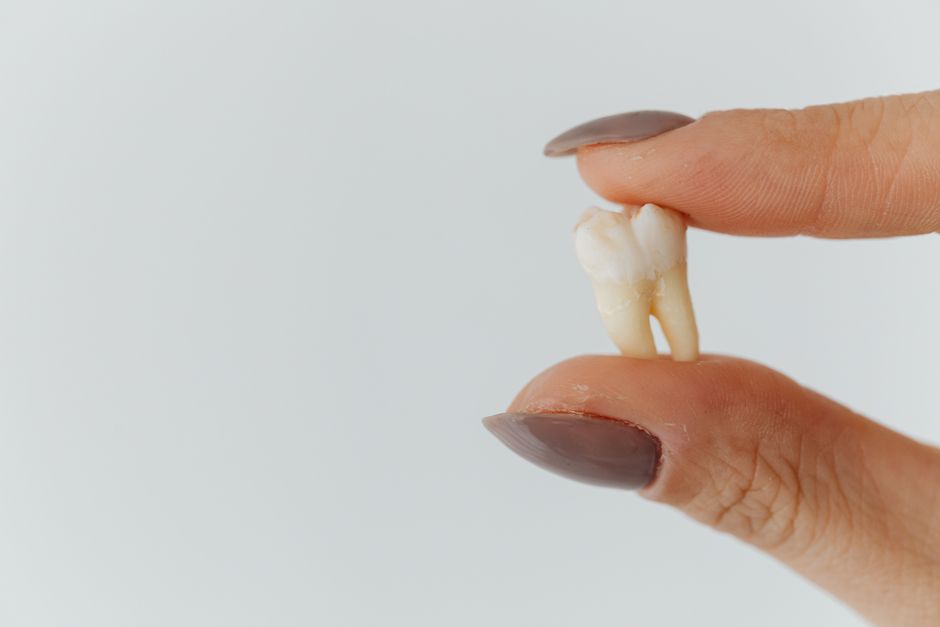
A loose baby tooth can be gently removed with floss once it is ready to come out on its own. Tie a short loop of dental floss around the tooth, close to the gumline, then pull steadily upward or outward with light, even pressure. Never force a tooth that is still firmly attached, and never yank or twist it. If the tooth does not release easily, stop and let it loosen further over the next few days.
Most parents reach this moment with a mix of nostalgia and nerves. The tooth is hanging by a thread, your child is excited about the tooth fairy, and you are not sure whether to touch it or leave it alone. Here is what actually works, what to avoid, and when a dentist should be involved.
When Is a Baby Tooth Ready to Come Out?
A baby tooth is ready to come out when it moves easily with light finger pressure and causes little or no pain. That looseness happens because the root is dissolving, a natural process called resorption. The permanent tooth underneath pushes up while the baby tooth’s root breaks down and shrinks away.
Timing matters more than technique. Pulling a tooth before its root has dissolved enough can cause pain, bleeding, and sometimes damage to the incoming permanent tooth. A tooth that still feels anchored, or that hurts when wiggled, is not ready.
Primary teeth usually start falling out around age six, and most children have lost all of them by around age twelve. The front lower teeth often go first, followed by the front upper teeth. These are general patterns, not rules. Some children start earlier and some later, and both are normal.
Signs a tooth is ready:
- It wiggles easily side to side with gentle pressure.
- Your child can push it forward and back with their tongue without much effort.
- It causes little or no discomfort when touched.
- The gum around it looks normal, not swollen or red.
If the tooth is loose but your child feels pain when it moves, wait. Discomfort usually means the root is still attached.
How To Pull Out A Baby Tooth With Floss Safely
The floss method works because it applies steady, even pressure in one direction rather than a sudden jerk. The key word is steady. Slow and controlled beats fast and forceful every time.
Step by step
- Wash your hands and have your child rinse their mouth with water.
- Cut a piece of regular dental floss about 12 to 18 inches long.
- Tie a simple loop around the base of the tooth, as close to the gumline as you can get without pinching the gum.
- Hold the ends and pull gently but firmly upward and slightly outward, in one smooth motion.
- Stop if there is resistance. If the tooth does not come free with light steady pressure, it is not ready. Untie the floss and try again in a few days.
- After the tooth comes out, have your child bite down on a clean gauze pad or a folded piece of clean cloth for a few minutes to help stop any minor bleeding.
A small amount of blood is normal. So is a little tenderness for a day or two. A cold compress or a cold drink can help if the area feels sore.
One thing worth knowing: the floss does not “cut” the tooth free. It simply gives you a controlled grip so you can apply even traction. The tooth releases because its root has already dissolved, not because the floss does anything to it. That is why the method only works on a tooth that is genuinely ready.
What Should You Not Do When Removing a Baby Tooth?
Never tie floss to a doorknob and slam the door. This old trick shows up in cartoons and family stories, and it is a bad idea. It applies a sudden, uncontrolled force that can injure the gum, break the tooth, or send the wrong piece of tooth into the wrong place. It can also scare a child badly.
Other things to avoid:
- Do not twist or rock the tooth hard. Twisting can tear gum tissue and cause more bleeding.
- Do not pull a tooth that is not loose. Forcing a firmly attached tooth risks pain and damage.
- Do not use pliers, tweezers, or any tool other than floss or clean fingers.
- Do not pull if the gum is swollen, red, or bleeding on its own. That can signal infection and needs a dentist’s look.
- Do not let a child do it alone if they are young enough to need help judging whether a tooth is ready.
There is also a common myth worth clearing up: swallowing a pulled baby tooth is not dangerous in itself. A small primary tooth will generally pass through the digestive tract without harm. The real risk is choking if a tooth is inhaled, which is why a calm, controlled removal matters. If a tooth is ever inhaled or a child has trouble breathing after losing one, that is a medical emergency and needs immediate care.
Is It Better to Let a Loose Tooth Fall Out on Its Own?
Often, yes. Many baby teeth come out on their own while a child eats or wiggles them with their tongue. Letting nature take its course is the lowest-risk approach, and it is perfectly reasonable to wait.
The floss method is for the in-between stage. The tooth is loose, it is bothering your child, and it is hanging on by a small amount of tissue. At that point, a gentle assist is fine. The distinction that matters is readiness, not method.
Encouraging your child to wiggle the tooth gently with a clean finger or their tongue can help it along. Chewing on firm foods can also help a very loose tooth come free naturally, though there is no need to push hard foods if the tooth is painful.
When Should You Call a Dentist?
Call a dentist if a baby tooth is loose but the gum around it is swollen, red, or tender to the touch, or if there is pus or a bad taste. These can be signs of infection that need professional care, not a home pull.
Other reasons to get a dentist involved:
- The tooth is broken, and a piece is left behind.
- Bleeding does not stop after several minutes of firm pressure with gauze.
- Your child has significant pain.
- A permanent tooth is coming in behind or beside the baby tooth before it falls out.
- The tooth has been loose for a long time without progress.
- Your child has a medical condition that affects bleeding or healing.
Dental guidance generally supports regular checkups starting around a child’s first tooth or first birthday. Those visits are a good place to ask about any loose tooth that concerns you.
How Do You Care for the Mouth After a Tooth Comes Out?
Keep the area clean, but be gentle for the first day. Your child can brush normally but should avoid scrubbing the empty socket. Rinsing with plain water after meals is enough. Avoid very hot, spicy, or crunchy foods for a day or two if the area is sore.
Minor bleeding usually stops within a few minutes with firm pressure from a gauze pad. A small amount of oozing afterward is normal. If bleeding restarts heavily or continues well beyond that, contact a dentist.
The new permanent tooth will typically begin to appear in the space over the following weeks to months. That timing varies widely from child to child. If no permanent tooth appears in that spot after a long period, a dentist can check whether anything is blocking it.
Frequently Asked Questions
Can you pull a baby tooth with floss if it is only slightly loose?
No. Floss should only be used on a tooth that is very loose and ready to come out. Pulling a tooth that is still firmly attached can cause pain and injury.
Does pulling a baby tooth with floss hurt?
It should cause little to no pain if the tooth is truly ready, because the root has already dissolved. If your child feels pain, the tooth is not ready and you should wait.
What happens if my child swallows a pulled baby tooth?
A small baby tooth will generally pass through the digestive tract without harm. The bigger concern is choking or inhaling the tooth, so keep the removal calm and controlled.
How long does it take for bleeding to stop after pulling a baby tooth?
Minor bleeding usually stops within a few minutes when your child bites down on clean gauze. If bleeding continues heavily or restarts, contact a dentist.
