
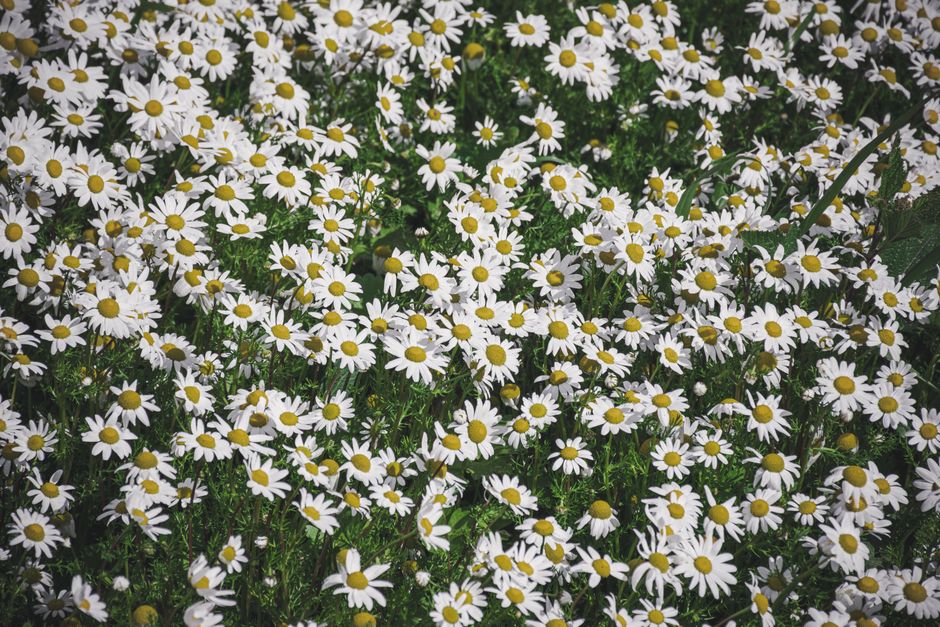
Pruning daisies means cutting back spent flowers and old stems to push the plant into producing more blooms. Deadhead individual faded flowers by snipping the stem just above a leaf node. Cut back straggly growth by about one-third after the first flush of bloom. Divide crowded clumps every two to three years. That routine keeps most daisy types healthy and flowering through the season.
Daisies are forgiving plants. They tolerate clumsy cuts and recover fast. But the timing and the type of daisy matter more than most garden advice admits. Shasta daisies, oxeye daisies, and African daisies all respond differently to the same pair of pruners.
Why Does Pruning Keep Daisies Blooming Longer?
Deadheading redirects the plant’s energy. A daisy that has set seed stops investing in new flowers. The plant has done its job — it made seeds — and its internal signals shift toward ripening that seed rather than opening more buds.
Remove the fading flower head before seed forms and the plant keeps trying. It pushes out side shoots and new buds from the leaf axils below the cut. This is basic plant physiology, well documented in horticulture for many flowering perennials.
The effect varies by species. Some daisies rebloom strongly after deadheading. Others flower once and then focus on foliage and roots regardless of what you cut. Knowing which type you grow prevents frustration.
Pruning also improves air movement through the clump. Dense, unpruned daisy clumps trap moisture and shade their own lower leaves. Those leaves yellow and drop. Thinning the plant lets light and air reach the center.
How To Prune Daisies To Keep Them Healthy And Blooming?
Start with clean, sharp bypass pruners. Blunt or dirty blades crush stems and can spread disease between plants. Wipe the blades with rubbing alcohol between plants if you have had disease problems in the bed.
Work in three passes:
- Deadhead weekly during bloom. Follow the faded flower stem down to the first healthy set of leaves or a side bud. Cut just above that point. Do not leave a long bare stub — it dies back and looks messy.
- Shear after the first flush. When the main wave of flowers finishes, cut the whole plant back by roughly one-third. This is the step most gardeners skip. It triggers a second round of growth and, for many daisy types, a second round of bloom.
- Clean up at season’s end. Cut dead stems to the crown in late fall or early spring. Leave a few inches above ground in cold climates so the crown is not exposed to hard frost.
Do not cut into old, woody growth at the base of the plant. Many daisies do not sprout reliably from bare wood. Stay in the softer green stems.
One point often missed: deadheading and pruning are not the same job. Deadheading is about flowers. Pruning is about shape, air flow, and rejuvenation. A plant that gets only deadheaded can still become leggy and hollow in the middle over a few seasons.
When Should You Prune Daisies?
Timing depends on whether your daisy blooms once or repeatedly.
For repeat bloomers like Shasta daisies, prune lightly through the flowering season and do the heavier cutback right after the first big flush fades. In most US climates that falls in midsummer. Cutting back earlier sacrifices flowers. Cutting back much later may leave the plant without enough time to regrow before cold weather.
For spring-flowering daisies that bloom only once, prune right after flowering ends. That gives the plant the rest of the season to build strength for next year’s blooms. Pruning these in fall or early spring removes the buds that would have flowered.
Avoid heavy pruning in the middle of a heat wave. Plants under drought stress recover poorly from big cuts. Wait for cooler weather or water well before and after.
Do All Daisies Need The Same Pruning?
No. The word “daisy” covers plants from several different families, and their pruning needs vary.
- Shasta daisies respond well to deadheading and a midsummer cutback. They are the classic garden daisy and the most forgiving.
- Oxeye daisies are often grown as wildflowers. They self-seed freely. Deadhead to limit spread if you do not want them everywhere, or leave the seed heads for birds.
- African daisies (osteospermum) benefit from regular deadheading and a light trim to keep them bushy. They are less cold-hardy and often grown as annuals in colder zones.
- Gerbera daisies need deadheading at the base of the flower stalk, not mid-stem. Cut the whole stalk near the crown.
- Marguerite daisies get woody and leggy. A harder cutback after flowering helps them stay compact.
If you are unsure what you have, watch how it grows for one season before making big cuts. The plant will tell you where it wants to be cut by where new shoots appear.
What Happens If You Do Not Prune Daisies?
Most daisies survive without pruning. They just perform worse over time.
Unpruned clumps get crowded and hollow in the center. Flower size and number drop. The plant flops open and needs staking. Old stems and spent flowers build up and can harbor pests and fungal problems.
In wet climates, dense unpruned foliage traps moisture and raises the risk of problems like powdery mildew and crown rot. Thinning the plant is one of the simplest ways to reduce that risk.
The decline is gradual, not dramatic. A daisy left alone for one season is fine. Left alone for three or four, it often looks tired and flowers poorly. That is when dividing and rejuvenating becomes necessary.
How Do You Divide And Rejuvenate An Overgrown Daisy?
Division is the reset button for a crowded daisy. It restores vigor, improves flowering, and gives you new plants for free.
Dig the whole clump in early spring or right after flowering, depending on the type. Use a sharp spade to cut through the root ball. Discard the woody, dead center and keep the healthy outer sections. Replant them at the same depth they grew before.
Water the divisions well and keep them from drying out for the first few weeks. Most daisies establish quickly. Expect reduced flowering in the first season after division — the plant is rebuilding roots, not making flowers.
Every two to three years is a reasonable rhythm for most clumping daisies. Some vigorous types need it more often. Slow growers can go longer.
What Tools And Care Keep Pruned Daisies Healthy?
Sharp bypass pruners handle most daisy pruning. Use them for stems up to about the thickness of a pencil. For bigger, older stems, loppers or sturdy garden shears work better.
Clean tools matter. Plant pathogens spread easily on dirty blades. Wipe them with rubbing alcohol between plants, especially if you have seen disease in the bed.
After pruning, the plant needs the basics: adequate water, good drainage, and enough sun. Most daisies want full sun. Water at the base rather than overhead to keep foliage dry.
Do not over-fertilize after a hard cutback. Too much nitrogen pushes soft leafy growth at the expense of flowers. A light feeding is usually enough for established plants.
Watch the cut stems for a week or two. Healthy plants push new green shoots from below the cuts. If stems turn brown and mushy instead, you may have cut into old wood or introduced a problem — trim back to healthy tissue and let the plant recover.
Frequently Asked Questions
Should I deadhead daisies every day?
No, once or twice a week during peak bloom is enough. Daily deadheading helps but is not necessary for most garden daisies.
Can I prune daisies in summer?
Yes, a light cutback after the first flush of flowers is fine in summer for repeat-blooming types. Avoid heavy pruning during a heat wave when the plant is stressed.
Do daisies come back after cutting them to the ground?
Most established perennial daisies recover from a hard cut, but cutting to bare ground is risky for woody-based types. Leave a few inches of stem above the crown.
How often should I divide daisies?
Every two to three years is a reasonable rhythm for most clumping daisies. Divide sooner if the center dies out or flowering drops sharply.
