
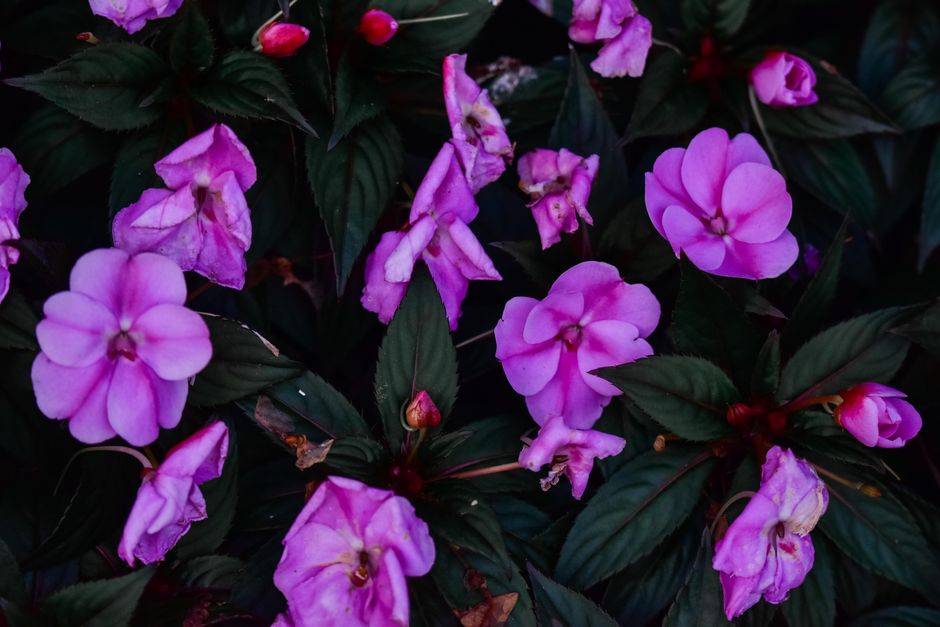
New Guinea impatiens are tropical perennials usually grown as annuals, and they cannot survive freezing temperatures. To get them through winter, you either bring potted plants indoors before the first frost and keep them in bright light at room temperature, or treat them as annuals and start fresh with new plants in spring. In USDA zones 10 and 11, where winter temperatures stay above freezing, they can stay outdoors year-round.
Most gardeners in the US fall somewhere between those two options. What you do depends on your climate, whether your plants are in pots or in the ground, and how much effort you want to invest. Here is what actually works, and what does not.
Can New Guinea Impatiens Survive Winter Outdoors?
In most of the United States, no. New Guinea impatiens are hardy in USDA zones 10 and 11 only, and they suffer damage as soon as temperatures approach freezing. A single hard frost will kill the foliage, and a sustained freeze kills the plant.
If you garden in zone 9 or colder, outdoor survival through winter is not realistic. Some gardeners in borderline warm zones mulch heavily and hope for a mild winter. That is a gamble, not a plan. The plant may survive a light frost in a sheltered spot, but repeated cold nights usually finish it off.
In zones 10 and 11, plants in the ground can stay put. They will slow down in cooler weather but keep going. Even there, an unusual cold snap can damage them, so keeping an eye on forecasts during rare freezes is sensible.
How Do You Overwinter Potted New Guinea Impatiens Indoors?
Potted plants are the easiest to save. Move them inside well before the first expected frost, not the night of it. Once indoor temperatures and lower light hit, the plant will likely drop some leaves and stop blooming. That is normal.
Follow these steps:
- Timing: Bring pots in when nighttime temperatures are forecast to drop into the low 40s Fahrenheit. Do not wait for frost.
- Light: Place them in the brightest window you have, ideally a south- or west-facing one. New Guinea impatiens need good light indoors to hold their foliage.
- Water: Water less than you did outdoors. Let the top inch of soil dry before watering again. Soggy soil in cool indoor air is the fastest way to rot the roots.
- Humidity: Indoor air in winter is dry. A pebble tray with water under the pot can raise humidity around the plant without wetting the soil.
- Fertilizer: Stop feeding, or feed at most at very low strength. Growth is slow in winter, and excess fertilizer salts can build up in the pot.
- Pest check: Inspect the undersides of leaves for spider mites and whiteflies before bringing plants inside. Indoor conditions favor both.
Expect a somewhat tired-looking plant by late winter. It is not dying. It is waiting for more light.
What About New Guinea Impatiens Planted in the Ground?
Digging up garden plants to overwinter indoors is possible but usually not worth it. The root disturbance sets the plant back, and the odds of a healthy comeback in spring are modest.
A more reliable approach is taking cuttings in late summer, well before cold weather. New Guinea impatiens root readily from stem cuttings in water or in a light potting mix. Rooted cuttings become small indoor plants that you can grow on through winter and plant out in spring.
Some gardeners also save seed, though New Guinea impatiens are often grown from cuttings and seed can be variable. Cuttings are the more predictable route.
Can You Keep New Guinea Impatiens Dormant Through Winter?
You can let a potted plant go semi-dormant, but do not expect it to look good. Kept in a cool room with reduced watering, the plant will slow growth and may lose most of its leaves. It usually survives if it does not freeze and the soil does not stay wet.
The catch is that a dormant plant still needs some light. Total darkness for months will kill it. A cool, bright room is the compromise. When days lengthen in late winter, resume normal watering and light, and new growth should appear.
This method saves space and effort. It does not produce a showy plant in the meantime.
What Temperature Is Too Cold for New Guinea Impatiens?
New Guinea impatiens are tropical plants, and cold is their main enemy. Temperatures near freezing damage or kill them, and even nights in the 40s Fahrenheit can slow growth and cause leaf drop.
For outdoor plants in warm zones, watch for forecasts that dip toward freezing. Covering plants or moving pots to a sheltered spot for a night or two can help during a brief cold snap. Prolonged cold is a different problem, and no cover will fix it.
Indoors, keep plants away from cold windows and drafty doors. Chilled soil and cold drafts cause more winter losses than most people realize.
How Do You Bring New Guinea Impatiens Back in Spring?
Wait until all danger of frost has passed in your area before moving plants back outside. In most of the country that means late spring, not early. Check your local frost dates rather than guessing.
Transition gradually. Move plants to a shaded porch or sheltered spot for a week or two before putting them in full sun. Indoor growth is soft and sunburns easily. A sudden move to bright outdoor light can scorch leaves that grew under window light.
Prune back any dead or leggy stems, resume regular watering, and start feeding again once you see active new growth. Plants that overwintered well usually bounce back within a few weeks of warmer weather and longer days.
Is It Worth Overwintering New Guinea Impatiens at All?
That depends on what you value. Overwintering saves money if you have many pots or a favorite variety. It also lets you keep a plant you like from year to year. New Guinea impatiens are widely available each spring, though, so replacing them is simple.
The honest trade-off: indoor plants in winter need steady attention, and some will not make it. If you have a bright window and do not mind the fuss, overwintering works. If not, treating them as annuals is a perfectly reasonable choice, and it is what most gardeners do.
One clarification worth knowing: New Guinea impatiens are a different species from the common bedding impatiens that have struggled with downy mildew in recent years. That disease issue is one reason New Guinea types became popular in the first place. It does not change their cold sensitivity, but it explains why so many gardens rely on them.
Frequently Asked Questions
Can New Guinea impatiens survive winter outdoors?
Only in USDA zones 10 and 11, where temperatures stay above freezing. In colder zones, frost kills them.
Should I cut back New Guinea impatiens before winter?
Trim leggy or damaged stems before bringing plants indoors, but avoid a hard cutback. Light pruning helps the plant fit its space and reduces pest hiding spots.
How often should I water New Guinea impatiens in winter?
Water only when the top inch of soil feels dry, which is usually less often than in summer. Cool indoor air and slow growth mean the plant uses much less water.
Can I take cuttings from New Guinea impatiens in fall?
Yes, and it is often more reliable than digging up garden plants. Take stem cuttings several weeks before frost and root them indoors for spring planting.
