
Protecting your teeth comes down to three things: keeping cavity-causing bacteria in check, keeping enamel strong, and avoiding physical damage. Daily brushing with fluoride toothpaste, cleaning between teeth, limiting sugary and acidic drinks, and regular dental checkups are the measures with the strongest evidence behind them. Most tooth decay is preventable, and most physical tooth damage is avoidable.
How Does Tooth Decay Actually Happen?
Tooth decay is a bacterial process, not a simple matter of sugar touching your teeth. Bacteria that live in dental plaque feed on fermentable carbohydrates and produce acid as a byproduct. That acid pulls minerals out of the enamel surface, a process called demineralization.
Your saliva constantly works the other way, pushing minerals back into the enamel. This is remineralization. Decay happens when demineralization outpaces remineralization over time. Early on, this shows up as a chalky white spot. The enamel is still intact at that stage and can often recover.
Once the acid damage breaks through the enamel, the softer dentin underneath is exposed. Decay moves faster there. Left untreated, it reaches the pulp where the nerve and blood supply sit, which is when pain, infection, and root canal treatment enter the picture.
Two things about this process are worth understanding clearly. First, it is driven by frequency of acid exposure as much as total amount of sugar. Sipping a sweet drink slowly over an hour causes more acid attacks than drinking it quickly. Second, fluoride works by making enamel more resistant to that acid and by supporting remineralization. It does not just “clean” teeth.
What Is the Best Way To Brush and Clean Between Your Teeth?
Brushing removes plaque, and plaque is where the acid-producing bacteria live. The technique matters more than most people realize.
Use a soft-bristled toothbrush and fluoride toothpaste. Angle the bristles at about 45 degrees toward the gumline, where plaque concentrates, and use short gentle strokes. Scrubbing hard does not clean better. It wears down enamel at the gumline and irritates gum tissue.
Brush twice a day for about two minutes. The general clinical direction, widely reflected in dental guidance, is to brush last thing before bed and at one other time during the day. Brushing before bed matters because saliva flow drops during sleep, which reduces your natural remineralization and acid-buffering capacity overnight.
One practical point that surprises people: after consuming something acidic, like citrus or soda, wait before brushing. Acid temporarily softens the enamel surface, and brushing right away can wear away mineral. Rinsing with water and waiting a while is the safer sequence.
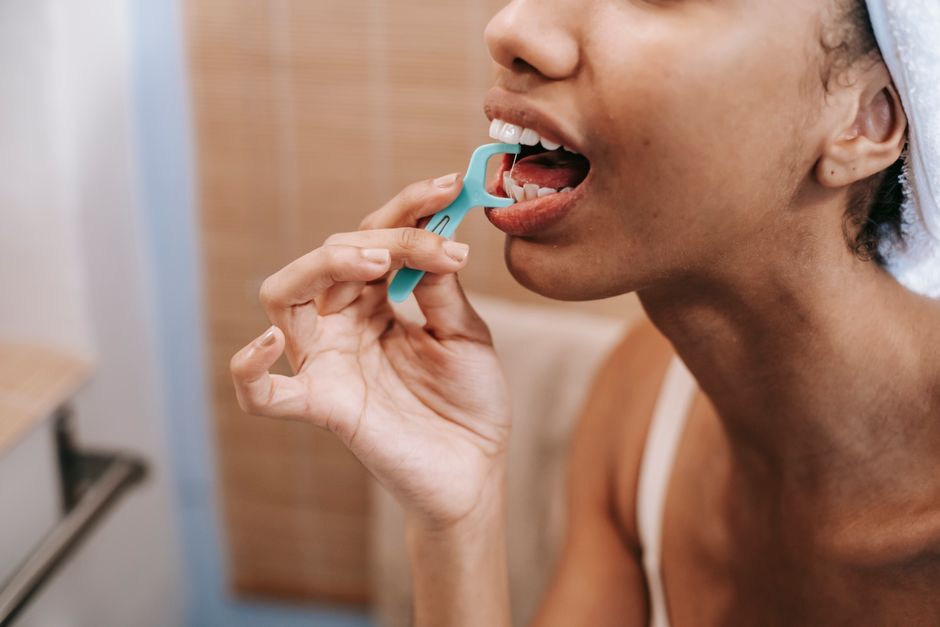
Cleaning between teeth is not optional. A toothbrush cannot reach the surfaces between teeth, and those surfaces are common sites for decay and gum disease. Dental floss, interdental brushes, or water flossers all address this. Interdental brushes tend to clean more effectively than floss where gaps allow them to fit, according to dental research, but floss is far better than nothing. Pick the method you will actually use daily.
How Do You Protect Your Teeth From Decay and Damage?
Prevention splits into two tracks: stopping chemical damage from decay, and stopping physical damage from wear, cracks, and trauma. Both matter, and they need different strategies.
For decay prevention, the core measures are well established:
- Fluoride toothpaste twice daily. This is the single most evidence-supported cavity prevention measure available. Fluoride in toothpaste has been shown in numerous studies to reduce cavities compared with non-fluoride toothpaste.
- Limit how often you expose teeth to sugar and acid. Frequency is the key variable, as covered above.
- Drink water, especially fluoridated water where available. Community water fluoridation is one of the most thoroughly studied public health measures in dentistry.
- Regular dental checkups. Early decay and early enamel damage are often painless and invisible to you. A dentist can catch them while they are still reversible.
- Chew sugar-free gum after meals. Chewing increases saliva flow, which helps neutralize acid. Gum sweetened with xylitol has some evidence for reducing cavity-causing bacteria, though the strength of that evidence varies by study.
For physical damage, think about what you put your teeth through. Do not chew ice, hard candy, or unpopped popcorn kernels. Do not use your teeth as tools to open packages or tear things. If you grind or clench your teeth, especially at night, talk to your dentist about a guard. Grinding wears enamel down and can crack teeth over years.
If you play contact sports, a mouthguard reduces the risk of broken and knocked-out teeth. This is straightforward and well supported.
Which Foods and Drinks Help or Harm Your Teeth?
There is no single “good” or “bad” food list, because how you consume something matters as much as what it is. Still, some patterns are clear.
Sugary drinks are among the strongest dietary contributors to tooth decay. This includes soda, sweetened coffee drinks, sports drinks, and juice. Sipping them throughout the day is worse than drinking them with a meal. Acidic drinks, including diet soda and citrus juices, cause enamel erosion even without sugar.
Sticky sugars that cling to teeth, like dried fruit and caramel, stay in contact with enamel longer than a quickly swallowed piece of chocolate. That said, no one is recommending chocolate. The point is that stickiness and frequency are what drive risk.
Foods that help include dairy products, which contain calcium and phosphorus and help buffer acid, and crunchy vegetables and fruits that stimulate saliva. Cheese in particular has been studied for its effect on raising plaque pH after eating. Water, especially fluoridated water, is the best drink for your teeth.
Does Fluoride Really Prevent Cavities?
Yes. Fluoride reduces cavities, and this is one of the most consistently supported findings in dentistry.
The mechanism is well understood. Fluoride promotes remineralization and makes the enamel crystal structure more resistant to acid. It also interferes with the bacteria that produce acid. These effects are local, which is why toothpaste and topical fluoride matter even for people who get fluoride from water.
Community water fluoridation has been credited by the CDC as one of the major public health achievements of the twentieth century, and it has been studied for decades. The evidence base is large and consistent.
Concerns about fluoride safety circulate widely online. At the levels used in toothpaste and drinking water, the established position of major health organizations is that fluoridation is safe and effective. The known risk at higher exposure levels is dental fluorosis, which causes faint white markings on developing teeth. It is generally a cosmetic issue and is associated with swallowing too much fluoride during childhood tooth development, which is why toothpaste amounts for young children are supervised. If you have specific concerns, a dentist or physician is the right person to discuss them with.
What About Toothpaste, Mouthwash, and Other Products?
The basics outperform the extras. A fluoride toothpaste and a toothbrush do most of the work. Everything else is secondary.
Whitening toothpastes often rely on abrasives, and some are more abrasive than regular toothpaste. Used long term, abrasive toothpaste can contribute to enamel wear, especially at the gumline. If you use one, it is worth asking your dentist whether it is a good fit for your enamel.
Mouthwash is not a substitute for brushing and flossing. Some rinses contain fluoride and can add benefit. Others contain alcohol and can dry out the mouth, which reduces saliva and its protective effects. If you have dry mouth, which is a real risk factor for decay, talk to your dentist about alcohol-free options and other ways to keep saliva flowing.
Be skeptical of products marketed as replacing brushing or flossing. No study has confirmed that any rinse or gadget replaces mechanical plaque removal. The evidence consistently points back to the basics.
When Should You See a Dentist?
Regular checkups catch problems early, when they are easier and cheaper to fix. The general clinical direction is a checkup at intervals your dentist recommends based on your risk, often every six months for lower-risk adults, though the right interval varies with individual risk factors.
See a dentist sooner if you notice:
- Pain or sensitivity to hot, cold, or sweet
- A visible chip, crack, or rough edge on a tooth
- Bleeding gums when brushing or flossing
- Persistent bad breath
- A tooth that feels loose or has changed position
Pain is a late sign. By the time a tooth hurts, decay has often reached the inner layers. That is why checkups matter even when nothing hurts.
Frequently Asked Questions
How often should you brush your teeth?
Brush twice a day for about two minutes with fluoride toothpaste, including last thing before bed. Brushing before sleep matters because saliva flow drops overnight, which reduces your mouth’s natural protection.
Can tooth decay be reversed?
Early enamel damage, before a cavity forms, can sometimes be stopped or repaired through remineralization with fluoride and better habits. Once a cavity has broken through the enamel, it needs professional treatment and will not heal on its own.
Is it better to floss or use a water flosser?
Both clean between teeth, and either is far better than skipping it. Interdental brushes and floss tend to remove plaque more thoroughly than water flossers, but the best choice is the one you will use every day.
Does chewing gum help protect teeth?
Sugar-free gum increases saliva flow, which helps neutralize acid after eating. Gum sweetened with xylitol has some evidence for reducing cavity-causing bacteria, though study results vary.
