
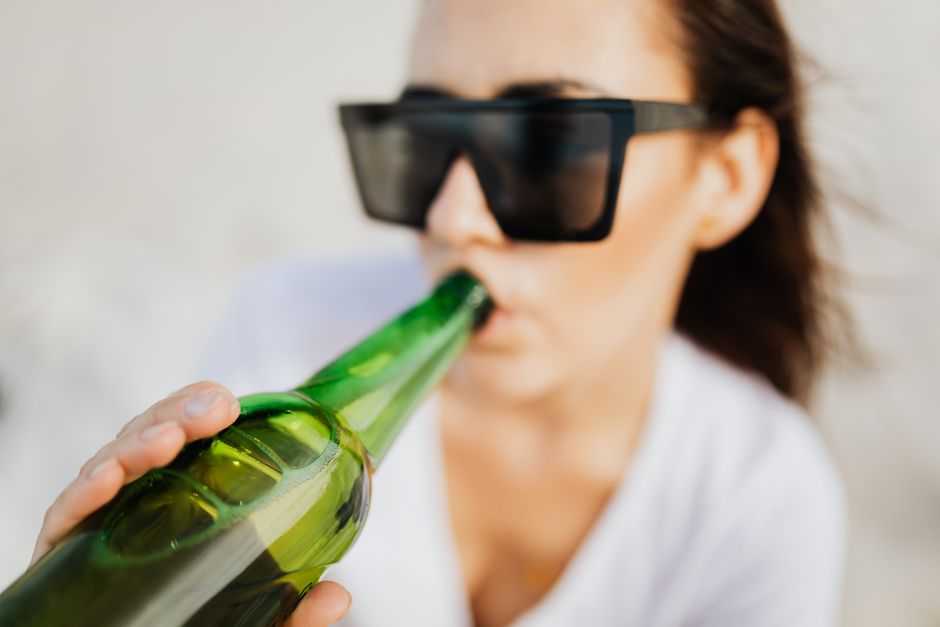
Your liver can repair a remarkable amount of alcohol-related damage — but only if you stop injuring it faster than it can heal. The single most effective step is to reduce how much you drink or stop entirely. Beyond that, protecting your liver means understanding how alcohol is processed, recognizing the early signs of harm, and avoiding the things that make damage worse.
Alcohol is broken down in the liver in two main steps. First, an enzyme called alcohol dehydrogenase converts ethanol into acetaldehyde, a compound that is genuinely toxic to liver cells. Then a second enzyme, aldehyde dehydrogenase, converts acetaldehyde into acetate, which the body can use or clear. The trouble is that acetaldehyde builds up faster than the second step can keep up, especially during heavy or repeated drinking. That buildup is a major reason alcohol harms the liver.
How Does Alcohol Actually Damage The Liver?
Alcohol damages the liver through several overlapping mechanisms, and they happen at the same time. The first is the toxic effect of acetaldehyde itself. The second is oxidative stress — the breakdown of alcohol produces reactive molecules that injure cell membranes and proteins. The third is fat accumulation. The liver normally handles fat, but alcohol shifts metabolism so that fat builds up inside liver cells, a condition called steatosis or fatty liver.
These processes trigger inflammation. Over time, ongoing inflammation can lead to scarring, known as fibrosis. When fibrosis becomes extensive, it becomes cirrhosis — permanent scarring that disrupts the liver’s structure and its ability to function. Not everyone who drinks heavily develops cirrhosis, and researchers are still working out why some people are more vulnerable than others. Genetics, body weight, diet, viral hepatitis, and drinking patterns all appear to play a role.
One point worth clarifying: fatty liver from alcohol is not the same as the fatty liver linked to obesity and metabolic problems, though the two can overlap. Alcohol-related liver disease has its own distinct biology, and it can develop in people who do not fit the typical picture of a heavy drinker.
How Much Alcohol Is Safe For Your Liver?
There is no amount of alcohol that has been proven safe for the liver in a strict sense. What exists are thresholds associated with lower risk, not zero risk. Health authorities have set limits intended to reduce harm, and those limits differ by country and are periodically revised.
What the evidence does show clearly is a dose-response relationship. The more you drink and the more often you drink heavily, the higher the risk of liver damage. Binge drinking — consuming a large amount in a short window — appears to be particularly harmful, in part because it produces a sharp spike in acetaldehyde and stresses the liver all at once.
Some people are at higher risk at lower levels of intake. These include people with existing liver conditions such as hepatitis B or C, people with obesity or type 2 diabetes, and people with a family history of liver disease. If any of these apply to you, the general clinical direction is to discuss your drinking with a healthcare provider rather than relying on general limits.
No clinical guidelines currently define a universally “safe” amount of alcohol for a person with established liver disease. For that group, the standard advice is to avoid alcohol entirely.
What Are The Early Signs Of Alcohol-Related Liver Damage?
Early alcohol-related liver damage often produces no symptoms at all. That silence is one of the most important things to understand. Fatty liver and early inflammation can be present for years without causing noticeable problems, which is why liver damage is frequently discovered on routine blood tests rather than from symptoms.
When symptoms do appear, they tend to be nonspecific. They can include fatigue, a general sense of feeling unwell, and discomfort or mild pain in the upper right abdomen, where the liver sits. Because these symptoms have many possible causes, they do not confirm liver disease on their own.
More advanced disease can bring clearer signs:
- Yellowing of the skin or eyes (jaundice)
- Swelling in the legs or abdomen
- Easy bruising or bleeding
- Confusion or difficulty concentrating
- Dark urine and pale stools
These are signs of significant liver dysfunction and warrant prompt medical attention. They are not something to monitor at home.



How To Protect Your Liver From Alcohol Damage
The most protective step is to drink less or not at all. This is not a moral statement — it is the direct consequence of how the liver processes alcohol. Less alcohol means less acetaldehyde, less oxidative stress, and more time for the liver to repair itself. The liver has real regenerative capacity, and reducing intake gives that capacity room to work.
Beyond cutting back, several practical steps support liver health:
- Avoid drinking on an empty stomach. Food slows alcohol absorption, which can reduce the peak load on the liver.
- Space out drinking and include alcohol-free days. Continuous drinking gives the liver little recovery time.
- Avoid combining alcohol with acetaminophen (paracetamol) in large amounts. This combination can stress the liver and, at high doses of acetaminophen, is a recognized cause of serious liver injury.
- Maintain a healthy body weight. Obesity and alcohol appear to compound each other’s effects on the liver.
- Get tested for hepatitis B and C. These viral infections make alcohol-related liver damage worse, and both are treatable.
- Do not rely on supplements marketed for liver health. No supplement has been shown in large human trials to prevent or reverse alcohol-related liver damage.
A note on that last point: milk thistle and various “liver detox” products are widely sold. Some small studies have looked at milk thistle, but the evidence is not strong enough to recommend it for preventing alcohol-related liver disease. No clinical evidence currently confirms that any over-the-counter product protects the liver from alcohol.
Can The Liver Recover From Alcohol Damage?
The liver can recover from some alcohol-related damage, but not all of it. Fatty liver and early inflammation are often reversible with sustained abstinence. This is well established: when people with alcohol-related fatty liver stop drinking, the fat accumulation and inflammation frequently improve, sometimes substantially.
Fibrosis is more complicated. Early scarring may partially improve with abstinence, but established cirrhosis is generally permanent. The scarring itself does not fully reverse, though stopping alcohol can slow or halt further progression and reduce complications. This is why timing matters — the earlier drinking stops, the more room there is for recovery.
Recovery timelines vary widely between individuals and depend on how much damage exists, overall health, and whether other factors like viral hepatitis or obesity are present. There is no reliable way to predict an individual’s course, and no clinical guidelines set a fixed timeline for liver recovery.
When Should You See A Doctor About Your Liver?
You should see a doctor if you have any of the advanced symptoms listed earlier, or if you drink regularly and have never had your liver checked. Liver function blood tests are simple and widely available. They are not perfect — normal results do not always rule out liver disease — but they can flag problems early.
Imaging such as ultrasound can detect fatty liver and assess scarring. In some cases, a doctor may recommend a specialized scan or a biopsy to measure fibrosis more precisely. These are decisions for a clinician, not something to self-direct.
It is also worth being honest with your doctor about how much you drink. Underreporting is common, and it can delay diagnosis. Clinicians are trained to ask about alcohol in a nonjudgmental way, and accurate information leads to better care.
Frequently Asked Questions
How much alcohol can I drink without damaging my liver?
There is no amount proven completely safe for the liver, only levels associated with lower risk. National guidelines set limits intended to reduce harm, but people with existing liver conditions, obesity, or viral hepatitis are advised to avoid alcohol entirely.
Can liver damage from alcohol be reversed?
Fatty liver and early inflammation are often reversible with sustained abstinence. Established cirrhosis is generally permanent, though stopping alcohol can slow or halt further progression.
Does drinking on an empty stomach harm your liver more?
Drinking on an empty stomach leads to faster alcohol absorption and a higher peak in the blood, which can increase the immediate load on the liver. Eating before drinking slows absorption.
Do liver detox supplements actually protect the liver from alcohol?
No clinical evidence currently confirms that any over-the-counter supplement prevents or reverses alcohol-related liver damage. Some small studies have examined milk thistle, but the evidence is not strong enough to recommend it.
