
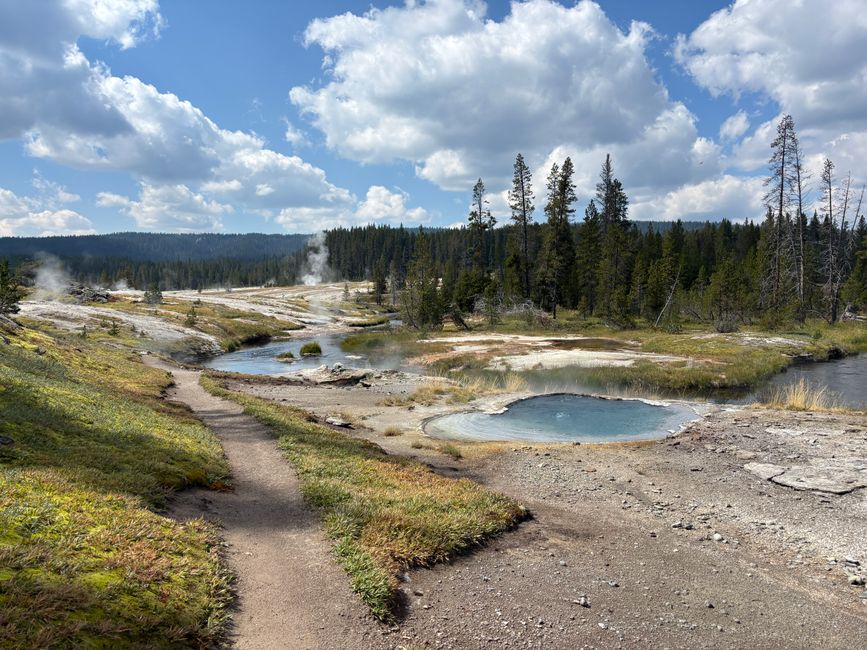
Protecting national parks starts with understanding that your daily choices have a direct impact on these public lands. You can protect national parks by following Leave No Trace principles, volunteering for trail maintenance, reducing your carbon footprint, and advocating for park funding. These actions are not complicated, but they require consistent effort from every visitor.
What Are the Most Effective Daily Habits for Protecting National Parks?
The single most powerful thing you can do is follow the seven Leave No Trace principles. The U.S. Forest Service and National Park Service both endorse these guidelines because research shows they reduce human impact on fragile ecosystems.
Pack out everything you bring in. This includes food scraps, apple cores, and biodegradable items. A 2019 study in the Journal of Outdoor Recreation and Tourism found that food waste left behind alters animal behavior and attracts wildlife to human areas, which often leads to dangerous encounters.
Stay on designated trails. Walking off-trail crushes plant life and accelerates soil erosion. The National Park Service reports that just a few hundred people walking off-trail each year can destroy fragile alpine vegetation that takes decades to regrow.
Keep a safe distance from wildlife. The general rule is at least 100 yards from bears and wolves, and 25 yards from all other animals. This protects both you and the animals. When animals become accustomed to humans, they lose natural fear behaviors and often must be relocated or euthanized.
How Does Volunteering Actually Help National Parks?
Volunteering provides direct labor that park budgets cannot cover. The National Park Service reports that volunteers contributed over 4 million hours of service in 2023 alone. That is roughly equivalent to 2,000 full-time employees worth of work.
Trail maintenance is the most needed volunteer task. Eroded trails cause sediment runoff into streams, damage plant roots, and create unsafe conditions. Volunteer trail crews remove fallen trees, clear drainage channels, and rebuild trail surfaces. This work prevents the park from closing trails due to safety or environmental damage.
Citizen science programs allow you to collect real data that park scientists use. Programs like Nature’s Notebook and the National Park Service’s BioBlitz events let visitors record plant and animal sightings. A 2022 analysis in Biological Conservation found that citizen science data from parks improved species distribution maps by 40 percent compared to professional surveys alone.
Invasive plant removal is another high-impact volunteer activity. Non-native plants crowd out native species and alter fire cycles. Volunteer pull events can remove thousands of invasive plants in a single morning, which prevents them from spreading into backcountry areas.
| Volunteer Activity | Time Commitment | Direct Impact |
|---|---|---|
| Trail maintenance | Half-day to full-day | Prevents erosion, keeps trails open |
| Citizen science | 1-4 hours per session | Provides data for management decisions |
| Invasive plant removal | 2-3 hours | Protects native plant communities |
| Visitor center assistance | 4-8 hour shifts | Educates thousands of visitors daily |
What Role Does Your Carbon Footprint Play in Park Protection?
National parks are directly threatened by climate change. The National Park Service reports that sea level rise threatens coastal parks like Everglades and Assateague Island. Glacier National Park has lost over 60 percent of its glaciers since 1850. Warmer temperatures also extend wildfire seasons and allow insect outbreaks that kill large stands of trees.
Reducing your personal carbon emissions is a concrete way to protect parks from a distance. Transportation to and from parks accounts for a large share of visitor-related emissions. The Park Service estimates that visitor travel produces roughly 80 percent of the carbon footprint associated with park visits.
You can reduce this impact by choosing closer parks for shorter trips, carpooling with other visitors, or using shuttle services where available. Several parks including Zion, Yosemite, and Grand Canyon offer mandatory or recommended shuttle systems that significantly reduce vehicle emissions inside park boundaries.
At home, reducing energy use and choosing renewable energy sources also helps. The same greenhouse gases that warm the planet do not stop at park borders. Research from the University of California found that even parks in remote areas are warming at rates similar to urban centers.





How Can You Advocate for National Parks Without Being a Lobbyist?
You do not need to be a professional advocate to make a difference. The simplest action is contacting your elected representatives. The National Park Service receives its funding from Congress. When budgets are cut, parks reduce services, delay maintenance, and lay off staff.
The National Park Service has a maintenance backlog of over 22 billion dollars as of 2024. This includes crumbling roads, failing water systems, and historic buildings in disrepair. Writing a short email or making a phone call to your congressional representative takes five minutes but signals public support for park funding.
Supporting nonprofit organizations that work with parks is another effective advocacy method. Groups like the National Parks Conservation Association and the National Park Foundation lobby for park protection and fund projects that government budgets cannot cover. These organizations provide regular updates on legislation that affects parks.
Voting in local and national elections also matters. Candidates who prioritize environmental protection and public lands funding directly affect the future of national parks. The League of Conservation Voters tracks how elected officials vote on environmental issues including park funding.
What Common Mistakes Do Visitors Make That Harm Parks?
The most common mistake is feeding wildlife. This includes leaving food unattended, intentionally feeding animals, or improperly storing food. The National Park Service reports that bears that obtain human food often become aggressive and must be killed. This happens dozens of times each year across the park system.
Another frequent error is ignoring fire restrictions. During dry conditions, campfires can spark wildfires that burn thousands of acres. The 2020 Cameron Peak Fire in Colorado was started by a campfire and burned over 200,000 acres, including parts of Rocky Mountain National Park. Check fire restrictions daily during your visit.
Taking souvenirs from parks is illegal and damaging. This includes rocks, plants, antlers, and cultural artifacts. A 2018 study in the Journal of Environmental Management found that even removing small amounts of rock from popular trails accelerated erosion by 15 percent over five years.
Using drones in national parks is prohibited without a special permit. Drones disturb wildlife, disrupt visitor experiences, and can interfere with emergency response operations. The National Park Service banned drones in all parks in 2014 after reports of drones crashing into geysers and scaring bison herds.
How To Protect National Parks What You Can Do Starting This Week
You do not need a vacation to start protecting parks. Here are actions you can take immediately:
- Research Leave No Trace principles and teach them to your family before your next trip
- Sign up for a volunteer event at a nearby national park or state park
- Calculate your transportation emissions and offset them through a verified carbon offset program
- Write one email to your representative asking for increased park funding
- Join a park-focused nonprofit organization like the National Parks Conservation Association
These actions are not dramatic. They do not require special skills. But when enough people do them consistently, the collective impact is substantial. The National Park Service manages over 85 million acres of public land. Protecting that land requires millions of small decisions made by millions of visitors.
The parks belong to everyone. That means everyone shares the responsibility for keeping them intact for the next generation.
Frequently Asked Questions
Can I bring my dog to a national park?
Dogs are allowed in most national parks but only in developed areas, campgrounds, and on paved roads. They are not allowed on most trails or in backcountry areas to protect wildlife and park resources.
What happens if I get caught taking a rock from a national park?
Removing natural or cultural resources from a national park is a federal offense punishable by fines up to several thousand dollars and potential jail time. Park rangers actively enforce these laws.
How much does it cost to enter a national park?
Entry fees vary by park but typically range from 15 to 35 dollars per vehicle for a seven-day pass. An annual America the Beautiful Pass costs 80 dollars and covers entry to all federal recreation lands.
Are electric vehicles better for visiting national parks?
Electric vehicles produce zero tailpipe emissions inside parks, which improves air quality. However, charging infrastructure remains limited in many park areas, so planning ahead is essential for longer trips.
