
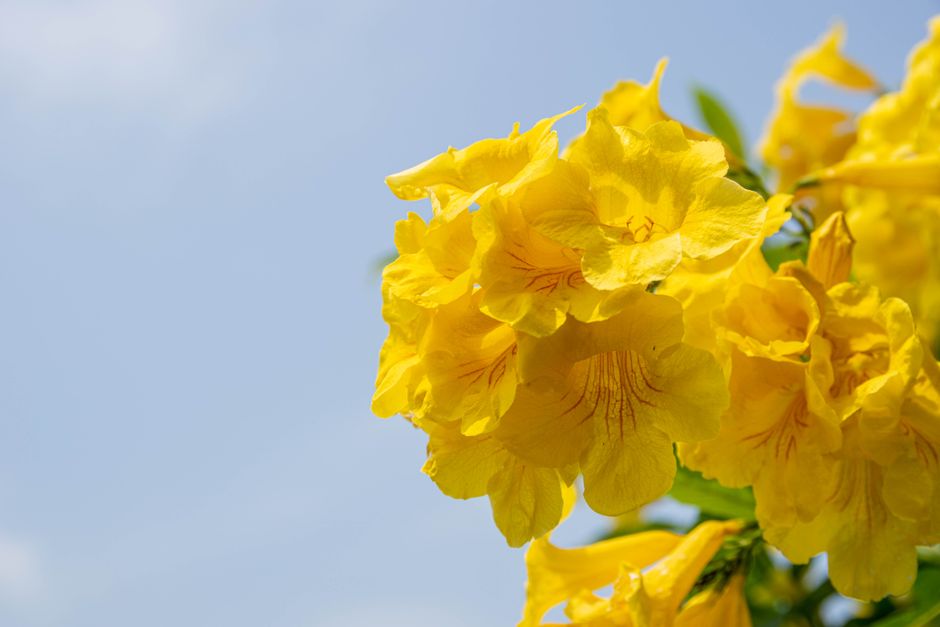
Tecoma stans, often called yellow bells or yellow trumpetbush, grows easily from both seeds and cuttings. Seeds germinate in roughly one to three weeks when kept warm and lightly moist, while softwood or semi-hardwood cuttings usually root in three to six weeks in a well-draining mix. Both methods work reliably for home gardeners, and each has trade-offs worth knowing before you start.
This is a warm-climate shrub or small tree native to the Americas, hardy in USDA zones 9 through 11. It produces bright yellow trumpet-shaped flowers and thrives in full sun. Whether you grow it from seed or from a cutting, the plant is not difficult to propagate. The differences come down to speed, uniformity, and how closely the new plant matches the parent.
How To Propagate Tecoma Stans From Seeds And Cuttings: The Two Main Methods
Seeds produce genetically varied plants. Cuttings produce clones that match the parent exactly. That single distinction drives most of the practical decisions that follow.
Seed propagation is the easier path for a beginner. You collect or buy seed, sow it, and let nature do the work. The downside is variation. A seed-grown Tecoma stans may flower slightly differently from the plant you collected from, in color intensity, bloom timing, or growth habit. If you are growing for a hedge or a landscape screen, that variation rarely matters.
Cuttings give you a plant identical to the parent. If you have a specimen with an especially good flower show or a compact habit you want to keep, cuttings preserve those traits. The trade-off is that cuttings demand more attention to moisture and humidity during rooting, and not every cutting takes.
Many growers use both. Seeds are cheap and abundant. Cuttings let you keep a favorite plant going. Neither method is superior in every situation. The right choice depends on what you want from the plant.
How Do You Grow Tecoma Stans From Seed?
Seed germination is straightforward when you give the seeds warmth, moisture, and light. Tecoma stans seed does not require scarification or stratification in most cases. Fresh seed germinates best, though stored seed can remain viable for a year or more under cool, dry conditions.
Start with clean seed. If you are collecting from pods, wait until the pods turn brown and begin to dry on the plant. Green pods contain immature seed that will not germinate well. Remove the flat, papery seeds from the pod and sow them soon after collection for the best results.
Steps for seed propagation
- Fill a seed tray or small pots with a light, well-draining seed-starting mix. A blend of peat or coconut coir with perlite works well.
- Sow the seeds on the surface and press them lightly into the mix. Tecoma stans seed needs light to germinate, so do not bury it deeply. A very thin dusting of mix is enough.
- Water gently so the mix is moist but not soggy. Standing water can rot the seed.
- Keep the tray warm. A temperature around 70 to 75 degrees Fahrenheit is suitable. A heat mat helps in cooler rooms.
- Cover the tray with a clear dome or plastic wrap to hold humidity, but open it briefly each day to allow air exchange and prevent mold.
- Keep the tray in bright, indirect light. Direct harsh sun can dry the surface too fast.
Germination typically begins within one to three weeks. Some seeds may take longer. Once seedlings have two sets of true leaves, transplant them into individual pots with a standard potting mix. Harden them off gradually before moving them outdoors.
Young seedlings grow quickly in warm weather. Pinch the growing tips to encourage a bushier shape if you want a denser plant. Seed-grown plants usually bloom within their first or second year, depending on climate and growing conditions.
How Do You Root Tecoma Stans From Cuttings?
Cuttings root best when taken from healthy, actively growing stems. Softwood cuttings from new growth in spring or early summer root fastest. Semi-hardwood cuttings taken later in the season also work but take longer.
The key variables are moisture, humidity, and temperature. Cuttings lose water through their leaves while they have no roots to replace it. Keeping the air around them humid slows that loss and gives the stem time to form roots.
Steps for cutting propagation
- Choose a healthy stem with no flowers or buds. A stem about 4 to 6 inches long works well.
- Cut just below a leaf node with clean, sharp pruners. The node is where roots most readily form.
- Strip the leaves from the lower half of the cutting. Leave two or three leaves at the top.
- Dip the cut end in rooting hormone if you have it. Rooting hormone can improve success rates, though many growers root Tecoma stans without it.
- Insert the cutting into a well-draining mix, such as half perlite and half peat or coir. Bury the bottom one to two inches.
- Water thoroughly and cover with a clear plastic bag or place in a humidity dome.
- Keep the cutting in bright, indirect light and out of direct sun. A warm spot around 70 to 75 degrees Fahrenheit is ideal.
Roots usually form in three to six weeks. You can check by gently tugging the cutting. If it resists, roots have likely formed. Once roots are established, remove the cover gradually over several days to acclimate the plant, then pot it up.
One practical detail many people miss: cuttings taken from flowering stems often root poorly. The plant is putting energy into flowers rather than root and shoot growth. Take cuttings from non-flowering growth for the best odds.
Which Method Is Faster And Which Is More Reliable?
Cuttings generally produce a flowering plant faster than seeds. A rooted cutting can bloom within the same season or the next, while a seed-grown plant often takes a year or two to reach blooming size. If speed matters, cuttings have the edge.
Seeds are more reliable in one sense. You can sow many seeds at once, and even if some fail, you usually end up with several plants. A single cutting is an all-or-nothing proposition. Take several cuttings to improve your chances.
Cost favors seeds. A packet of seed produces many plants for very little money. Cuttings are free if you have access to a parent plant, but you need that plant first.
| Factor | Seeds | Cuttings |
|---|---|---|
| Time to first bloom | Often 1 to 2 years | Often same season to 1 year |
| Genetic match to parent | Varied | Identical |
| Number of plants per effort | Many | One per cutting |
| Difficulty | Low | Moderate |
| Rooting or germination time | 1 to 3 weeks | 3 to 6 weeks |
What Conditions Do Tecoma Stans Cuttings And Seedlings Need?
Warmth and light drive success for both methods. Tecoma stans is a tropical and subtropical plant. It does not tolerate cold, and propagation fails most often when temperatures are too low or the medium stays too wet.
Temperature matters more than most growers expect. Below about 65 degrees Fahrenheit, rooting and germination slow dramatically. Keeping the medium and the surrounding air warm speeds both processes.
Moisture is the other common failure point. The medium should be consistently moist, never waterlogged. Soggy mix starves roots of oxygen and encourages rot. A well-draining mix and containers with drainage holes prevent this.
Light should be bright but indirect during rooting and germination. Once plants are established and hardened off, they want full sun. Tecoma stans flowers best in direct sun, so move young plants into full sun gradually.
After transplanting, water regularly until the plant is established. Tecoma stans is drought-tolerant once mature, but young plants need consistent moisture while their roots develop. A balanced fertilizer during the growing season supports healthy growth, though heavy feeding can produce leafy growth at the expense of flowers.
What Mistakes Cause Propagation To Fail?
Most failures trace back to a handful of avoidable problems. Knowing them ahead of time saves both seed and effort.
- Burying seed too deep. Tecoma stans seed needs light, so a shallow surface sowing works best.
- Letting the medium dry out. Seedlings and cuttings have limited reserves and wilt quickly.
- Keeping the medium too wet. This is just as harmful as drying out and often leads to rot.
- Taking cuttings from flowering stems. These root poorly compared with non-flowering growth.
- Rooting in cold conditions. Below 65 degrees Fahrenheit, progress stalls.
- Removing the humidity cover too fast. Sudden exposure to dry air can collapse a rooted cutting.
- Using dull or dirty tools. Clean cuts and clean equipment reduce disease risk.
Another less obvious issue is patience. Growers sometimes pull up cuttings to check for roots, which breaks fragile new roots and sets the plant back. If the cutting looks healthy and green, leave it alone and give it the full three to six weeks.
Tecoma stans is generally a vigorous plant with few serious pest problems in home gardens. That vigor works in your favor during propagation. Given warmth, light, and consistent moisture, both seeds and cuttings tend to succeed.
Frequently Asked Questions
How long do Tecoma stans seeds take to germinate?
Most seeds germinate within one to three weeks when kept warm and lightly moist. Some may take longer, so do not discard a tray too early.
Can you root Tecoma stans cuttings in water?
Cuttings can form roots in water, but roots grown in water are often weaker and can struggle when moved to soil. A well-draining mix usually gives better results.
Do Tecoma stans cuttings need rooting hormone?
Rooting hormone can improve success rates, but many growers root Tecoma stans without it. Clean cuts and warm, humid conditions matter more than the hormone itself.
How long until a propagated Tecoma stans plant flowers?
A rooted cutting can flower within the same season or the next, while a seed-grown plant often takes one to two years. Climate and growing conditions affect the timing.
