
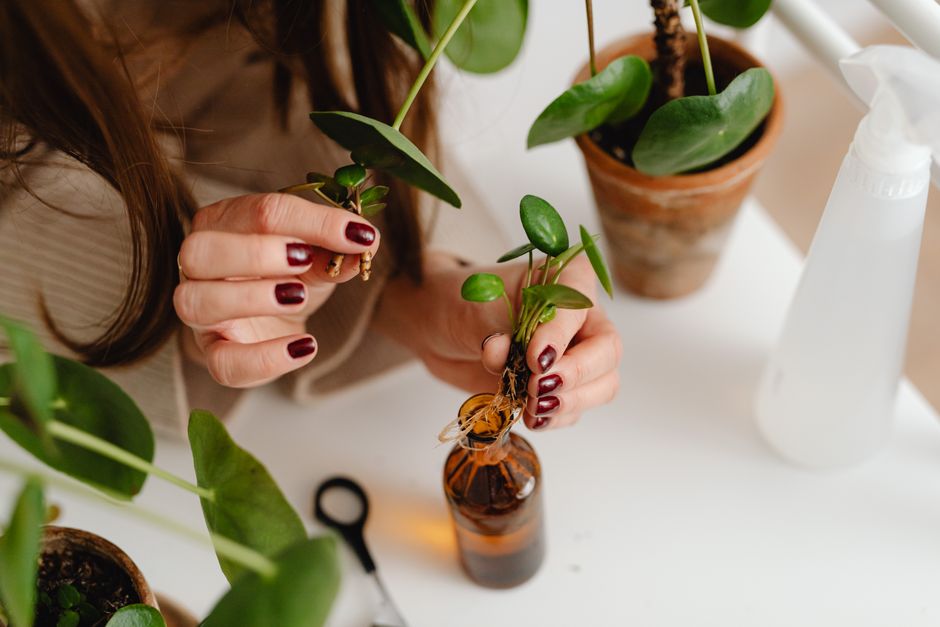
Stonecrop is one of the easiest succulents to propagate, and you can do it with nothing more than a healthy leaf or a stem cutting, some well-draining soil, and patience. The most reliable method is stem cuttings: take a piece in spring or early summer, let the cut end callus over for a few days, then set it in fast-draining potting mix and water lightly. Leaf propagation works too, but it is slower and less predictable. Either way, the key is to keep the new plant dry enough to root without rotting.
Stonecrop is the common name for plants in the genus Sedum, a large group of succulents grown for their fleshy leaves and tolerance of poor, dry soil. Most garden sedums root readily because the plant stores water and energy in its tissues — a survival strategy that also makes them forgiving to propagate. Below is a step-by-step guide, along with the honest limits of what each method can do.
How To Propagate Stonecrop Step By Step
Stem cuttings give you the fastest, most dependable results. Here is the process from cutting to a rooted plant.
- Choose healthy growth. Pick a stem that is firm, plump, and free of damage. Avoid flowering stems, which put energy into blooms rather than roots.
- Make the cut. Use clean, sharp scissors or a knife. Cut a stem a few inches long, just below a leaf node. A node is the point where a leaf attaches to the stem, and it is where new roots most readily form.
- Remove lower leaves. Strip the leaves from the bottom portion of the cutting so a clean length of stem is exposed. This is the part that goes into the soil.
- Let it callus. Set the cutting aside in a dry, shaded spot for a few days until the cut end dries and forms a callus — a slightly hardened, scabbed surface. This step matters. Planting a fresh, wet cut directly into soil raises the risk of rot.
- Plant in fast-draining mix. Use a cactus or succulent potting mix, or blend regular potting soil with coarse material like perlite or grit. Push the callused end into the mix so the exposed stem is buried and the remaining leaves sit above the surface.
- Water sparingly. Give the soil a light watering, then let it dry almost completely before watering again. New cuttings have no established roots and cannot take up much water, so soggy soil is the main way these fail.
- Provide bright, indirect light. Keep the cutting in a bright spot out of harsh direct sun until roots form. Once you see new growth, gradually move it toward normal light.
Rooting usually begins within a few weeks, though timing varies with species, temperature, and conditions. Do not tug at the cutting to check for roots — a gentle pull on a rooted plant can tear tender new roots. Watch for fresh leaves instead, which signal that the plant has established.
Can You Propagate Stonecrop From a Single Leaf?
Yes, many sedums can grow a whole new plant from a single leaf, but the success rate is lower than with stem cuttings and the process takes longer. A leaf that drops on its own and roots where it lands is how sedums spread in the wild, so the method mirrors the plant’s natural behavior.
To try it, twist a healthy leaf gently from the stem so it comes away cleanly with its base intact. A leaf torn in half usually will not root. Lay the leaf flat on dry soil and leave it in bright, indirect light. Keep the soil barely moist at most. In time, tiny roots and a small plantlet may form at the base of the leaf. Once a plantlet has its own small roots, you can move it to its own pot.
Not every leaf will succeed, and some species root from leaves far more readily than others. Treat leaf propagation as a numbers game: set several leaves rather than one, and expect some to fail.
What Kind of Soil and Conditions Does Stonecrop Need to Root?
Drainage is the single most important factor. Sedums evolved in dry, rocky settings, and their roots rot in soil that stays wet. A fast-draining mix — cactus or succulent soil, or regular potting soil cut with perlite or grit — gives cuttings the best chance.
Beyond soil, three conditions matter:
- Light. Bright, indirect light supports rooting. Harsh midday sun can scorch a small cutting with no roots to replace lost water.
- Temperature. Warmth encourages rooting. Spring and early summer are the natural window because the plant is actively growing.
- Airflow. Good air movement around the cutting helps the soil surface dry and discourages rot.
A non-obvious point: the biggest danger to a new cutting is not neglect but overwatering. People tend to water new plants generously out of concern. With succulents, that instinct backfires. Dry soil is far safer than wet soil during rooting.
When Is the Best Time to Propagate Stonecrop?
Spring and early summer are the best times, when the plant is actively growing and can produce roots quickly. Cuttings taken during active growth generally root faster and more reliably than those taken in the plant’s dormant season.
In warm climates, early fall can also work, giving cuttings time to root before cooler weather slows growth. Late-season cuttings are riskier in cold regions because rooting may stall. If you are unsure, spring is the safer choice.
What Are the Most Common Mistakes When Propagating Stonecrop?
Most failures trace back to a handful of avoidable errors. The plant is forgiving, but a few habits reliably cause problems.
- Planting before the cut calluses. A wet, fresh cut planted directly into soil is prone to rot. Let it dry for a few days first.
- Overwatering. New cuttings need very little water. Let the soil dry between waterings.
- Using heavy, water-retaining soil. Standard potting soil alone holds too much moisture for succulents. Amend it or use a cactus mix.
- Too much direct sun too soon. Small cuttings with few roots can scorch. Start with bright, indirect light.
- Checking for roots too often. Disturbing a cutting can break the fragile new roots you are waiting for.
How Long Until a New Stonecrop Plant Is Established?
Rooting typically begins within a few weeks for stem cuttings, with leaf propagation taking longer. A cutting is considered established when it shows clear new growth and holds firmly in the soil. From there, it can gradually be treated like a mature plant.
Exact timing depends on the species, temperature, light, and the cutting itself, so it is not useful to promise a fixed schedule. What matters is observing the plant: fresh leaves and a firm grip in the soil are better signals than the calendar.
Do You Need Rooting Hormone for Stonecrop?
No. Sedums root readily on their own, and rooting hormone is not required for success. It is sometimes used with difficult-to-root plants, but for a plant that roots easily from a stem or leaf, it adds little.
Clean tools and good drainage do far more for your success than any product. If you want to improve your odds, focus on the basics covered above rather than on additives.
Can You Propagate Stonecrop in Water?
Some people root sedum cuttings in a glass of water, and it can work, but soil propagation is generally more reliable for succulents. Water-rooted cuttings develop roots adapted to water, and the transition to soil can be stressful. Water also raises the risk of rot at the cut end if it sits too long.
If you try water propagation, change the water regularly and move the cutting to soil once roots appear. Soil propagation avoids the transplant step and better matches how these plants grow naturally, which is why it is the more dependable choice.
Frequently Asked Questions
Can you propagate stonecrop from a single leaf?
Yes, many sedums can grow from a single leaf, but success is less reliable than with stem cuttings. Set several leaves rather than one, since some will fail.
How long does it take stonecrop cuttings to root?
Stem cuttings usually begin rooting within a few weeks, though timing varies with species, temperature, and light. Leaf propagation generally takes longer.
Do you need rooting hormone to propagate stonecrop?
No, sedums root readily on their own without rooting hormone. Good drainage and clean tools matter far more than any additive.
Why are my stonecrop cuttings rotting?
Rot usually comes from planting a fresh cut before it calluses or from overwatering. Let the cut dry for a few days and keep the soil mostly dry while roots form.
