
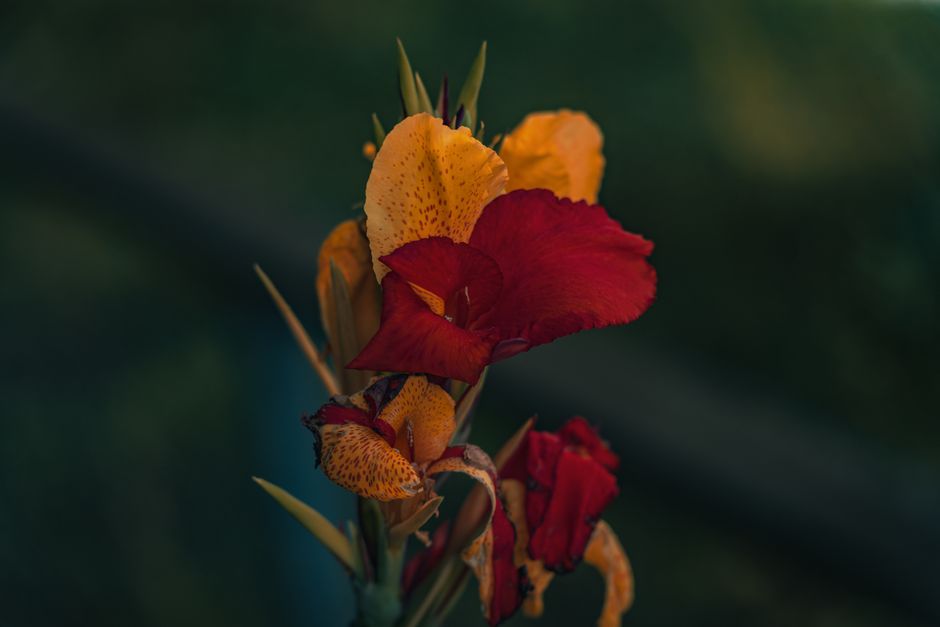
Canna lilies are among the easiest garden plants to multiply. You have two reliable paths: dividing the rhizomes in spring, or growing them from seed. Division is faster and guarantees an exact copy of the parent plant. Growing from seed takes longer and often produces different colors than the parent. For most home gardeners, division is the practical choice, but seed propagation is a fun project if you want to experiment.
When Is The Best Time To Divide Canna Lilies?
Divide canna lilies in early spring, just as new growth begins to show. In most climates, this means March or April. The soil should be workable, and the risk of hard frost should be past.
If you live in a cold region, you likely dig up your canna rhizomes in fall and store them indoors over winter. That stored time is also a good moment to divide them. You can split the rhizomes before replanting them in spring. The key is that the rhizomes are dormant or just waking up, not actively growing.
Dividing in fall right after digging is fine too, as long as you let the cut surfaces dry for a day before storing them. This drying step reduces the chance of rot during storage.
How To Propagate Canna Lilies By Division
Division is straightforward. You are separating the underground stem, called a rhizome, into pieces. Each piece needs at least one “eye” — a small bud or growing point — to produce a new plant.
Start by digging up the entire clump. Use a garden fork to loosen the soil around the plant, then lift it out. Shake off excess soil so you can see the structure clearly.
Look at the rhizomes. You will see thick, knobby stems connected in a cluster. Some pieces will have visible buds at the top. Cut the clump into sections with a clean, sharp knife. Each section should have at least one eye and a few roots attached. Larger sections with two or three eyes will give you bigger plants faster, but smaller single-eye pieces will still grow fine.
Discard any soft, mushy, or discolored parts. Healthy rhizome flesh is firm and pale yellow or white inside. If you cut into a piece and see brown or black tissue, that part is rotting and should be removed.
Let the cut pieces dry for a few hours before planting. This calluses the cut surface and helps prevent rot in the soil. Plant each piece about 4 to 6 inches deep, with the eyes facing upward. Space them 12 to 18 inches apart, depending on the variety. Water them in well.
Can You Grow Canna Lilies From Seed?
Yes, canna lilies grow readily from seed. But you need patience. Seeds take several weeks to germinate, and the resulting plants may take a full season to reach flowering size. Some seeds may not flower until their second year.
Seed-grown cannas are not true to the parent plant. If you collect seeds from a red canna, the seedlings may bloom pink, orange, yellow, or a mix of colors. This unpredictability is part of the appeal for breeders and curious gardeners. If you want a specific color or size, division is the only reliable method.
One important detail: many canna varieties are sterile hybrids. They produce few or no viable seeds. If your plant produces seed pods, they are worth trying. If it does not, division is your only option.




How To Germinate Canna Seeds Successfully
Canna seeds have a hard outer coat that blocks water. Without treatment, germination can take months or fail entirely. You need to break or weaken that coat first.
The most reliable method is scarification. Use a small file or a piece of sandpaper to nick the seed coat. Rub the seed on the file until you see a lighter colored spot underneath. Do not file so deep that you damage the white interior. A single small nick is enough.
After scarification, soak the seeds in warm water for 24 hours. Seeds that swell are ready to plant. Seeds that do not swell may need another round of nicking. Some gardeners also use a thermos method: pour hot — not boiling — water over the seeds and let them soak overnight. This works but is less consistent than filing.
Plant the treated seeds about a quarter-inch deep in a seed-starting mix. Keep the soil warm, around 70 to 75 degrees Fahrenheit. A heat mat helps. Germination typically takes 2 to 4 weeks, but some seeds take longer. Keep the soil consistently moist but not soggy.
Once seedlings have two or three true leaves, transplant them into individual pots. Grow them indoors until all frost danger has passed, then harden them off gradually before planting outside.
Rhizome Division Vs Seed: Which Is Better?
Choose division if you want results this season. A divided rhizome will send up shoots within weeks and can flower in the same summer. It is also the only way to preserve a specific cultivar’s exact color and form.
Choose seed if you want many plants at low cost, or if you enjoy surprises. A single seed pod can contain dozens of seeds. You can grow hundreds of plants from one pod, which is impractical with division.
There is a middle path. Some gardeners grow seeds to produce new varieties, then divide the best performers in subsequent years. This combines both methods over time.
For most gardeners, division is the better starting point. It is faster, simpler, and more predictable. Seed propagation is a worthwhile experiment, but do not rely on it if you need specific plants for a garden bed.
Common Mistakes When Propagating Canna Lilies
The most common mistake is dividing too late. If you wait until the plant is in full growth, the divided pieces may struggle because they lose roots while supporting active top growth. Divide while dormant or just emerging.
Another mistake is planting divided pieces too shallow. Cannas need depth to anchor and to protect the rhizome from temperature swings. Four to six inches is the standard depth. Planting at two inches leaves the rhizome exposed to sun and frost.
Overwatering newly planted divisions is also common. The cut surfaces need time to heal. Soggy soil invites rot. Water once at planting, then let the top inch of soil dry before watering again until you see active shoot growth.
With seeds, the main failure is skipping scarification. Untreated canna seeds can sit in soil for months without germinating. If your seeds have not sprouted after six weeks, check whether you nicked them properly.
How To Care For Newly Propagated Cannas
New divisions need consistent moisture but not constant wetness. Once shoots appear, water regularly. Cannas are heavy feeders. Apply a balanced fertilizer every few weeks during the growing season. A 10-10-10 formula works well.
Full sun is best. Cannas tolerate partial shade, but they flower less and grow taller and floppier in low light. Aim for at least six hours of direct sun daily.
Seedlings are more delicate than divisions. Protect them from strong wind and intense afternoon sun for the first week after transplanting. A temporary shade cloth or a sheltered spot helps them adjust.
Both divisions and seedlings benefit from a layer of mulch. Mulch retains soil moisture, moderates soil temperature, and suppresses weeds. Keep mulch a few inches away from the emerging shoots.
Frequently Asked Questions
How long does it take for canna seeds to germinate?
With scarification, most canna seeds germinate in 2 to 4 weeks. Without scarification, germination may take months or fail entirely.
Can you divide canna lilies in summer?
It is possible but risky. Dividing in summer sets the plant back and may reduce or eliminate flowering for that season. Early spring is the safest time.
Do canna lilies grown from seed flower the first year?
Some do, but many do not. Seed-grown cannas often need a full season of growth before they flower, and some wait until their second year.
How many eyes does a canna division need?
One eye is the minimum for a viable division. Two or three eyes produce a larger plant with more flowers in the first season.
