
Beautyberry is one of the easiest native shrubs to propagate, and you have two reliable paths: softwood cuttings taken in early summer, or seeds that need a cold period before they will sprout. Cuttings are faster and produce a clone of the parent plant, while seeds take longer but allow you to grow many plants at once. Both methods work well for home gardeners, and neither requires special equipment.
Why Propagate Beautyberry Instead Of Buying New Plants?
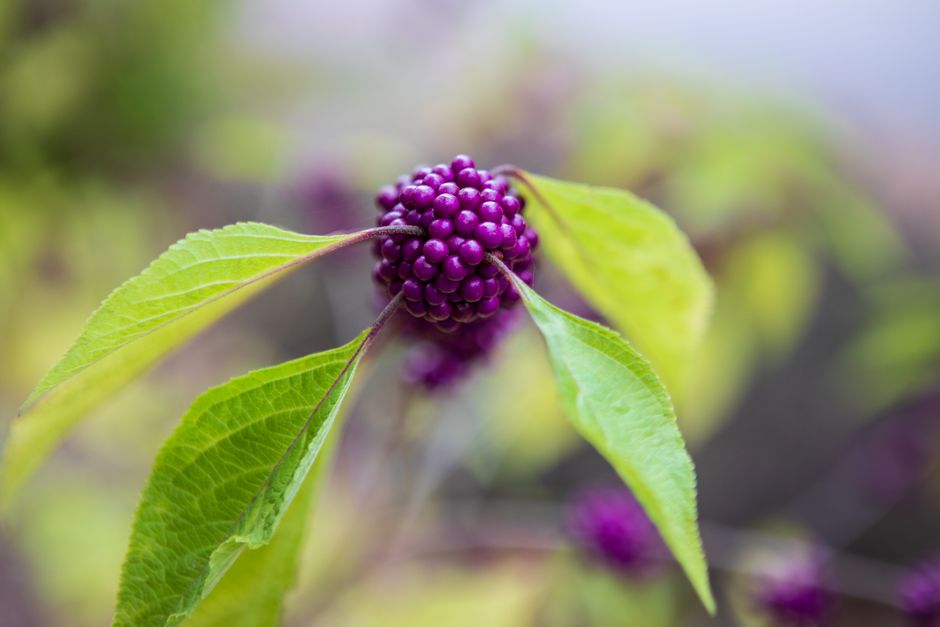
Beautyberry (Callicarpa americana) is a North American native shrub known for clusters of bright purple berries that appear in fall. It grows quickly, tolerates a range of soil types, and attracts birds. A single mature plant can produce hundreds of berries each season, which means you have a free source of seeds. Cuttings give you an identical copy of a plant you already like, which is useful if your parent plant has particularly good berry production or a nice shape.
Buying nursery plants costs money and sometimes brings home pests or diseases. Propagating your own avoids that risk entirely. It also lets you increase the number of plants in your landscape without spending anything beyond a little time and a few basic supplies.
When Should You Take Beautyberry Cuttings?
Timing matters more than almost anything else when taking cuttings. The best window is late spring to early summer, usually from late May through June in most of the United States. At this point the new growth is still flexible but has begun to firm up. This stage is called softwood, and it roots more reliably than either younger or older wood.
Take cuttings in the morning when the plant is fully hydrated. Use clean, sharp pruners to cut a 4 to 6 inch piece from the tip of a healthy stem. Make the cut just below a leaf node, which is the point where leaves attach to the stem. Remove the leaves from the lower half of the cutting, leaving two or three pairs at the top. If the remaining leaves are large, you can cut them in half to reduce water loss.
Keep the cuttings moist while you work. Put them in a plastic bag with a damp paper towel if you are not sticking them in potting mix right away. Cuttings that dry out even briefly often fail to root.
How To Root Beautyberry Cuttings In Soil
Rooting hormone is helpful but not strictly required. Beautyberry roots fairly easily on its own, but a powdered rooting hormone containing indole-3-butyric acid (IBA) can speed things up and improve success rates. Dip the cut end into the powder, tap off the excess, and insert the cutting into a pot filled with a well-draining mix.
A good mix is equal parts perlite and peat moss or a commercial seed-starting mix. Avoid heavy garden soil, which compacts and holds too much water. Insert the cutting about 2 inches deep, firm the mix around the stem, and water thoroughly.
Place the pot in bright, indirect light. Direct sun will cook the cutting before roots form. Cover the pot with a clear plastic bag or a plastic dome to create a humid environment. This reduces water loss from the leaves while the cutting has no roots to replace what it loses. Open the bag for a few minutes each day to allow air exchange and prevent mold.
Keep the mix consistently moist but not soggy. Roots typically form in 3 to 5 weeks. You will know rooting has occurred when you see new leaf growth or when you gently tug the cutting and feel resistance. Once rooted, remove the plastic cover gradually over a week to acclimate the plant to normal humidity.





Can You Root Beautyberry Cuttings In Water?
Yes, water rooting works for beautyberry, but it has a downside. Roots that form in water are different from roots that form in soil. They are more fragile and can break when you transplant them. Some gardeners still prefer this method because it lets you watch root development directly.
If you try water rooting, place the cutting in a glass of clean water with the lower node submerged. Change the water every 2 to 3 days to prevent bacterial growth. Put the glass in a spot with bright, indirect light. Roots usually appear within 2 to 4 weeks. When the roots reach about an inch long, transplant the cutting carefully into potting mix. Keep the soil consistently moist for the first week after transplanting to help the cutting adjust.
How To Propagate Beautyberry From Seed
Seed propagation takes longer but allows you to grow many plants at once. The key challenge is that beautyberry seeds require cold stratification. This means they need a period of cold, moist conditions before they will germinate. Without this cold period, germination rates are very low.
Collect berries in fall when they are fully colored and slightly soft. Remove the pulp by mashing the berries and rinsing them in a strainer. The seeds are small and brown. Let them dry for a few days on a paper towel, then store them in a sealed container in the refrigerator until you are ready to stratify them.
To stratify, mix the seeds with an equal volume of moist sand or peat moss. Place the mixture in a plastic bag or container and refrigerate it at 33 to 41 degrees Fahrenheit for 90 to 120 days. Check periodically to ensure the medium stays slightly moist but not wet.
After stratification, sow the seeds on the surface of a seed-starting mix and press them gently into the soil. They need light to germinate, so do not cover them deeply. A light dusting of fine vermiculite is acceptable. Keep the mix moist and place the tray in a warm location around 70 degrees Fahrenheit with bright, indirect light. Germination can be slow and uneven, often taking 3 to 8 weeks.
An alternative is to sow seeds directly outdoors in fall. The natural winter cold provides the stratification they need. Choose a spot with well-draining soil and scatter the seeds on the surface, pressing them lightly into the ground. Mark the area so you do not weed out the seedlings in spring.
How Long Until Propagated Plants Produce Berries?
Plants grown from cuttings typically flower and produce berries in their second year. They are essentially a mature clone of the parent plant, so they skip the juvenile stage that seedlings go through. Plants grown from seed take longer, usually 2 to 3 years before they flower and set fruit.
Beautyberry flowers on new wood, meaning the current season’s growth. This is why pruning in late winter or early spring does not reduce berry production. It also means that a healthy, well-watered plant in full sun will fruit more heavily than one in shade.
Common Mistakes When Propagating Beautyberry
The most common mistake is letting cuttings dry out. Softwood cuttings have no roots and lose water through their leaves rapidly. Even a short period of dryness can be fatal. Check your cuttings daily and mist them if the leaves look wilted.
Another mistake is using a potting mix that holds too much water. Beautyberry roots need oxygen as well as moisture. A mix that stays soggy will rot the stem before roots form. If you see the base of the cutting turning dark or soft, it is rotting. Remove it and start over with a drier mix.
For seeds, the most common mistake is skipping cold stratification. If you plant fresh seeds without a cold period, most will not germinate. Be patient with the stratification process and do not rush it. Seeds that have not received enough cold time will sit in the soil and eventually rot.
Frequently Asked Questions
What is the best time to take beautyberry cuttings?
Late spring to early summer, usually May through June, is the best time. The new growth is soft but firm enough to root reliably.
Do beautyberry seeds need cold stratification?
Yes, beautyberry seeds require 90 to 120 days of cold, moist conditions before they will germinate. You can achieve this in a refrigerator or by sowing seeds outdoors in fall.
How long does it take for beautyberry cuttings to root?
Roots typically form in 3 to 5 weeks under the right conditions. Keep the cuttings in bright, indirect light with high humidity and consistently moist soil.
Can you propagate beautyberry from hardwood cuttings?
Hardwood cuttings taken in winter are possible but less reliable than softwood cuttings. Success rates are lower, and rooting takes longer, so most gardeners prefer softwood cuttings.
