
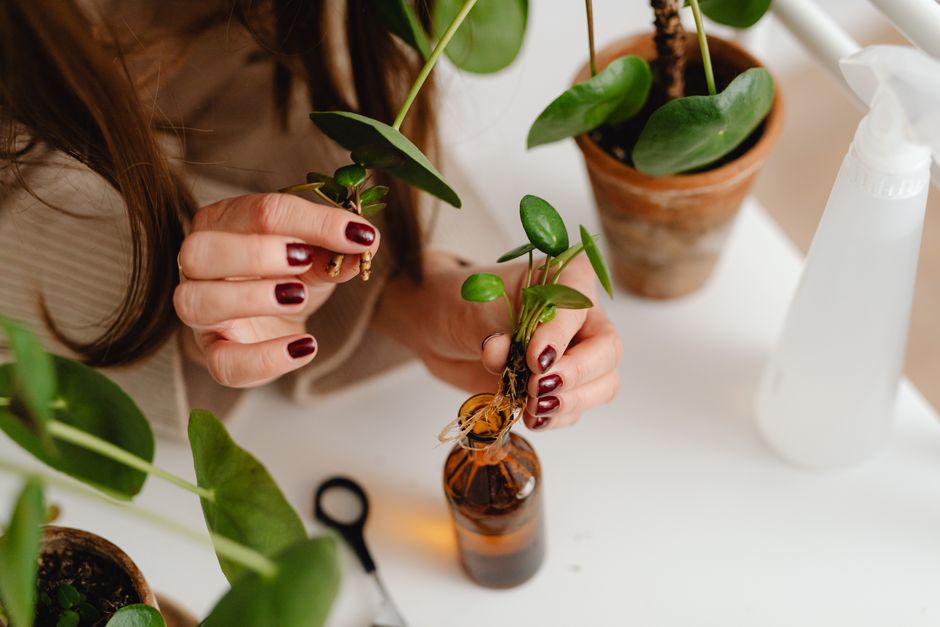
Silver dollar eucalyptus (Eucalyptus cinerea) is propagated at home by taking stem cuttings from new growth in spring or early summer. You root them in a gritty, well-draining mix with a humidity cover, or you grow them from seed — though seed-grown plants often vary from the parent. Cuttings are the reliable way to get a plant that matches the one you started with.
That short answer hides a few details that decide whether your cuttings root or rot. Eucalyptus is not the easiest plant to propagate from cuttings. It has a reputation for being finicky, and for good reason. Understanding why helps you give the cuttings what they actually need.
Why Is Silver Dollar Eucalyptus Harder To Propagate Than Other Plants?
Eucalyptus cuttings root less readily than many common garden shrubs, and the reason comes down to plant hormones and timing. When a stem is actively growing, it carries higher levels of natural rooting hormones than older, woody wood. Take cuttings from the wrong part of the plant and you are fighting biology.
There is a second issue. Eucalyptus leaves contain aromatic oils, and those oils can suppress root formation and encourage rot in a closed, humid environment. This is one reason cuttings are usually stripped of most of their lower leaves before planting. It is also why the rooting mix needs to drain sharply rather than hold water.
Some species and cultivars root more easily than others. Silver dollar eucalyptus sits in the middle — possible from cuttings, but not forgiving of mistakes. Expect a lower success rate than you would get with something like a geranium or a coleus, and take more cuttings than you need.
One clarification worth making: cut eucalyptus stems sold for floral arrangements are usually harvested for display, not propagation. They are often older, woody stems, and they may have been treated or stored in ways that reduce viability. A fresh cutting from a growing plant is a far better starting point.
How Do You Take A Silver Dollar Eucalyptus Cutting?
Take cuttings from healthy new growth in spring or early summer, when the plant is actively pushing out shoots. Choose a stem that is soft but not floppy — it should bend rather than snap cleanly.
- Use clean, sharp pruners. Wipe the blades with rubbing alcohol before cutting.
- Cut a stem roughly the length of your hand, making the cut just below a leaf node.
- Strip the leaves from the lower half to two-thirds of the stem.
- Make the cut at a slight angle so water and the rooting medium contact more of the stem surface.
- Take several cuttings, since not all will root.
The node — the point where a leaf attaches to the stem — is where root tissue most readily forms. Leaving a node near the base of the cutting, with no leaves attached to it, gives roots a place to emerge.
Some growers dip the cut end in a rooting hormone powder or gel before planting. The evidence for rooting hormones on eucalyptus specifically is limited, and results vary by species. It is common practice in nurseries, but it is not a guarantee, and it does not fix a cutting taken at the wrong time or from the wrong wood.
What Is The Best Way To Root Silver Dollar Eucalyptus Cuttings?
Root cuttings in a gritty, free-draining medium and keep humidity high without letting the stem sit in wet soil. A mix of potting soil with a large proportion of perlite or coarse sand works well. The goal is moisture that drains away rather than pools.
Here is the practical sequence:
- Fill a small pot with the gritty mix and water it so it is moist but not saturated.
- Insert the cutting so the lowest node is just below the surface.
- Firm the medium gently around the stem so it stands upright.
- Cover with a clear plastic bag or place in a propagator to hold in humidity.
- Keep in bright, indirect light — not harsh direct sun, which can overheat a covered cutting.
- Vent the cover briefly every few days to let fresh air in and reduce rot risk.
Warmth helps. A soil temperature in the range typical of a warm room, or slightly above, supports root formation in most woody plants. Avoid cold windowsills.
Be patient. Eucalyptus cuttings can take several weeks to root, and some take longer. Do not tug at the stem to check. Watch instead for new growth at the top, which is a better sign that roots have formed. If the cutting blackens or the stem turns mushy, it has rotted — remove it and start again with fresh material.
Can You Propagate Silver Dollar Eucalyptus From Seed?
Yes, and from seed it is often more straightforward than cuttings. Eucalyptus seed germinates reasonably well when fresh and kept warm and moist. The catch is genetic variation.
Seed-grown eucalyptus does not reliably match the parent plant. Leaf shape, growth habit, and hardiness can all differ. If you want a plant that looks exactly like the one you have, cuttings are the way. If you simply want a silver dollar eucalyptus and are not concerned about exact similarity, seed is a practical route.
Fresh seed matters. Eucalyptus seed loses viability over time, so older packets germinate poorly. Sow on the surface of a moist seed-raising mix, since many eucalyptus seeds need light to germinate, and keep warm. Germination timing varies by species and conditions.
What Conditions Do New Eucalyptus Plants Need?
Once roots have formed, the young plant needs to adjust gradually to normal conditions. This transition is where many home-propagated plants fail.
Move the rooted cutting out of its humid cover slowly over a week or so, opening the cover more each day. This hardens the plant off and reduces the shock of suddenly drier air.
Silver dollar eucalyptus wants full sun and excellent drainage once established. It dislikes wet feet, and waterlogged soil is a common cause of decline. In containers, use a free-draining mix and let the top of the soil dry somewhat between waterings.
Be realistic about climate. Silver dollar eucalyptus is not reliably hardy in cold winters, and it is often grown as an annual or in a container that can be moved indoors in cold weather. Check what your local climate supports before investing effort in a plant that will not survive the season outdoors.
What Are The Most Common Mistakes When Propagating Silver Dollar Eucalyptus?
Most failures trace back to a small number of avoidable errors. The most common is taking cuttings at the wrong time — either from hard, old wood or during a season when the plant is not actively growing.
Overwatering and poor drainage come next. A cutting kept in a soggy, sealed environment is prone to rot, and eucalyptus is especially vulnerable given its oils and soft tissue. Humidity should be high in the air around the cutting, not in the soil.
Leaving too many leaves on the cutting is another frequent problem. Extra leaves lose water the cutting cannot replace before roots form, and they contribute oils that can hinder rooting. Strip more than you think you need to.
Finally, expecting quick results. Eucalyptus takes time, and impatience leads people to check, disturb, or discard cuttings that were on their way to rooting. Give them the conditions, then leave them alone.
Frequently Asked Questions
Can you propagate silver dollar eucalyptus from a cutting in water?
Rooting eucalyptus cuttings in water is possible but unreliable, and the stems often rot before roots form. A gritty, well-draining medium with high humidity gives better odds.
What is the best time of year to take silver dollar eucalyptus cuttings?
Take cuttings in spring or early summer when the plant is actively producing new growth. Soft, fresh stems root more readily than hard, older wood.
How long do silver dollar eucalyptus cuttings take to root?
Rooting can take several weeks, and timing varies with warmth, humidity, and the cutting itself. New top growth is a more reliable sign than checking the stem.
Can I propagate silver dollar eucalyptus from seed instead?
Yes, seed is often easier to germinate than cuttings are to root. Seed-grown plants may not match the parent, so use cuttings if you want an identical plant.
