
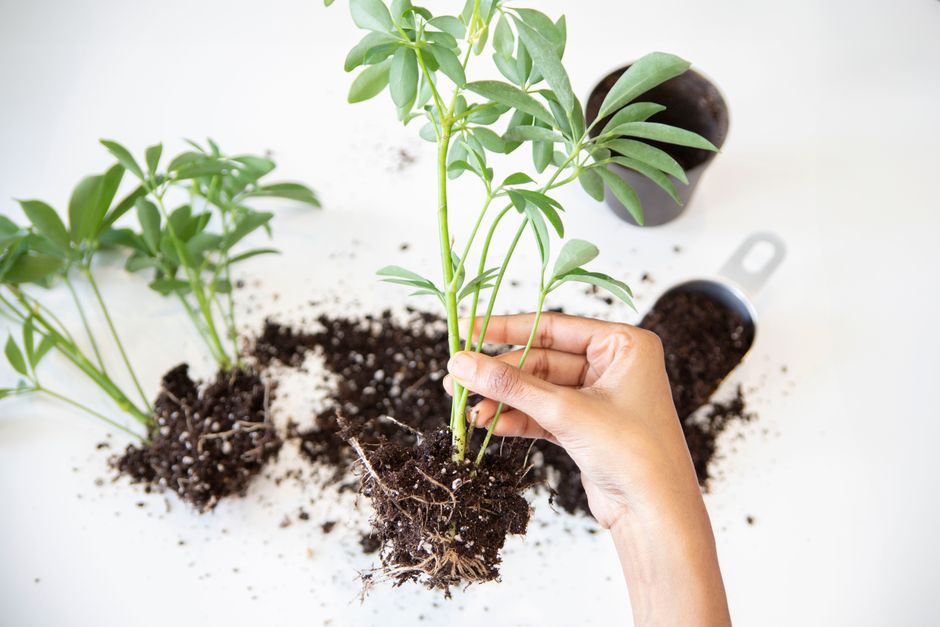
Water propagation works, but it is not the same as rooting a cutting in soil. Many plants will form roots in a glass of water because the cut stem can take up oxygen and water directly. The catch is that water roots are built for water, not soil, so they are often weaker and can struggle after you move the plant. To promote root growth on cuttings in water, focus on a few things that actually matter: a clean cut just below a node, a healthy leafy stem, fresh room-temperature water, bright indirect light, and a node kept below the surface. Change the water regularly, keep the cutting out of direct sun, and be patient. Most easy-to-root plants start showing roots within a few weeks, though timing varies widely by species.
Why Do Some Cuttings Root in Water and Others Just Rot?
The difference usually comes down to the plant and the condition of the cutting, not luck. When you cut a stem, the plant has to form a new root system from cells near the cut. In water, that process depends on the stem staying alive long enough to grow those roots.
A cutting rots when bacteria and fungi take over the exposed tissue faster than the plant can defend itself. Stems that are soft, bruised, or taken from a sick plant rot quickly. So do cuttings with too many leaves, because the leaves keep losing water the stem cannot replace fast enough.
Some plants root easily in water because their stems naturally produce root tissue readily. Pothos, philodendron, and many trailing houseplants fall into this group. Others, like most woody shrubs and trees, root poorly or not at all in plain water because their stems are built differently and need a rooting medium with more oxygen and structure.
There is one detail many people miss. Roots do not grow from just anywhere on the stem. They emerge from nodes — the points where leaves or buds attach. A cutting with no node below the water line has no place to grow roots from, no matter how healthy it looks.
How To Promote Root Growth On Cuttings In Water: The Steps That Matter
Good results come from a small number of habits done consistently. None of them are complicated, but skipping them is why many cuttings fail.
- Start with a healthy stem. Take cuttings from a plant that is actively growing, not one that is struggling or dormant.
- Cut just below a node. Use a clean, sharp tool. A clean cut heals faster than a crushed one.
- Remove lower leaves. Any leaf sitting underwater will rot and foul the water.
- Keep at least one node submerged. This is where roots form.
- Use room-temperature water. Very cold water can shock the cutting.
- Place in bright, indirect light. Direct sun can overheat the water and stress the cutting.
- Change the water every few days. Fresh water keeps oxygen levels up and limits bacterial growth.
The single most useful habit is changing the water. Stagnant water loses oxygen and builds up microbes, which is the main reason cuttings rot instead of rooting. Fresh water does not add nutrients — it mainly keeps the environment clean and oxygenated.
Does Changing the Water Actually Help Roots Grow?
Yes, and the reason is oxygen. Roots need oxygen to grow, and water only holds a limited amount. As water sits, oxygen levels drop and bacteria multiply. Changing the water restores oxygen and removes the microbes that cause rot.
How often? Every few days is a reasonable standard. There is no single official number, and it varies with temperature — warmer water supports more bacterial growth, so it may need changing more often. If the water looks cloudy or starts to smell, change it right away.
When you change the water, you can gently rinse the cutting and the container. Some people add a tiny amount of a diluted liquid fertilizer once roots appear. Be careful here. Too much fertilizer can burn new roots. The evidence on exactly when and how much to feed water cuttings is limited, and many plants root fine with no added nutrients at all. If you do feed, use a very weak dilution and only after roots have formed.





Should You Use Rooting Hormone in Water?
Rooting hormone is more useful in soil and other solid media than in water. These products typically contain synthetic versions of a plant hormone that encourages root formation, and they work best when they stay in contact with the cut stem in a medium that holds them in place.
In plain water, the hormone largely washes off the cutting. That does not mean it does nothing, but its benefit in water is much less clear than in soil. If you want to use rooting hormone, it tends to make more sense when you root directly in a potting mix or another medium.
What matters more than any product is the condition of the cutting and the cleanliness of the water. A healthy cutting in fresh water will usually outperform a poor cutting in treated water.
How Long Until Roots Appear?
Timing depends almost entirely on the species. Fast-rooting plants like pothos and many common houseplants can show small roots within one to a few weeks. Slower plants can take considerably longer, and some never root well in water at all.
Rather than watching the calendar, watch the cutting. New root tips usually appear as small white or pale bumps near a node, then lengthen. If weeks pass with no change and the stem is turning soft or brown, the cutting is likely failing and should be replaced.
Temperature plays a role too. Most houseplants root best in the same range that feels comfortable to people — roughly room temperature. Very cool water slows the process.
When Should You Move a Water Cutting to Soil?
Move the cutting when the roots are a few inches long and have started to branch. Roots that have grown long and thin in water often break during transplanting, so earlier is generally safer than later.
Expect some adjustment. Water roots are different from soil roots. They are often thinner and less equipped to pull water from soil, so a cutting moved straight into dry potting mix can wilt. To reduce shock, keep the soil consistently moist at first and ease the plant into its new conditions over a week or two.
Here is the part many guides skip. Moving from water to soil is often the hardest step, and some cuttings do not survive it even when the roots looked healthy. If a plant roots easily, you may get better long-term results by rooting it directly in soil from the start. Water propagation is convenient and lets you watch the roots form, but it is not always the strongest path to a healthy plant.
What Causes Water Cuttings to Fail?
Most failures trace back to a few avoidable problems. Recognizing them early can save a cutting.
- No node underwater. Roots form at nodes, so a cutting with only stem submerged cannot root.
- Leaves left underwater. They rot and cloud the water.
- Stagnant water. Low oxygen and high bacteria lead to rot.
- Direct sunlight. It overheats the water and stresses the cutting.
- Too many leaves. The cutting loses water faster than it can replace it.
- Dirty tools or containers. They introduce the microbes that cause rot.
If a cutting turns mushy, brown, or smelly, it has rotted. Cut back to healthy tissue above the rot and try again with fresh water and a clean container. Once rot spreads through the stem, that cutting usually cannot be saved.
Which Plants Root Well in Water?
Many common houseplants root readily in water, especially those with soft, flexible stems. This includes pothos, philodendron, and several other popular trailing plants. Herbs like mint and basil also root easily in water.
Plants with woody or thick stems often root poorly in water and do better in soil or another medium. Succulents and cacti are a separate case — they are prone to rot in water and are usually rooted in dry, well-draining material instead.
If you are unsure about a specific plant, the safest approach is to try a small cutting first. If it roots, you have your answer. If it rots, the plant likely prefers a different method.
Frequently Asked Questions
How often should I change the water for cuttings?
Change it every few days to keep oxygen levels up and bacteria down. Change it sooner if the water looks cloudy or smells.
Do cuttings need sunlight to grow roots in water?
They need bright, indirect light, not direct sun. Direct sun can overheat the water and stress the cutting.
Can I add fertilizer to water cuttings?
You can add a very weak dilution after roots appear, but many plants root fine without it. Too much can burn new roots.
Why is my cutting not growing roots?
The most common reasons are no node underwater, stagnant water, or a stem that has started to rot. A clean cut with a submerged node in fresh water is the fix.
