
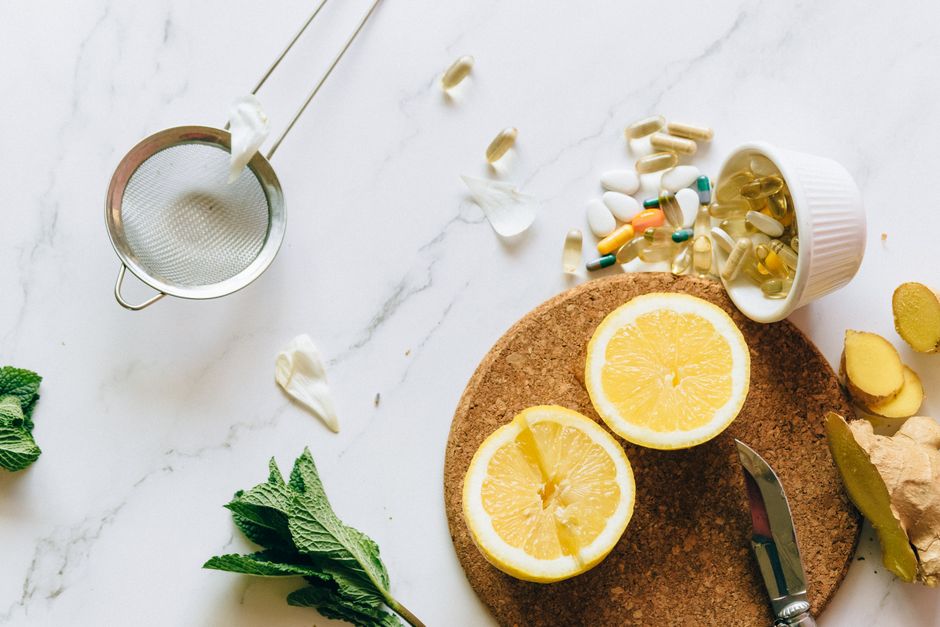
Your liver does more than 500 jobs in your body. It filters toxins, stores energy, makes proteins, and helps digest fat. Keeping it healthy comes down to a few proven habits: eat a balanced diet, move your body regularly, limit alcohol, maintain a healthy weight, and avoid unnecessary medications and supplements. There is no single food or pill that “detoxes” the liver. The organ cleans itself. Your job is to stop overloading it and give it what it needs to work well.
What Does the Liver Actually Do?
The liver is the body’s largest internal organ, weighing about 3 pounds in a typical adult. It sits in the upper right part of your belly, tucked under your ribs.
Every drop of blood leaving your stomach and intestines passes through the liver first. That means the liver processes nutrients, medications, alcohol, and anything else you swallow before the rest of your body sees it.
Its main jobs include:
- Breaking down fats and producing bile to help digest them
- Storing sugar as glycogen and releasing it when your blood sugar drops
- Making proteins that help blood clot and carry substances through your body
- Filtering and breaking down drugs, alcohol, and other chemicals
- Storing vitamins and minerals, including iron and vitamins A, D, and B12
One detail people often miss: the liver can regenerate. If part of it is damaged or surgically removed, healthy tissue can grow back. This is why early liver damage is often reversible when the cause is removed. It is also why liver disease can stay silent for years — the organ keeps working even as scar tissue builds up.
How To Promote Liver Health Diet Exercise More?
Diet and exercise are the two most powerful tools you control. They work best together, and the evidence for both is strong.
Most liver disease in the US is tied to excess fat in the liver, alcohol, or viral hepatitis. Nonalcoholic fatty liver disease — now often called metabolic dysfunction-associated steatotic liver disease — affects a large share of American adults. Weight loss is the single most effective known treatment for it.
Research consistently shows that losing weight reduces liver fat and can improve or reverse early liver inflammation. The effect holds when weight loss comes from diet, exercise, or both. Even modest weight loss helps. Larger losses tend to produce bigger improvements, but any reduction in body weight is a meaningful start.
For diet, the pattern that shows the most benefit is a Mediterranean-style approach. That means plenty of vegetables, fruit, whole grains, beans, nuts, olive oil, and fish, with less red meat and processed food. It is not a strict regimen. It is a way of eating that has been studied for decades.
For exercise, both aerobic activity and strength training help. Some studies suggest that regular physical activity reduces liver fat even without much weight loss. That is a useful point — movement has benefits beyond the number on the scale.
Which Foods Help and Which Hurt?
No single food protects the liver. The overall pattern of your diet matters far more than any one item. Still, some choices are clearly better than others.
Foods that support liver health in studies include:
- Vegetables and fruit, especially leafy greens and berries
- Whole grains like oats, brown rice, and whole wheat
- Beans, lentils, and other legumes
- Nuts and seeds
- Fatty fish such as salmon and sardines
- Olive oil
- Coffee — regular or decaf — is linked in several studies to lower risk of liver scarring and liver cancer
Foods and drinks that put stress on the liver include:
- Sugar-sweetened beverages, which are strongly linked to liver fat buildup
- Heavily processed foods high in refined carbohydrates
- Excess alcohol
- Large amounts of saturated fat from processed meats
One clarification worth knowing: fructose in whole fruit is not the same as the added sugar in soda. Whole fruit comes with fiber and water, which slow absorption. The evidence linking fruit to liver harm is weak. The evidence linking sugary drinks is much stronger.




Does Exercise Help the Liver Even Without Weight Loss?
Yes, to some degree. Several studies suggest physical activity reduces liver fat and improves liver enzymes even when body weight stays roughly the same.
The mechanism is not fully understood. Exercise appears to change how the liver handles fat and improves insulin sensitivity, which matters because insulin resistance drives fat buildup in the liver. Muscle activity also uses up glucose and fat that would otherwise circulate to the liver.
General guidelines recommend at least 150 minutes of moderate activity per week for adults, plus muscle-strengthening exercise on two or more days. This is the standard public health recommendation, not a liver-specific one. For liver health specifically, no single exercise program has been proven best. Consistency matters more than intensity.
If you have advanced liver disease, talk to your doctor before starting a new exercise routine. Some people with cirrhosis need adjusted guidance. For most people with early liver changes, regular activity is considered safe and beneficial.
How Does Alcohol Affect the Liver?
Alcohol is broken down almost entirely by the liver. The process produces compounds that damage liver cells, especially when alcohol is consumed in large amounts or often.
The risk rises with the amount and frequency of drinking. Heavy drinking over years can lead to fat buildup, inflammation, and eventually scarring called cirrhosis. Not everyone who drinks heavily develops severe liver disease, which suggests genetics and other factors play a role. But the relationship between heavy alcohol use and liver damage is well established.
For people with any form of liver disease, avoiding alcohol entirely is the safest approach. For people without liver disease, national guidelines define moderate drinking as up to one drink per day for women and up to two per day for men. These are general limits, not a guarantee of safety. No amount of alcohol has been proven protective for the liver.
What About Supplements and “Liver Detox” Products?
Most “liver detox” products have no evidence behind them. The liver does not need help detoxifying. It already does that continuously, and adding unproven supplements can sometimes cause harm.
Herbal supplements are a recognized cause of drug-induced liver injury in the US. Some products marketed for weight loss, bodybuilding, or “cleansing” have been linked to liver damage. The FDA does not review supplements for safety before they are sold, so a product on the shelf is not proof it is safe.
Certain supplements do have legitimate medical uses — for example, specific vitamins in people with deficiencies. But these should be guided by a clinician, not by marketing. If you are considering any supplement for liver health, ask your doctor whether it has evidence and whether it could interact with your medications.
When Should You See a Doctor About Your Liver?
Liver disease often has no symptoms until damage is advanced. That is why screening matters for people at higher risk.
You may be at higher risk if you have obesity, type 2 diabetes, high blood pressure, high cholesterol, or a history of heavy alcohol use. Viral hepatitis B or C, certain medications, and some genetic conditions also raise risk.
Possible signs of advanced liver problems include fatigue that does not improve with rest, yellowing of the skin or eyes, swelling in the belly or legs, easy bruising, and confusion. These symptoms have many causes, so they do not confirm liver disease on their own. They do warrant a medical evaluation.
Routine blood tests can check liver enzymes, but normal results do not rule out liver disease. Some people with significant liver fat or early scarring have normal enzyme levels. Imaging and other tests may be needed. If you have risk factors, ask your doctor whether screening makes sense for you.
Frequently Asked Questions
Can you detox your liver naturally?
No product or diet has been shown to “detox” the liver, because the liver already removes waste on its own. Supporting it means eating well, limiting alcohol, and staying active.
What is the fastest way to reduce liver fat?
Gradual weight loss through diet and regular exercise is the most evidence-supported way to reduce liver fat. Rapid weight loss or crash diets are not recommended and can sometimes worsen liver inflammation.
Is coffee good for your liver?
Several studies link regular coffee drinking to lower risk of liver scarring and liver cancer. The evidence is observational, so it does not prove cause and effect, but coffee is generally considered safe for most adults.
How much exercise do you need for liver health?
General guidelines recommend at least 150 minutes of moderate activity per week. No specific exercise amount has been proven best for liver health, so consistency matters more than hitting an exact target.
