
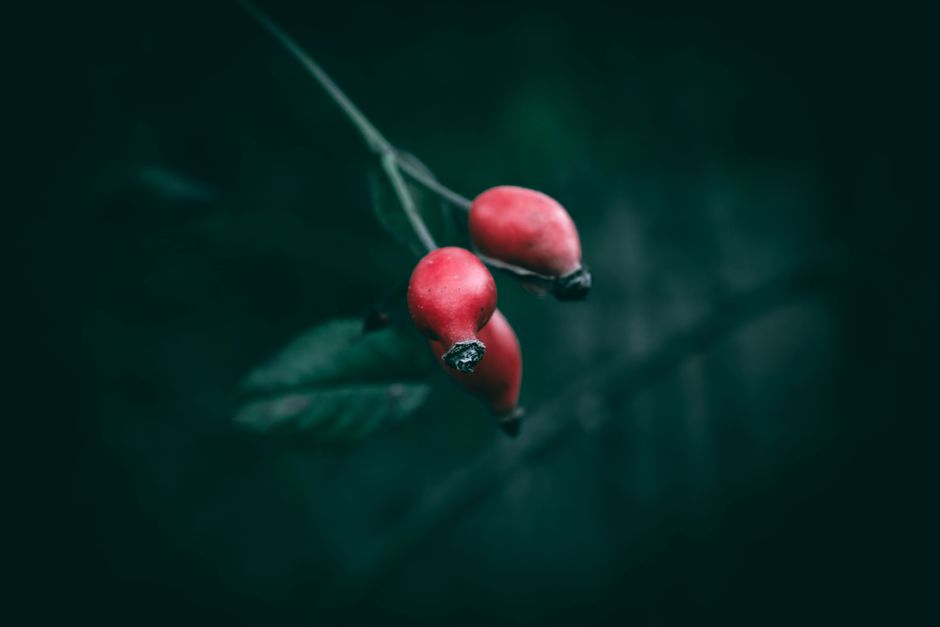
Rose hips are the round, orange-to-red fruit that forms after rose flowers fade. To process them from harvest to storage, pick fully ripe hips after the first light frost, trim off both ends, halve them, scrape out the hairy seeds, dry the shells until leathery, and store them in airtight containers away from light and heat. The whole job takes a few hours of hands-on time plus several days of drying.
The part most people get wrong is the seeds. Inside every hip is a cluster of tiny hairs that itch and irritate. Skip them and you ruin the batch. Get them out and you have a tart, useful ingredient you can keep for a year or more.
When Should You Pick Rose Hips?
Rose hips are ready when they are fully colored and slightly soft to the touch. Depending on where you live and which rose species you have, that window runs from late summer into autumn. Hips that are still orange or firm are not ready. They will be sour and low in the compounds that make them worth the effort.
Many foragers wait until after the first light frost. Frost softens the fruit and is often said to improve flavor. That is a traditional practice rather than a strict rule. Hips picked before frost are perfectly usable. The real risk is waiting too long. Once hips turn dark, shrivel, or go mushy, they are past their best and more likely to carry mold.
Look for hips that are bright, plump, and free of brown spots or soft dark patches. A hip with a small hole may contain a larva. Discard those. Pick with clean hands and drop the fruit into a shallow basket or paper bag rather than a sealed plastic container, which traps moisture and speeds spoilage.
The species matters less than ripeness. Rugosa roses tend to produce large, fleshy hips. Dog roses and many wild species produce smaller ones. Larger hips are easier to clean, but small ones work fine.
What Equipment Do You Need to Process Rose Hips?
You do not need special tools, but a few items make the work faster and safer. The hairs inside rose hips are the main hazard. They are fine enough to lodge in skin and cause real irritation, and they should never be eaten.
- Gloves. Thin kitchen gloves or garden gloves protect your hands from the hairs and from thorns.
- A sharp paring knife or small kitchen shears.
- A cutting board.
- A bowl of cold water for rinsing.
- A dehydrator, oven, or drying rack with good airflow.
- Airtight glass jars for storage.
If you plan to make jam or syrup, add a heavy pot and a fine sieve or food mill. If you only want dried shells for tea, the list above is enough.
How Do You Clean and Prepare Rose Hips?
Start by rinsing the hips in cold water and picking out any leaves, stems, or damaged fruit. Do not soak them. A quick rinse is enough. Soaking lets water seep into the fruit and slows drying later.
Next, trim both ends of each hip. The stem end has a small nub, and the blossom end often retains dried sepals. Cut them off with a sharp knife. Then slice each hip in half lengthwise.
Now the important part. Using the tip of a spoon, a small knife, or your fingernail, scrape out the seeds and the hairs that surround them. This inner material is sometimes called the itch hairs, and it is the reason rose hips have a reputation for being unpleasant to handle. Work over a bowl or the trash, and keep your gloves on.
What you keep is the outer shell, or flesh. That is where most of the useful content sits. Rinse the cleaned shells once more and pat them dry.
Some people skip seed removal and dry whole hips, then grind everything together. This is a common shortcut, but the hairs remain in the final product. For tea that gets strained, that may be acceptable. For anything you eat directly, remove the hairs.
How Should You Dry Rose Hips?
Drying is the step that decides whether your hips keep for months or spoil in weeks. The goal is to remove enough moisture that mold cannot grow. Properly dried hips feel leathery and slightly brittle, not soft or sticky.
A food dehydrator set to a low temperature is the most reliable method. Spread the cleaned shells in a single layer with space between them. Depending on the size of the pieces and the humidity in your home, drying typically takes several hours. Check periodically and rotate trays if your machine does not have a fan.
An oven on its lowest setting works too, but you must keep the door slightly open to let moisture escape. Without that airflow, you are steaming the hips, not drying them. This method is less predictable and easier to overdo.
Air drying works in dry climates. Thread the shells on clean string or lay them on a screen in a warm, well-ventilated spot out of direct sun. This can take days to a couple of weeks. In humid regions, air drying often fails because the hips never get dry enough.
The test is simple. A fully dried hip shell should snap or crack when bent, not bend like leather. If it still flexes, keep drying.
How Do You Store Dried Rose Hips?
Once the shells are fully dry, let them cool completely before packing. Warm hips create condensation inside the container, which invites mold. This is a small step that people skip, and it is one of the most common causes of spoiled batches.
Store dried hips in airtight glass jars or metal tins. Keep them in a cool, dark, dry place, away from the stove, the dishwasher, and direct sunlight. Light and heat both degrade the vitamin C that rose hips are known for.
Whole dried shells keep longer than crushed or powdered ones because less surface area is exposed to air. If you want powder, grind small amounts as you need them rather than processing the whole batch at once.
Under good conditions, properly dried rose hips can keep for up to about a year. Check them every few months. If you see mold, smell mustiness, or find the texture has gone soft, discard the batch. Do not try to salvage moldy hips by re-drying them.
Can You Freeze or Cook Rose Hips Instead?
Yes. Freezing and cooking are both valid alternatives to drying, and each has trade-offs.
To freeze, clean and halve the hips, remove the seeds and hairs, then spread the shells on a tray and freeze until solid. Transfer them to freezer bags or containers. Frozen hips hold up well for cooking and for making syrup or jam. They will be soft when thawed, so they are not ideal if you wanted crisp dried pieces for tea.
Cooking is the route to jam, jelly, syrup, and sauce. Simmer the cleaned hips in water until soft, then mash and strain through a fine sieve or food mill to remove any remaining hairs and seeds. The strained liquid becomes your base. From there you follow a standard jam or syrup method.
One caution. Rose hips are high in vitamin C, and heat degrades it. Cooked products will have less vitamin C than the raw fruit. That does not make them worthless, but it is worth knowing if vitamin C is your main reason for using them.
What Should You Know Before Eating Rose Hips?
Rose hips are generally recognized as safe as a food, and they have a long history of use in teas, jams, and syrups. The main practical risk is the hairs, which cause irritation if eaten or handled carelessly. Removing them solves that problem.
A few points deserve honesty. Rose hips contain vitamin C, but the exact amount varies widely by species, growing conditions, and how the fruit is processed. Any specific number you see quoted should be treated with caution. Drying and cooking both reduce it.
Rose hips can interact with some medications, including blood thinners, because of their vitamin K content. If you take a blood thinner or any prescription medication, talk to your doctor or pharmacist before adding rose hips to your routine. This is not a reason to avoid them entirely. It is a reason to check first.
Do not eat hips from roses that may have been sprayed with pesticides or grown along roadsides with heavy traffic. If you are not certain a plant is a rose, do not harvest it. Some wild fruits look similar and are not edible.
Frequently Asked Questions
Do you have to remove the seeds from rose hips?
For anything you eat directly, yes. The seeds are surrounded by fine hairs that irritate the mouth and throat, so scrape them out before drying or cooking. If you only make strained tea, some people skip this step, but removing them is safer.
How do you know when rose hips are fully dry?
A fully dried hip shell cracks or snaps when you bend it. If it still bends like leather, it needs more drying time.
How long do dried rose hips last?
Stored in an airtight container in a cool, dark, dry place, properly dried rose hips can keep for up to about a year. Check them every few months and discard any batch that shows mold or has gone soft.
Can you dry rose hips in the oven?
Yes, on the lowest setting with the door slightly open so moisture can escape. Oven drying is less predictable than a dehydrator and easier to overdo, so check the hips often.
