
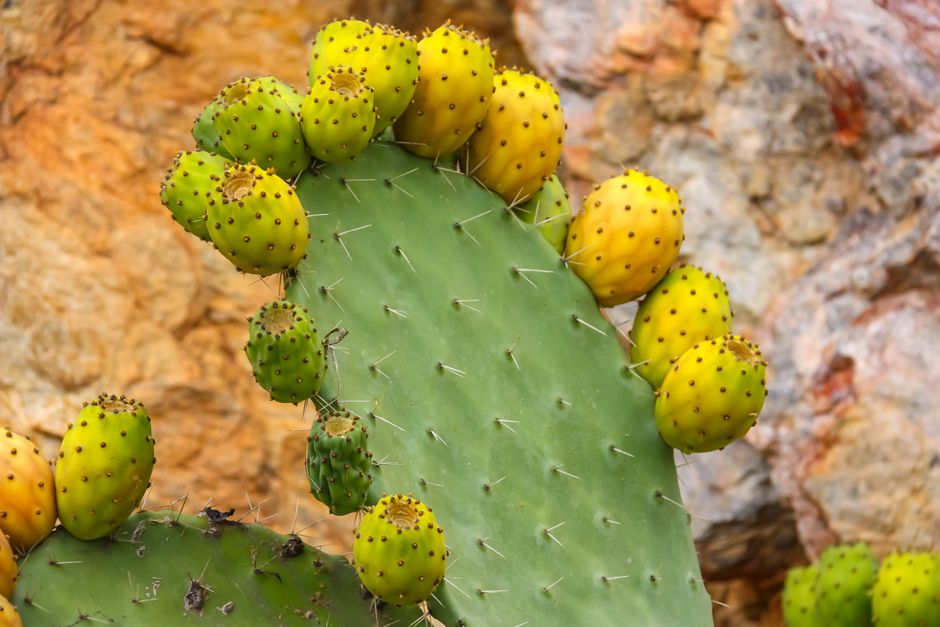
Prickly pear peels are the part most people throw away, but they can be juiced into a tart, brightly colored drink. To process prickly pear peel juice, wash and peel ripe fruit with gloves, simmer the peels in water, strain the liquid, then either drink it fresh within a few days or freeze it for longer storage. The steps below cover each stage in detail, along with the safety points that matter most.
The prickly pear is the fruit of Opuntia cactus species, widely eaten in Mexico, the American Southwest, and the Mediterranean. The flesh is sweet and commonly juiced. The peel is thicker, more fibrous, and more tart. It contains pigments called betalains, the same family of compounds responsible for the color of beets. Some people juice the peels to avoid waste. Others do it because the peel carries a concentrated dose of those pigments and fiber.
What follows is a practical, food-safety-first guide. It is not medical advice, and it is not a claim that peel juice treats or prevents any disease.
How Do You Prepare Prickly Pear Peels Safely?
Safety starts with the spines. Prickly pear fruit and pads carry two kinds of spines: large obvious ones and tiny hair-like ones called glochids. Glochids are the real problem. They detach easily, lodge in skin, and are painful and hard to remove.
Wear thick gloves — leather or heavy rubber, not thin latex. Hold the fruit with tongs if you can. Rinse the whole fruit under cold running water while still gloved. Some people also roll the fruit on a towel or hold it over a flame briefly to singe off glochids, a technique used in Mexican kitchens. If you do this, keep the fruit moving and do not char the skin.
Once the fruit is clean, cut off both ends and make a lengthwise slit. Peel the skin away from the flesh. Set the peels aside in a bowl. Discard any peel with soft brown spots, mold, or a fermented smell.
Wash your hands and any tools that touched the raw fruit. Glochids can transfer to cutting boards and cloths.
How To Process Prickly Pear Peel Juice And Store It Step By Step
This is the core method. It works for a small batch on a stovetop.
- Step 1 — Collect peels. Use peels from fully ripe fruit. Ripe prickly pears give slightly to gentle pressure and have deep, even color.
- Step 2 — Rinse again. Rinse the collected peels under cold water to remove any remaining grit or glochids.
- Step 3 — Simmer. Place peels in a pot and cover with water. Bring to a gentle simmer, not a rolling boil. Simmer until the peels soften and the water takes on color, generally 15 to 30 minutes depending on peel thickness.
- Step 4 — Cool. Remove from heat and let the pot cool until it is safe to handle.
- Step 5 — Strain. Pour through a fine-mesh strainer or cheesecloth into a clean container. Press gently on the solids with a spoon to release more liquid. Do not press hard — that pulls in bitter compounds and fine pulp.
- Step 6 — Taste and adjust. Peel juice is tart and can be mildly bitter. Dilute with water or add a sweetener if you prefer. Some people blend in a little of the fruit flesh for balance.
- Step 7 — Chill or freeze. Refrigerate what you will drink soon. Freeze the rest.
You can also juice raw peels in a blender with water and strain, but raw peel is tough and the yield is lower. Simmering softens the fiber and extracts more liquid and color.
How Long Does Prickly Pear Peel Juice Last And How Should You Store It?
Fresh juice is perishable. Refrigerate it in a clean, sealed container and drink it within about three to four days. This is a general food-safety guideline for fresh, unpasteurized plant juice, not a figure specific to prickly pear. If it smells off, looks cloudy in a new way, or develops bubbles, throw it out.
For longer storage, freezing is the reliable option. Pour the juice into ice cube trays or freezer-safe containers, leaving headspace because liquid expands as it freezes. Frozen juice holds good quality for several months. Thaw in the refrigerator, not on the counter.
Canning is possible but requires care. Peel juice is low in acid, so it is not safe to process in a boiling water bath the way high-acid fruit juices are. Low-acid liquids need pressure canning to reach temperatures that destroy Clostridium botulinum spores. If you are not experienced with pressure canning, freezing is the safer choice. Do not improvise a canning method for a low-acid juice.
Is Prickly Pear Peel Juice Safe To Drink?
For most healthy adults, prickly pear fruit and its juice are considered safe when the fruit is properly cleaned. The bigger risks with peel juice are contamination and preparation, not the fruit itself.
Two points deserve attention. First, raw unwashed fruit can carry soil bacteria and glochids. Proper washing and gloved handling reduce that risk. Second, prickly pear can lower blood sugar in some people. That effect is generally mild, but it matters if you take diabetes medication or insulin. Combining the two could push blood sugar too low. If you take glucose-lowering drugs, talk to your clinician before drinking it regularly.
Prickly pear may also interact with certain medications, including some diuretics and drugs that affect the liver. The evidence on these interactions is limited and mostly from small studies. If you take prescription medication, check with a pharmacist or doctor first.
There are no established clinical guidelines for prickly pear peel juice in pregnancy, breastfeeding, infants, or young children. No clinical guidelines currently exist for these groups. Treat it as a food to be cautious about rather than a supplement to add freely.
What Does Prickly Pear Peel Juice Contain?
The peel is where much of the fruit’s color and fiber sit. Betalains give prickly pear its red, purple, or yellow tones, and they are concentrated in the skin. The peel also holds dietary fiber, vitamin C, and various plant compounds studied for antioxidant activity.
What the peel does not reliably provide is a proven health benefit. Lab and animal studies have looked at betalains and prickly pear extracts for antioxidant and metabolic effects. Human trials are far fewer, and most have studied the fruit or whole extracts, not the peel juice specifically. No clinical evidence currently confirms that drinking prickly pear peel juice prevents or treats any disease.
That is not a reason to avoid it. It is a reason to see it as a tart, colorful drink and not a remedy.
How Do You Keep Peel Juice From Turning Bitter?
Bitterness in peel juice comes from two places: the peel’s own compounds and over-extraction during straining.
To reduce it, simmer gently rather than boil hard. Long, aggressive boiling pulls out more bitter notes. Strain without pressing hard on the solids. If bitterness is still strong, dilute the juice with water or blend in some sweet fruit flesh. A pinch of salt can also mute bitterness without making the drink salty.
Peel thickness varies by variety and ripeness, so extraction time is not fixed. Taste as you go. When the liquid tastes good to you, stop.
Can You Use Store-Bought Prickly Pear Peels?
Usually no. Stores sell whole fruit or prepared flesh, not loose peels. If you buy whole fruit, you get the peels as a byproduct of your own peeling. That is the normal route.
Some markets sell cleaned, spine-free prickly pear pads, called nopales, but those are the cactus stems, not the fruit peel. They are a different food with a different flavor and preparation. Do not substitute one for the other in this method.
Frequently Asked Questions
How long does prickly pear peel juice last in the fridge?
Fresh, unpasteurized peel juice keeps about three to four days in a sealed container in the refrigerator. Freeze it if you need to store it longer.
Can you drink prickly pear peel juice raw?
Yes, if the fruit was thoroughly washed and the peels were handled with gloves to avoid glochids. Simmering is the more common method because it extracts more liquid and softens the tough peel.
Is prickly pear peel juice safe for people with diabetes?
Prickly pear can lower blood sugar, so it may add to the effect of diabetes medication or insulin. Talk to your clinician before drinking it regularly if you take glucose-lowering drugs.
Can you can prickly pear peel juice in a water bath?
No. Peel juice is low in acid, so a boiling water bath does not reach the temperature needed to destroy Clostridium botulinum spores. Freezing is the safer storage method unless you use tested pressure-canning procedures.
