
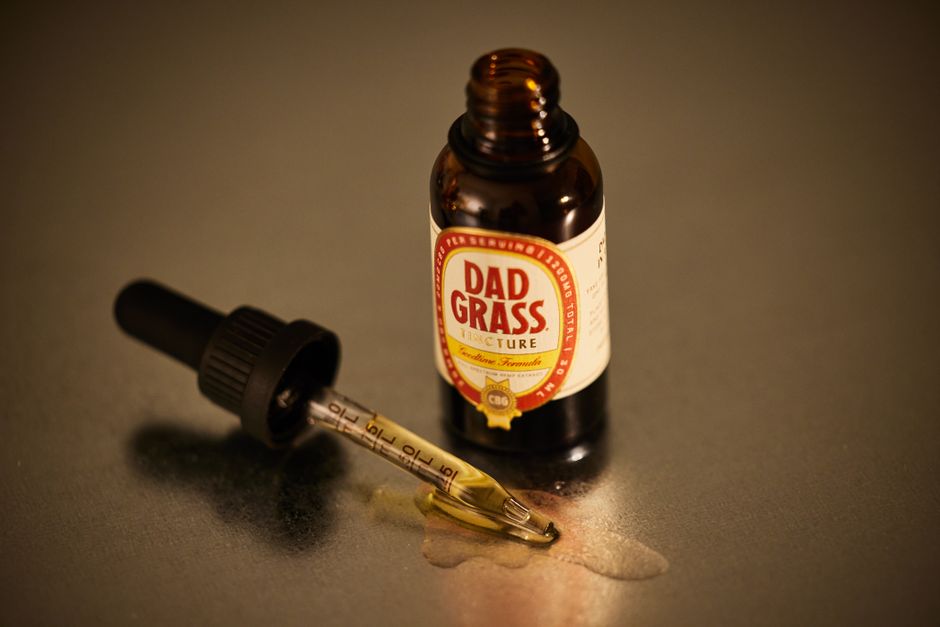
To process raw chaga into tea, clean the black outer crust with a stiff brush, break it into small chunks, and simmer them in water for one to two hours. For a tincture, first make a strong tea (decoction) and then combine that concentrated liquid with high-proof alcohol to create a dual extract that pulls out both water-soluble and alcohol-soluble compounds.
What Is Chaga and Is It Safe to Process at Home?
Chaga is a fungus that grows on birch trees in cold climates. It looks like a black, charred lump on the outside and has a brown, cork-like interior. Chaga has a long history of use in traditional medicine for immune support, but clinical evidence in humans is limited.
Processing chaga at home is safe for most people if done carefully. However, raw chaga is very hard and requires proper cleaning and cooking. Chaga contains high levels of oxalates, which can contribute to kidney stones or kidney damage in people with existing kidney problems. It may also slow blood clotting, so people taking blood thinners or with bleeding disorders should avoid it. Pregnant and breastfeeding women should not use chaga because no safety data exist.
How To Clean and Prepare Raw Chaga
Start with a dry piece of chaga. Use a stiff vegetable brush or a dry toothbrush to scrub off dirt, bark, and debris from the black outer crust. Do not wash chaga under running water—moisture can get trapped inside and lead to mold later.
Cut away any white outer mold or rot if visible. The inner brown part is what you will use. Once clean, let the chaga air dry for a day or two in a well-ventilated area away from direct sunlight. A fully dry piece will feel lightweight and brittle.
How To Grind Chaga for Tea and Tincture
Chaga is extremely dense. To break it into smaller pieces, wrap it in a clean kitchen towel and hit it with a hammer or the back of a heavy knife. Aim for chunks about the size of a walnut for tea, or smaller pieces (pea size or powder) for tincture.
A blade coffee grinder can grind small chunks into a coarse powder, but chaga will dull blades quickly. An alternative is to use a hand grater or rasp. For tincture, a finer grind increases surface area and improves extraction. Wear a dust mask when grinding chaga because the fine powder can irritate your lungs.




How To Process Chaga From Raw To Tea Or Tincture?
For tea: Place about one tablespoon of chaga chunks or powder per cup of water into a pot. Bring to a boil, then reduce the heat to a low simmer. Cover and simmer for one to two hours. The longer you simmer, the darker and stronger the tea becomes. Strain the liquid through a fine mesh strainer or cheesecloth. The tea has an earthy, slightly vanilla-like taste. You can re-use the same chaga pieces two or three times—just add fresh water and simmer again. Store leftover tea in the refrigerator for up to five days.
For a dual extract tincture: Start by making a strong decoction. Use one cup of ground chaga per four cups of water. Simmer for two to three hours, then strain and reserve the liquid. Return the liquid to the pot and simmer uncovered until it reduces by half. Let it cool to room temperature. Add high-proof alcohol, such as 100-proof vodka or Everclear, to the concentrated liquid. Use enough alcohol to bring the final alcohol percentage to around 25–30% — a common ratio is one part alcohol to two parts reduced liquid. Stir well and store in a dark glass jar. Let it sit for two to four weeks, shaking daily. After that, strain through a coffee filter. The resulting tincture contains both water-soluble polysaccharides and alcohol-soluble triterpenes.
How To Store Processed Chaga
Whole, dry chaga chunks keep for years in a paper bag or breathable container in a cool, dark place. Grinding speeds up oxidation, so store ground chaga in an airtight glass jar away from light for up to six months.
Chaga tea should be refrigerated and consumed within five days. Tincture, due to the alcohol content, lasts indefinitely when stored in a dark glass bottle at room temperature. Check periodically for mold or off smells. If anything looks or smells wrong, discard it.
Frequently Asked Questions
How long do you simmer chaga for tea?
Simmer chaga for one to two hours for a standard tea. Longer simmering (up to three hours) produces a stronger extraction.
Can you use chaga powder directly in a tincture without water first?
You can, but a tincture made only with alcohol will miss the water-soluble polysaccharides. A dual extract that uses both water and alcohol gives you the full range of compounds.
Is chaga safe for people with kidney disease?
No. Chaga is high in oxalates and may worsen kidney problems. People with kidney disease, a history of kidney stones, or those on dialysis should avoid it.
How much chaga tea can you drink per day?
No clinical guidelines exist. Traditional use suggests one to two cups per day. Start with a small amount to see how your body responds.
