
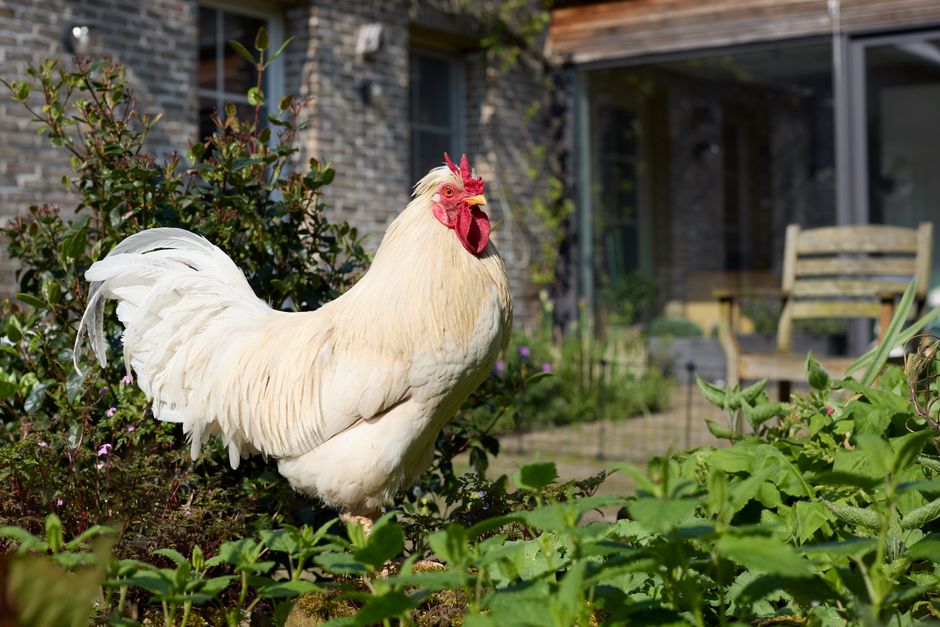
Processing a rooster from dispatch to dinner means killing the bird quickly and humanely, bleeding it fully, scalding and plucking the feathers, removing the head, feet, and internal organs, then chilling the carcass fast before you cook it. The whole job takes most people 20 to 40 minutes per bird once they know the steps. Done right, you get clean, safe meat. Done carelessly, you risk torn skin, broken guts, and foodborne bacteria that no amount of cooking will fully undo.
How To Process A Rooster From Dispatch To Dinner?
The sequence matters more than speed. Each step sets up the next one, and skipping ahead creates problems you cannot fix later.
Here is the order that works:
- Withhold feed for 8 to 12 hours before dispatch, but keep water available. An empty gut is easier to clean and less likely to rupture.
- Dispatch the bird using a method you can perform quickly and confidently.
- Bleed it out completely. This is not optional if you want good-tasting meat.
- Scald the carcass in water at roughly 140°F to 150°F for 30 to 60 seconds.
- Pluck the feathers, starting with the wings and tail.
- Remove the head and feet.
- Open the body cavity and remove the internal organs.
- Chill the carcass immediately in ice water or a refrigerator.
- Rest the meat, then cook it.
The 8-to-12-hour feed withdrawal is standard practice in both backyard and commercial poultry processing. It reduces the chance of tearing the intestines during evisceration, which is the single most common way home-processed birds get contaminated.
What Is The Most Humane Way To Dispatch A Rooster?
The most widely accepted methods for dispatching poultry are cervical dislocation and mechanical killing cones paired with a sharp knife. Both cause rapid loss of consciousness when performed correctly.
Cervical dislocation means severing or sharply separating the spinal cord at the base of the skull. The bird loses consciousness almost instantly. It requires some hand strength and a clear understanding of where the joint sits — just behind the skull, not midway down the neck.
A killing cone is a funnel-shaped restraint that holds the bird upside down with the head exposed. A single cut across the jugular veins on both sides of the neck causes rapid blood loss and loss of consciousness. The cone keeps the wings still, which protects the meat from bruising.
What you should not do is anything that leaves the bird conscious while it bleeds out slowly. A partial cut that misses the major vessels is inhumane and also ruins the bleed. If you are unsure of your technique, practice the hand placement on a recently dispatched bird before you do it on a live one.
Some people ask about carbon dioxide or other gas methods. These are used in commercial facilities under controlled conditions. They are not practical or reliably humane for single-bird backyard processing.
Why Does Bleeding Matter So Much?
Blood left in the muscle tissue is the main reason home-processed poultry tastes strong or gamey. A complete bleed takes 1 to 2 minutes and makes a noticeable difference in the final flavor.
After the cut, the heart continues to pump for a short time, which is what drives the blood out. Hold the bird in the cone or over a bucket and let it drain fully. Do not rush to the scalding pot. If the bird stops bleeding before the flow slows to a drip, something went wrong with the cut.
This is also why you should never scald a bird that has not been properly bled. Heat sets the blood in the tissue.




How Do You Scald And Pluck A Rooster?
Scalding loosens the feathers so they release from the follicle. The water temperature is the variable that matters most, and getting it wrong is the most common mistake.
Water at 140°F to 150°F works for most chickens. At that range, 30 to 60 seconds of full submersion is usually enough. Test a wing feather — if it pulls out with almost no resistance, the bird is ready. If it still holds, give it another 15 to 20 seconds.
Water above 160°F can cook the skin and cause it to tear during plucking. Water below 130°F does not loosen the feathers enough, and you end up fighting the bird and bruising the meat.
Pluck immediately after scalding, while the carcass is still hot. Work from the wings and tail toward the body, pulling in the direction the feathers grow. A few stubborn pin feathers on the wings and tail can be pulled with a small pair of pliers or singed off with a flame.
Older roosters often have tougher feather follicles than young birds and may need slightly longer scalding. This is normal. It is one of several reasons older birds are usually cooked differently than young ones.
How Do You Remove The Organs Without Contaminating The Meat?
Evisceration is where most contamination happens. The goal is to open the body cavity and remove the intestines without nicking them, because gut contents carry bacteria that spread fast across the meat.
Start by removing the head and the feet at the joints. Then make a shallow cut in the abdominal skin, below the breastbone and above the vent. Use your fingers more than the knife — you can feel where the tissue separates, and fingers do not puncture intestines the way a blade does.
Reach in and free the organs from the body wall. Pull the intestines, gizzard, heart, and liver out together. Set the liver aside if you want to keep it, but cut away the greenish bile sac carefully — if it breaks, the bile makes the liver bitter and you should discard it.
Keep a bowl of clean water nearby and rinse your hands and knife often. Anything the guts touch should be considered contaminated until washed.
Once the cavity is empty, rinse the bird thoroughly inside and out with cold running water. Some people use a light vinegar rinse. There is no strong evidence that a vinegar rinse does more than plain cold water for safety, but it does not hurt.
How Fast Do You Need To Chill The Carcass?
Chilling is the step most home processors underestimate. Bacteria multiply fastest in the temperature range between roughly 40°F and 140°F, so the sooner the carcass drops below 40°F, the safer the meat.
Drop the rinsed bird into an ice water bath immediately after evisceration. Change the water or add more ice as it warms. A whole rooster typically needs 1 to 2 hours in ice water to cool through, depending on its size. Then move it to the refrigerator.
For food safety, the USDA recommends cooking or freezing poultry within 1 to 2 days of refrigeration. If you are not cooking it right away, freeze it. Frozen poultry keeps its quality best when used within a few months, though it stays safe indefinitely at 0°F.
Why Older Roosters Need Different Cooking
A rooster that has been alive for a year or more has spent that time using its muscles. That means more connective tissue and tougher meat than a young bird.
This is not a defect. It just calls for different cooking. Young birds roast or fry well. Older roosters do better with long, moist cooking methods — braising, stewing, or slow cooking in liquid — which break down the collagen over time.
Some people rest the carcass in the refrigerator for 1 to 2 days before cooking. This is often called aging. It can slightly improve tenderness, though the effect is smaller than many people claim. The bigger factor by far is the cooking method.
What Equipment Do You Actually Need?
You do not need much. A sharp knife, a killing cone or a firm surface for cervical dislocation, a large pot for scalding, a thermometer, a plucking area, and a cooler or large bowl of ice water will get the job done.
A water thermometer is the one piece of equipment people skip and then regret. Scalding temperature is the difference between clean plucking and a torn, patchy carcass.
Everything else — plucking machines, stainless tables, vacuum sealers — makes the job faster or easier, but none of it is required.
Frequently Asked Questions
How long does it take to process a rooster from start to finish?
Most people take 20 to 40 minutes per bird from dispatch to a chilled carcass. The time drops with practice, and the chilling step adds another 1 to 2 hours of waiting.
Can you eat a rooster the same day you process it?
Yes, you can cook it the same day, though many people rest the meat in the refrigerator for a day or two first. Resting may slightly improve tenderness, but cooking method matters far more.
What temperature should scalding water be for plucking a rooster?
About 140°F to 150°F for 30 to 60 seconds. Water above 160°F can cook and tear the skin, and water below 130°F will not loosen the feathers.
Is it safe to eat a rooster that was not bled properly?
It is safe if the meat was chilled quickly and cooked thoroughly, but the flavor will be noticeably stronger and the meat may look darker. A complete bleed takes only 1 to 2 minutes and is worth doing right.
