
Protein gets a lot of attention, and for good reason. It builds and repairs muscle, makes enzymes and hormones, and helps you feel full after eating. Most adults need somewhere between 0.8 and 1.6 grams of protein per kilogram of body weight each day, depending on age, activity level, and health status. The practical challenge is not knowing the number — it is spreading that protein across breakfast, lunch, and dinner instead of loading it all into one meal.
Why Does Protein Timing Across Meals Matter?
Your body does not store protein the way it stores fat or glycogen. There is no protein reservoir that gets topped up and drawn down as needed. Instead, the amino acids from the food you eat circulate in the blood for a few hours and are then either used for tissue repair, converted to energy, or excreted.
Research on muscle protein synthesis — the process by which the body builds new muscle tissue — suggests that a single large dose of protein does not extend that process indefinitely. Studies using stable isotope tracers have found that muscle protein synthesis rises after eating protein, peaks within roughly 90 minutes to two hours, and then returns toward baseline even if amino acids are still circulating. This has led researchers to propose that distributing protein across the day may support muscle maintenance more effectively than concentrating it in one meal.
The evidence here is not uniform. Some studies comparing evenly distributed protein intake to skewed intake have found modest differences in muscle mass or strength over time, while others have found no meaningful difference. The effect appears to depend on age, training status, and total daily protein intake. For older adults, the case for even distribution is somewhat stronger, because aging muscle appears less responsive to smaller protein doses.
What is not in dispute: total daily protein intake matters more than timing. If you eat enough protein overall, the distribution question becomes a refinement, not a foundation.
How Much Protein Should You Aim For Per Meal?
For most adults, targeting roughly 25 to 40 grams of high-quality protein per meal is a reasonable and commonly cited range in nutrition research. This range is based on studies showing that muscle protein synthesis responds dose-dependently up to about 20 to 40 grams of protein in a single sitting, with diminishing returns above that.
That said, the exact threshold varies by individual. A 180-pound man doing resistance training has different needs than a 130-pound woman who is mostly sedentary. Body weight, age, and physical activity all shift the target.
A simpler way to think about it: divide your daily protein target by the number of meals you eat. If you eat three meals and need 90 grams per day, that is 30 grams per meal. If you eat two meals, the per-meal number rises.
Here is what 25 to 40 grams of protein looks like in common foods, based on USDA nutritional data:
| Food | Protein (grams) |
|---|---|
| Chicken breast, cooked, 4 oz | ~31g |
| Greek yogurt, plain, 1 cup | ~20g |
| Eggs, 3 large | ~18g |
| Canned tuna, 5 oz | ~27g |
| Lentils, cooked, 1 cup | ~18g |
| Tofu, firm, 4 oz | ~11g |
| Whey protein powder, 1 scoop | ~20-25g |
Notice that plant proteins tend to deliver less protein per serving than animal proteins. That does not make them inferior, but it does mean vegetarians and vegans often need to eat larger portions or combine more sources to hit the same per-meal target.
What Does a High-Protein Breakfast Actually Look Like?
Breakfast is where most people fall short. A typical American breakfast — cereal, toast, orange juice, coffee — might contain 5 to 8 grams of protein. That is well below the 25 to 40 gram range that research suggests is useful for stimulating muscle protein synthesis.
Shifting breakfast to a higher-protein pattern does not require dramatic changes. It requires swapping low-protein staples for higher-protein ones.
- Replace cereal with eggs and add a side of Greek yogurt
- Add a scoop of protein powder to oatmeal or a smoothie
- Choose cottage cheese instead of cream cheese on toast
- Pair a smaller portion of carbs with a larger portion of eggs, fish, or tofu
- Use last night’s dinner leftovers — chicken, salmon, beans — as a breakfast base
The goal is not to eliminate carbohydrates. Carbohydrates serve their own purposes. The goal is to stop treating breakfast as a carbohydrate-only meal.
Some people find that eating a larger breakfast reduces cravings later in the day. The evidence on this is mixed. Some studies show reduced appetite and lower calorie intake at subsequent meals; others show no difference. Appetite regulation is highly individual.
How Do You Hit Protein Targets at Lunch and Dinner?
Lunch and dinner are usually easier because most people already include a protein source. The issue is often portion size. A sandwich with two slices of deli turkey might contain 10 grams of protein. A chicken Caesar salad might contain 15 to 20 grams, depending on the amount of chicken.
To reach 25 to 40 grams, you generally need a palm-sized or larger portion of meat, fish, or tofu, or a combination of smaller protein sources.
At lunch, that could mean:
- A large salad with 5 ounces of grilled chicken and chickpeas
- A grain bowl with 4 ounces of salmon and edamame
- A turkey sandwich with extra turkey and a side of Greek yogurt
- A lentil soup with a side of cheese and whole grain bread
At dinner, most people already eat a protein-centered meal. The question is whether the portion is large enough. A 3-ounce serving of meat — about the size of a deck of cards — provides roughly 21 grams of protein. Bumping that to 4 or 5 ounces gets you into the 28 to 35 gram range.
If you eat a plant-based diet, you may need to combine sources. Rice and beans together provide a more complete amino acid profile than either alone. Tofu, tempeh, seitan, and edamame are all concentrated plant protein sources. Some plant-based meat alternatives are also high in protein, though their sodium and additive content varies widely.
Does Protein Source Matter as Much as Amount?
Yes and no. For total daily protein intake, amount matters most. For muscle protein synthesis specifically, animal proteins tend to score higher on measures of digestibility and amino acid availability. This is largely because they contain all nine essential amino acids in proportions the body uses efficiently.
Plant proteins can support muscle just as well, but they often require larger portions or careful combining to deliver the same amino acid profile. Soy is an exception — it is a complete protein with a digestibility score close to that of animal proteins.
Protein quality is measured in several ways. The most commonly used measure today is the Digestible Indispensable Amino Acid Score, or DIAAS. Foods with higher scores deliver more usable amino acids per gram of protein consumed. Whey, egg, and milk proteins score very high. Most plant proteins score lower, though soy is relatively high.
For most people eating a mixed diet, protein quality is not a major concern. It becomes more relevant for vegans, older adults, and people with higher protein needs due to training or illness.
What About Snacks — Do They Count?
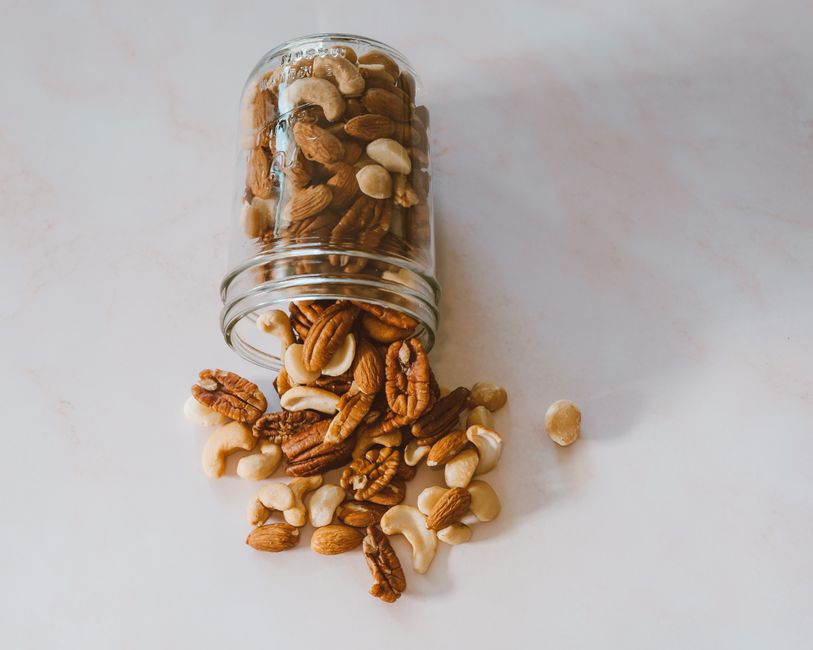
Snacks can contribute to daily protein intake, but they rarely deliver enough to count as a full protein feeding. A handful of almonds provides about 6 grams of protein. A cheese stick provides about 7 grams. A protein bar varies widely, from 10 to 25 grams depending on the brand.
If you eat three solid meals that each hit 25 to 40 grams, snacks are optional. If you struggle to hit your daily target, a protein-focused snack can help close the gap. Greek yogurt, cottage cheese, jerky, hard-boiled eggs, and edamame are all reasonable options.
What snacks generally do not do is replace a meal’s worth of protein. A protein bar is not the same as a meal with 30 grams of protein from whole food sources, even if the label says 20 grams. The food matrix — the combination of protein with other nutrients, fiber, and fats — affects how the body uses it.
Who Needs to Pay Extra Attention to Protein Distribution?
Three groups stand out in the research:
- Older adults. Aging muscle appears to require a larger protein dose to trigger the same muscle-building response. Some research suggests that adults over 60 may need closer to 30 to 40 grams per meal rather than 20 to 25.
- People doing resistance training. Strength training increases protein needs and may make distribution more relevant, since muscle repair happens over many hours.
- People in a calorie deficit. When calories are restricted, adequate protein helps preserve muscle mass. Spreading it across meals may help, though the evidence is not definitive.
For healthy younger adults eating enough total protein, the distribution question is less critical. It is a refinement, not a requirement.
Do You Need Protein Immediately After a Workout?
The “anabolic window” — the idea that you must eat protein within 30 minutes of exercise or lose your gains — is largely overstated. Research has shown that the window is wider than once believed, likely several hours, especially if you ate protein before training.
That said, eating protein after resistance training does support muscle repair and growth. The practical takeaway is that if your next meal is within a few hours of your workout, you do not need a special post-workout shake. If your next meal is many hours away, a protein-containing snack may help.
The total daily intake still matters more than the timing around a single workout.
Frequently Asked Questions
How much protein should I eat at each meal?
Most adults benefit from aiming for 25 to 40 grams of protein per meal. This range is based on research showing that muscle protein synthesis responds to protein doses up to about 40 grams at a time.
Is it better to eat protein all at once or spread it out?
Spreading protein across meals appears to support muscle maintenance somewhat better than eating it all in one sitting, based on studies of muscle protein synthesis. However, total daily protein intake matters more than distribution.
Can I get enough protein from plant foods alone?
Yes, but it often requires larger portions or combining sources. Plant proteins generally contain less protein per serving than animal proteins, and most are lower in one or more essential amino acids.
Do I need a protein shake to hit my targets?
No. Protein shakes are convenient but not necessary. Whole foods like eggs, chicken, fish, Greek yogurt, lentils, and tofu can all help you reach your per-meal protein target.
