
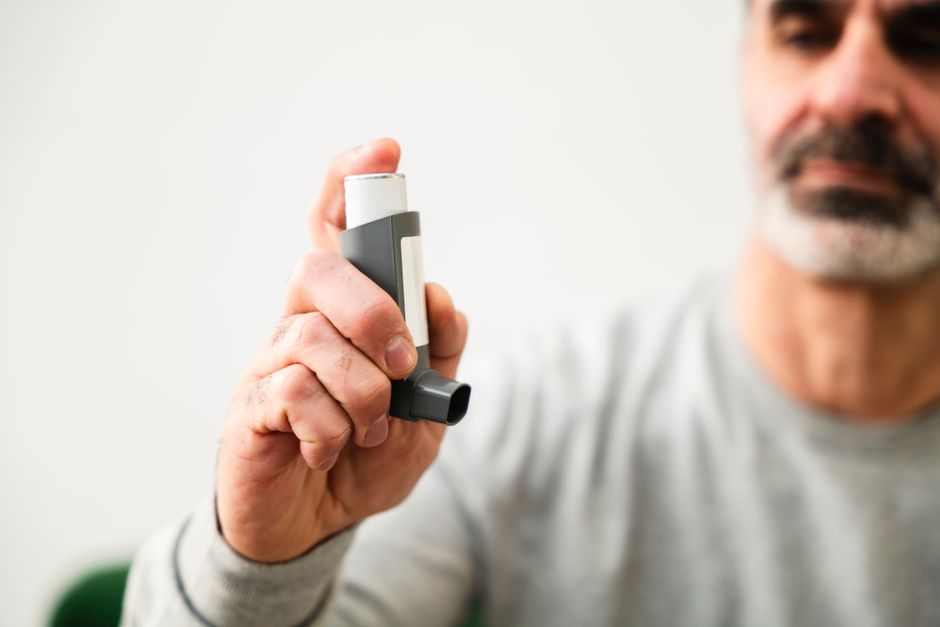
Priming an albuterol inhaler means spraying it into the air a few times before your first use or after a long period of not using it. This ensures the first dose you inhale contains the full amount of medication, not just a partial spray. The exact number of sprays needed depends on whether you use a metered-dose inhaler (MDI) or a dry powder inhaler, and the process takes less than a minute once you know the steps.
Why Does an Albuterol Inhaler Need to Be Primed?
Albuterol inhalers deliver medication as a fine mist. Between uses, the medication can settle or dry inside the inhaler’s nozzle and valve. When this happens, the first spray or two may not contain the correct dose of medicine. Priming clears the device and ensures each subsequent spray delivers the labeled amount of drug.
Manufacturers design these devices to be reliable, but they are mechanical. They have small moving parts and precise openings. Over time, even a few days of sitting unused can cause the medication to clog the tiny spray nozzle. Priming is the standard way to clear this blockage and verify the device is working.
This is not an optional step. Skipping the prime can mean receiving little or no medication on the first inhalation. For someone experiencing asthma symptoms or an acute attack, that missed dose can delay relief. It is a simple habit that protects the effectiveness of your rescue inhaler.
How To Prime An Albuterol Inhaler Step By Step: Metered-Dose Inhalers
Most albuterol inhalers are metered-dose inhalers. These are the traditional pressurized canisters that fit into a plastic mouthpiece. The priming process is straightforward and follows the manufacturer’s instructions.
Follow these steps for a standard MDI albuterol inhaler:
- Shake the inhaler well for about 5 to 10 seconds before each use and before priming.
- Remove the mouthpiece cover. Check that the mouthpiece is clean and clear of any objects.
- Hold the inhaler upright with the mouthpiece pointing away from your face.
- Press the canister down to release one spray into the air. Aim it away from your eyes and face.
- Repeat this spray process for the number of times specified in the package insert.
The number of sprays required for initial priming varies by brand. Most manufacturers instruct you to release 3 to 4 test sprays when the inhaler is new. Some brands require up to 4 sprays. Always check the specific instructions printed on the label or the package insert that came with your inhaler.
If you have not used your inhaler for a period of time, it may need to be primed again. The “time since last use” threshold also varies by brand. Some manufacturers recommend priming with 1 or 2 sprays if the inhaler has not been used for more than 2 weeks. Others recommend priming if it has not been used for more than 3 days. Read the package insert to know the exact interval for your specific device.
After priming, the inhaler is ready for use. If you drop the inhaler or if the mouthpiece becomes detached, it is a good practice to prime it again before your next dose. This ensures the internal mechanism is still properly aligned and delivering the full dose.
How To Prime a Dry Powder Albuterol Inhaler
Some albuterol inhalers are dry powder inhalers. These do not use a propellant and do not require the same shaking and spraying process. The most common example is the ProAir RespiClick, which is a breath-activated device.
For dry powder inhalers like the RespiClick, priming is often called “activation” or “preparation.” The steps differ from an MDI:
- Open the cap. For the RespiClick, this is done by flipping the mouthpiece cover up until it clicks.
- Load the dose. This action is usually completed by closing the cap and then opening it again, which loads a fresh dose of medication.
- Do not shake a dry powder inhaler. Shaking can cause the powder to clump or release an incorrect dose.
The RespiClick is designed to be ready to use immediately after the dose is loaded. It does not require test sprays into the air because the mechanism is different. The dose is loaded fresh each time you open and close the cap.
If you are unsure whether your inhaler is a metered-dose inhaler or a dry powder inhaler, check the device. An MDI has a metal canister visible inside a plastic holder. A dry powder inhaler has no canister and typically delivers medication as a dry powder that you inhale quickly and forcefully. Your pharmacist can also confirm which type you have and demonstrate the correct priming and use technique.





What Happens If You Do Not Prime Your Inhaler?
Skipping the prime means the first spray may be weak or contain no medication. This is not dangerous in most cases. It simply means you may not receive the full dose of albuterol from that first inhalation.
The bigger risk is during an acute asthma attack. When breathing is already difficult, every breath matters. If you reach for your rescue inhaler and the first spray delivers little or no medication, you may believe the inhaler is empty or broken. This can cause panic or a delay in seeking additional medical help.
Priming also serves as a functional check. When you press the canister and see a fine mist of medication spray into the air, you confirm the device is working. If no mist appears, or if the spray is uneven or sputtering, the inhaler may be clogged, nearly empty, or malfunctioning. This is valuable information to have before you need the medication, not during an emergency.
How To Know If Your Albuterol Inhaler Is Empty
Metered-dose inhalers do not have a clear window showing the remaining medication level. Many people incorrectly assume that an inhaler that still sprays must still contain medication. This is not accurate.
Most MDIs deliver a specific number of doses, typically 200 sprays per canister. Once that number is reached, the inhaler will continue to spray propellant even when the medication is gone. The spray may feel the same, but it contains no albuterol.
Some newer inhalers have a dose counter built into the device. This is the most reliable way to know how many doses remain. If your inhaler has a dose counter, check it regularly. When the counter reaches zero, the inhaler is empty and should be replaced, even if it still produces a spray.
If your inhaler does not have a dose counter, track your usage manually. Count each inhalation you take and subtract it from the total number of doses your inhaler holds. This number is printed on the label or in the package insert. Keeping this count can prevent the dangerous situation of relying on an empty inhaler.
Another simple test is to float the canister in water. This old method is not reliable and is not recommended by manufacturers. The density of the canister changes with formulation, and the test can give false readings. Do not rely on the water test to determine if your inhaler has medication left. Use the dose counter or your own manual count.
Common Priming Mistakes To Avoid
Several mistakes can reduce the effectiveness of your inhaler, even if you prime it correctly. Being aware of these can help you get the full dose of medication every time.
Shaking the inhaler is essential for MDIs. Albuterol suspensions can separate when they sit. Shaking for 5 to 10 seconds mixes the medication evenly. Do not skip this step before priming or before each dose. However, never shake a dry powder inhaler, as this can damage the dose mechanism.
Spraying into the air too close to your face is a common error. Medication spray can irritate the eyes. Always point the mouthpiece away from your face and ideally toward the floor or the back of a sink.
Forgetting to prime after a period of non-use is also common. If you only use your rescue inhaler occasionally, you may not remember the last time you used it. A good habit is to prime your inhaler once a week, even if you have not used it. This keeps the nozzle clear and ensures it is ready when you need it.
Storing your inhaler incorrectly can also cause problems. MDIs should be stored at room temperature. Extreme cold can cause the medication to spray weakly. Extreme heat can cause the canister to burst. Do not store your inhaler in a car glovebox or in direct sunlight. If the inhaler feels cold, warm it in your hands for a few minutes before priming and using it.
Cleaning Your Inhaler To Keep It Working
Regular cleaning prevents medication buildup that can clog the nozzle. A clogged nozzle will not deliver the full dose, even if the canister is full and properly primed.
Clean your MDI at least once a week. Remove the metal canister from the plastic mouthpiece. Do not get the canister wet. Rinse the plastic mouthpiece under warm running water for about 30 seconds. Shake off the excess water and let the mouthpiece air dry completely before reassembling.
If the mouthpiece is clogged and not delivering medication, you can clean the small opening. Look for the tiny hole where the medication sprays out. If it appears blocked, rinse it under warm water. Never use a pin or a sharp object to clear the hole. This can damage the nozzle and change the dose of medication delivered.
Dry powder inhalers should be kept dry. Do not wash the mouthpiece of a dry powder inhaler with water. If moisture gets inside, the powder can clump and not deliver correctly. Wipe the outside of the mouthpiece with a dry cloth if needed.
Frequently Asked Questions
How many sprays does it take to prime a new albuterol inhaler?
Most metered-dose albuterol inhalers require 3 to 4 test sprays when new. Check the package insert for your specific brand because the exact number varies.
Do I need to prime my albuterol inhaler if I use it every day?
If you use it daily, it may not need priming before each use, but you should prime it if it has been dropped or if the mouthpiece was removed. Check your inhaler’s instructions for how often it needs priming after regular use.
What if my albuterol inhaler does not spray when I try to prime it?
If no mist appears, the inhaler may be empty, clogged, or defective. Check the dose counter if available, clean the mouthpiece, and if it still does not spray, replace the inhaler.
