
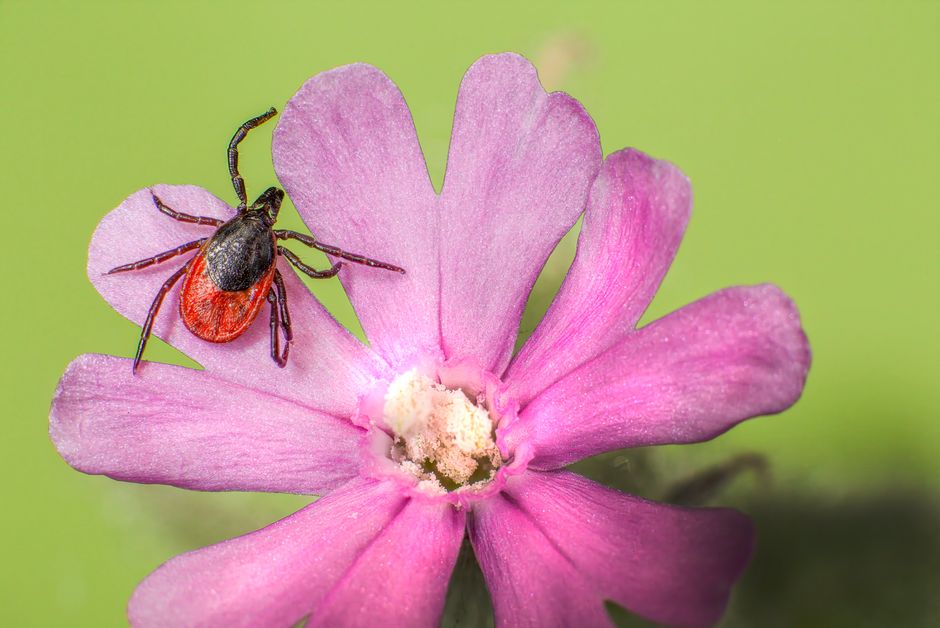
Ticks are small arachnids that feed on blood, and they can transmit several serious diseases to people and animals. Preventing ticks on your body, your pets, and in your yard comes down to three habits: protect your skin with repellent and clothing, keep pets on consistent tick control, and make your yard less welcoming to ticks by managing vegetation and wildlife. No single step is enough on its own. Layering several together is what lowers your risk.
How Do You Prevent Ticks On Your Body?
Your skin is the last line of defense, so treat it that way. The goal is to make it hard for a tick to reach bare skin and to remove any tick that does attach before it can transmit disease.
Wear light-colored clothing so ticks are easier to spot. Tuck your shirt into your pants and your pants into your socks when you are in tall grass or wooded areas. This sounds old-fashioned, but it closes the gaps ticks use to crawl under fabric.
For exposed skin, the Centers for Disease Control and Prevention recommends EPA-registered insect repellents. Products containing DEET, picaridin, IR3535, oil of lemon eucalyptus, para-menthane-diol, or 2-undecanone are registered for this use. Follow the label directions exactly. Do not apply these products to infants under 2 months old, and do not use oil of lemon eucalyptus or para-menthane-diol on children under 3 years old.
You can also treat clothing and gear with the insecticide permethrin. Treating clothes this way kills ticks on contact and lasts through several washings. Permethrin should be applied to clothing, not directly to skin.
Check Yourself After Being Outdoors
Do a full-body tick check when you come inside. Pay close attention to the scalp, ears, armpits, groin, waistband, and behind the knees. These are the places ticks most often attach.
Showering within two hours of coming indoors has been shown to reduce the risk of tick bites. It also gives you a chance to check your body. Put your clothes in a dryer on high heat for about 10 minutes to kill any ticks still clinging to fabric.
If you find an attached tick, remove it promptly with fine-tipped tweezers. Grasp the tick as close to the skin as you can and pull straight up with steady pressure. Clean the bite area with rubbing alcohol or soap and water. The longer a tick stays attached, the higher the chance it can pass along an infection.
How Do You Prevent Ticks On Pets?
Pets bring ticks into the house and onto the people who live there. A consistent parasite control plan is the most reliable way to protect them.
Talk to your veterinarian about a year-round tick preventive. Options include oral medications, topical treatments, and collars, and the right choice depends on your pet’s health, lifestyle, and local tick activity. Use only products labeled for your specific animal. Some dog products are toxic to cats, so never share them between species.
Check your pets for ticks every day, especially after walks in grassy or wooded areas. Run your hands over their coat and feel for small bumps. Look around the ears, neck, and between the toes.
Keep your pet’s vaccinations current and ask your vet about testing for tick-borne diseases during routine visits. If your pet becomes lethargic, loses appetite, or develops a fever after a tick bite, contact your vet.
How Do You Prevent Ticks In Your Yard?
Ticks do not jump or fly. They wait on the tips of grass and low plants and grab onto a host that brushes past. Reducing that waiting habitat is the core of yard prevention.
- Keep grass mowed short and clear tall brush and leaf litter along the edges of your yard.
- Create a barrier of wood chips or gravel between your lawn and any wooded area.
- Move play equipment and seating away from yard edges and into open, sunny areas.
- Remove leaf piles and clear debris where mice and other small animals shelter.
- Keep up with rodent control, because small mammals carry ticks and help them reproduce.
Ticks dry out quickly, so they thrive in shady, humid spots. Opening up your yard to more sunlight and airflow makes it less hospitable to them.
Some people use chemical tick treatments on their lawns. These can reduce tick numbers, but results vary, and they carry environmental and health considerations. If you consider one, follow the product label and local guidance carefully.
Why Does Timing Matter For Tick Prevention?
Ticks are active in warmer months, but activity patterns differ by region and species. In much of the United States, tick activity peaks in spring and early summer, with some species active again in fall.
That does not mean you can let your guard down the rest of the year. Some ticks remain active on mild winter days. For pets, many veterinarians recommend year-round prevention because of this.
The other timing issue is attachment. A tick has to be attached for a period of time before it can transmit many infections. That is why checking yourself and your pets daily matters. Finding and removing a tick quickly reduces the chance of disease.
What Are The Most Common Tick Prevention Mistakes?
People often rely on one method and assume it is enough. Repellent alone will not protect a pet, and a treated yard will not stop a tick from hitching a ride on your clothing.
Another common mistake is skipping the check when you have only been outside briefly. Ticks can attach within minutes in the right conditions.
Some people also assume a tick has to be large to be dangerous. Nymph-stage ticks are tiny, about the size of a poppy seed, and are easy to miss. They are also a common source of human infection because they go unnoticed.
Finally, do not assume a bite is harmless because you feel fine. Symptoms of tick-borne illness can take days to appear, and early signs can be mild. Watch for fever, rash, fatigue, and muscle aches after any tick bite, and see a healthcare provider if they develop.
When Should You See A Doctor After A Tick Bite?
Contact a healthcare provider if you develop a fever, rash, or flu-like symptoms within a few weeks of a tick bite. A rash that expands over several days is a particular warning sign.
Tell the provider that you had a tick bite and where you likely got it. This helps them consider tick-borne diseases common in that area.
Do not wait for symptoms to become severe. Early treatment for many tick-borne infections is more effective, and prompt care matters.
Frequently Asked Questions
What is the best way to prevent tick bites?
Use EPA-registered repellent on skin, treat clothing with permethrin, and check your whole body after being outdoors. Layering these steps works better than any single method.
Do I need tick prevention for my pet in winter?
Many veterinarians recommend year-round tick control because some ticks stay active in mild weather. Ask your vet what fits your region and your pet.
How long does a tick have to be attached to spread disease?
It depends on the tick species and the disease. Some infections can be transmitted within hours, while others take longer, so prompt removal is always the goal.
Can I get ticks out of my yard completely?
Complete elimination is not realistic in most areas. You can greatly reduce tick habitat and numbers by mowing, clearing brush, and managing wildlife, which lowers risk.
