
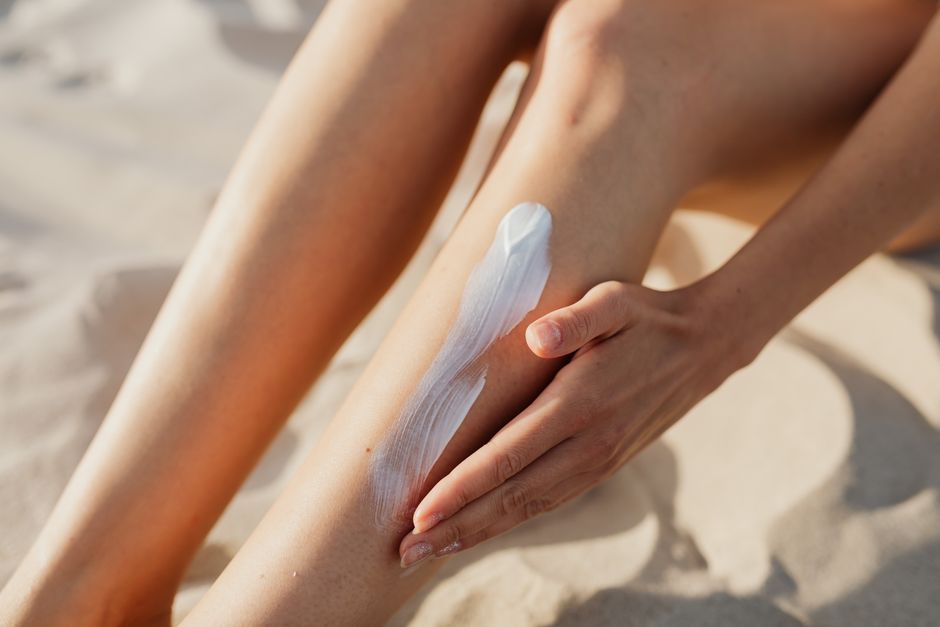
Thigh chafing happens when skin rubs against skin or fabric, and the resulting friction damages the outer layer of skin. You can prevent most of it by keeping the area dry, reducing friction with a lubricant or barrier product, and wearing fitted shorts under skirts or dresses. Once chafing starts, wash gently, pat dry, and apply a fragrance-free barrier ointment — most mild cases settle within a few days if you stop the friction.
It is common, it is not a sign of poor hygiene, and it is not something you have to live with. The fix is mostly mechanical. Remove the rubbing and the skin can begin to repair.
Why Does Thigh Chafing Happen?
Skin is built to tolerate some friction, but not the repeated, low-grade rubbing that happens when two skin surfaces move against each other for hours. The outer layer — the stratum corneum — acts as a barrier. Sustained friction wears at it, and once that barrier is compromised, moisture and heat make things worse.
Three things drive the process. Friction is the trigger. Moisture from sweat softens the skin and raises the friction coefficient, so damp skin rubs harder than dry skin. Heat adds to it by increasing sweat and keeping the area warm and damp. Together they create the conditions for irritation, redness, and eventually raw skin.
Body shape matters here, and not in a judgmental way. People with more contact between their inner thighs — whether from muscle, body fat, or simply anatomy — have more skin-on-skin surface to rub. So do runners, walkers, and anyone in a job that keeps them on their feet.
There is a useful distinction worth knowing. Chafing is not the same as a heat rash, and it is not the same as a fungal infection, even though all three can look red and angry in the same area. Chafing is friction damage. A fungal infection such as jock itch usually itches intensely, often has a defined edge, and tends to worsen over days rather than improving when you remove the friction. If a rash is spreading, sharply bordered, or not improving after several days of reduced rubbing, it is worth having a clinician look at it rather than assuming it is chafing.
What Is the Fastest Way To Treat Chafing That Has Already Started?
Stop the friction first. Everything else is secondary. No cream will fix chafing while the same rubbing continues every day.
Clean the area with lukewarm water and a mild, fragrance-free cleanser. Pat dry — do not rub. Then apply a barrier product. Plain petrolatum jelly is the standard, inexpensive option, and it works because it seals the skin surface and reduces friction. Fragrance-free barrier ointments and zinc oxide creams are also reasonable choices.
For comfort in the first day or two, a cool compress can calm the stinging. Avoid anything that stings on application — alcohol-based products, heavily fragranced lotions, and antiseptics are all likely to irritate already-damaged skin further.
Most mild chafing improves within a few days once friction is removed. If the skin is broken, weeping, or increasingly painful, or if you see signs of infection such as spreading redness, warmth, or pus, see a clinician. Broken skin in a warm, moist area is more vulnerable to infection, and that is not something to manage by guesswork.
One practical note: over-the-counter hydrocortisone is sometimes used for chafing, but it is not a friction treatment. It may reduce inflammation, and some clinicians suggest short-term use for significant irritation, but it does not protect skin from rubbing and should not be applied to broken skin without medical advice. Prolonged use on thin skin can cause thinning. This is a case where the simple barrier product is usually the better first choice.
How To Prevent Thigh Chafing And Treat It Fast With the Right Clothing
Clothing is the single most controllable factor. The goal is to eliminate skin-on-skin contact and reduce moisture.
Fitted, moisture-wicking shorts worn under skirts and dresses are the most reliable prevention method. They create a physical barrier between the thighs. Look for synthetic moisture-wicking fabrics rather than cotton for the layer closest to the skin — cotton holds sweat against the body, which is exactly the condition that makes chafing worse.
Loose skirts and dresses without a barrier layer are the highest-risk choice for a long, hot day. If you prefer them, plan for the shorts underneath.
- Choose seamless or flat-seam shorts to avoid a new friction point at the seam.
- Avoid thick, stiff seams in underwear and leggings.
- Change out of damp workout clothes promptly rather than sitting in them.
- Skip rough fabric blends in the inner-thigh area on hot days.
Fit matters more than brand. Shorts that ride up create the same rubbing they were meant to prevent. If a pair bunches or rolls, it is the wrong pair for your body, not a failure on your part.
Do Anti-Chafe Products Actually Work?
Lubricants and barrier products reduce friction, and that mechanical effect is well established. What is less established is which specific commercial product is best — most are not tested in head-to-head clinical trials, so claims of superiority are usually marketing rather than evidence.
The categories that make sense:
- Petrolatum and thick ointments — inexpensive, effective at sealing skin and lowering friction. Can feel heavy and may stain fabric.
- Dimethicone-based creams — form a silky barrier, often less greasy, widely used in sport.
- Anti-chafe balms and sticks — convenient for on-the-go application; effectiveness varies by formulation.
- Powders — help manage moisture but can clump when wet and are less useful once heavy sweating starts.
No clinical evidence currently confirms that any single branded anti-chafe product outperforms plain petrolatum. If a product works for you and does not irritate your skin, that is a reasonable reason to keep using it. Just do not expect a premium price to guarantee a better result.
Does Powder or Antiperspirant Help?
Drying the skin reduces friction, so moisture control is a legitimate strategy. Powders absorb sweat and can help in mild conditions. The limitation is that once you are sweating heavily, powder can turn into a paste that adds to the problem rather than solving it.
Antiperspirant containing aluminum compounds is sometimes applied to the inner thighs to reduce sweating. Some people find it helpful. The evidence for this specific use is limited, and it is not an established clinical recommendation for chafing prevention. It is a reasonable thing to try if sweat is your main trigger, but treat it as a personal experiment rather than a proven method. Patch-test on a small area first, since the skin there is sensitive.
When Should You See a Doctor?
Most chafing is self-limiting. See a clinician if the skin is not improving after about a week of consistent friction removal, if it is getting worse, or if there are signs of infection.
Warning signs that warrant prompt attention include spreading redness, increasing warmth, swelling, pus, fever, or a rash with a sharp raised border that keeps expanding. These suggest something other than simple friction damage — possibly a bacterial or fungal infection — and need proper assessment.
People with diabetes or reduced circulation in the legs should take chafing more seriously. Broken skin heals more slowly and carries a higher infection risk in these groups, so it is worth checking in with a clinician earlier rather than waiting it out.
Frequently Asked Questions
How long does thigh chafing take to heal?
Mild chafing usually improves within a few days once the friction stops. If it is not better after about a week of reduced rubbing, or if it worsens, see a clinician.
Can I exercise with chafed thighs?
You can usually keep moving if you cover the area with a barrier product and wear fitted moisture-wicking shorts. If the skin is broken or painful, give it time to close before resuming intense activity.
Is Vaseline good for thigh chafing?
Plain petrolatum such as Vaseline is an effective, low-cost barrier that reduces friction and seals the skin. It is a reasonable first choice, though it can feel heavy and may stain clothing.
Why does chafing happen more in summer?
Heat increases sweating, and damp skin has higher friction than dry skin. That combination makes rubbing more damaging in warm weather and humid conditions.
