

You can lower your odds of getting the flu without a prescription, but the strongest natural defenses are also the most ordinary ones: wash your hands often, keep your hands away from your face, sleep enough, and stay well nourished. Influenza spreads mainly through respiratory droplets and contaminated surfaces, so interrupting that chain matters more than any single supplement. The best natural prevention works alongside vaccination, not instead of it.
How Does the Flu Actually Spread?
Influenza spreads through three main routes, and understanding them tells you exactly where to focus your effort.
The first is droplets. When someone with the flu coughs or sneezes, they launch virus-laden droplets into the air. Those droplets can land in your mouth, nose, or eyes. This is the most common route.
The second is surfaces. A person with the flu touches their nose, then a doorknob. You touch that doorknob, then touch your own face. The virus enters through your mucus membranes. Influenza viruses can survive on hard surfaces for a period, though how long depends on the surface, temperature, and humidity.
The third is airborne transmission, particularly in enclosed spaces with poor ventilation. Some research indicates that fine aerosols can carry influenza virus over longer distances than droplets alone. This is why crowded, stuffy rooms are a higher-risk setting.
Here is a non-obvious point: you can spread the flu before you feel sick. Viral shedding often begins a day or so before symptoms appear. That means someone who looks perfectly healthy at the office or the grocery store could be contagious. This is a big reason why hand hygiene and ventilation matter even when no one around you appears ill.
Why Is Handwashing the Single Most Effective Natural Measure?
Handwashing is the most reliable natural step you can take, because it physically removes the virus from your skin before it reaches your face.
The evidence here is strong and long established. Soap and water do not necessarily kill the influenza virus, but they lift it off your skin and rinse it away. That is enough. You do not need antibacterial soap. Regular soap works.
Wash for about 20 seconds, which is roughly the time it takes to hum the “Happy Birthday” song twice. Cover your palms, the backs of your hands, between your fingers, and under your nails. Rinse and dry.
When soap and water are not available, an alcohol-based hand sanitizer with at least 60 percent alcohol is a reasonable substitute. It is not quite as effective as washing when your hands are visibly dirty or greasy, but it reduces viral load on the skin.
The second half of this habit is often ignored: stop touching your face. Adults touch their faces many times an hour, usually without noticing. Every touch is a potential transfer point from hand to mucus membrane. Training yourself to notice this habit is genuinely useful during flu season.
Does Sleep Really Affect Your Immune Response?
Sleep is not a soft recommendation. It is one of the clearest links between lifestyle and immune function.
During sleep, your body produces and releases proteins called cytokines, some of which help coordinate the immune response. Sleep also supports the activity of T cells, a type of white blood cell that targets virus-infected cells. When you consistently sleep too little, these processes are impaired.
Some studies have found that people who sleep fewer hours and report poorer sleep quality are more likely to develop colds after exposure to respiratory viruses. The research on influenza specifically is more limited, but the general pattern for respiratory infection risk is consistent.
Most adults need seven to nine hours per night. There is no supplement that replaces this. If you are chronically short on sleep, fixing that is likely to do more for your immune function than adding any pill to your routine.
Other basics matter too. Regular physical activity, moderate alcohol intake or none, and not smoking all support normal immune function. None of these is a guarantee against the flu, but they keep your defenses working as they should.
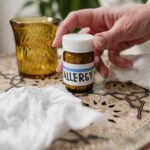




Can Nutrition and Specific Nutrients Prevent the Flu?
Good nutrition supports immune function, but no food or nutrient has been shown to prevent influenza on its own.
This is where a lot of marketing noise lives. Let us separate what is well established from what is not.
What the evidence supports
- Vitamin D. Some research suggests vitamin D plays a role in immune function, and low levels are common in winter. Whether supplementing prevents influenza is not settled. The evidence is mixed, and results vary across studies.
- Zinc. Zinc is involved in immune cell function. Some studies suggest zinc lozenges may shorten the duration of a cold if started early, but evidence for preventing influenza is weak.
- Vitamin C. Regular vitamin C supplementation has not been shown to prevent respiratory infections in the general population. It does not appear to reduce flu risk.
- Elderberry and echinacea. These are popular, but the evidence for preventing influenza is limited. No large human trials have confirmed that either prevents the flu.
What is well established is that a varied diet with enough protein, fruits, vegetables, and fluids keeps your immune system supplied with what it needs. Severe deficiency in nutrients like zinc or vitamin D impairs immunity, but correcting a deficiency is different from taking high doses when you are already sufficient.
| Nutrient | Role in immunity | Evidence for flu prevention |
|---|---|---|
| Vitamin D | Supports immune cell function | Mixed; not established |
| Zinc | Immune cell development and function | Weak for prevention |
| Vitamin C | Antioxidant; supports immune cells | Not supported for prevention |
| Elderberry | Proposed antiviral effects | Limited; unconfirmed |
If you are considering a supplement, talk with a clinician. High doses of some nutrients can cause harm, and more is not better.
How Do You Prevent the Flu Naturally in Daily Life?
Prevention is mostly a set of small, repeatable habits rather than one big action.
Keep your distance from people who are visibly sick. Influenza spreads most easily within about six feet through droplets, so avoiding close contact reduces exposure. If you are caring for someone with the flu, wash your hands frequently and avoid sharing cups, utensils, and towels.
Improve ventilation when you can. Opening windows, using an air purifier with a HEPA filter, and spending time outdoors rather than in crowded indoor spaces all reduce the concentration of airborne virus. This matters more than most people realize, especially in winter when everyone is indoors.
Clean high-touch surfaces. Doorknobs, light switches, phones, and keyboards are common transfer points. Routine cleaning with soap or a household disinfectant reduces the viral load on these surfaces.
Manage stress where you can. Chronic stress is associated with changes in immune function, though pinning down its exact effect on flu risk is difficult. The relationship is real but hard to quantify.
Stay home when you are sick. This protects others and is one of the most effective things a person can do to slow spread.
What Role Does Vaccination Play Alongside Natural Measures?
Natural measures reduce your exposure and support your immune system, but they do not create immunity to specific influenza strains. Vaccination does.
The flu vaccine is designed to train your immune system against the strains expected to circulate that season. Its effectiveness varies from year to year depending on how well the strains in the vaccine match the ones spreading. Even in a mismatched year, some protection remains, and vaccination is associated with lower risk of severe illness and hospitalization.
Natural prevention and vaccination are not competing ideas. They work on different parts of the problem. Handwashing and sleep reduce how much virus reaches you and how well your body responds. The vaccine gives your immune system a head start against the specific virus. Using both is more sensible than choosing one.
If you have questions about whether vaccination is right for you, particularly if you are pregnant, immunocompromised, or have a chronic condition, speak with a clinician. Established guidance for these groups exists, and a clinician can apply it to your situation.
Which Natural Flu Remedies Do Not Work?
A few popular claims do not hold up, and it is worth knowing which ones.
There is no evidence that “boosting” your immune system with a single product prevents the flu. The immune system is not a dial you turn up. It is a complex network that works best when you are rested, nourished, and not chronically stressed.
Colloidal silver, high-dose vitamin C taken only during flu season, and various herbal blends marketed for flu prevention have not been shown in large human trials to prevent influenza. Some carry real risks. Colloidal silver, for example, can cause irreversible skin discoloration with prolonged use.
Essential oil diffusers and “immune teas” are pleasant but not proven to prevent infection. They are not harmful in most cases, but they are not a substitute for handwashing, sleep, and vaccination.
The honest position is this: the boring habits work. The exciting products usually do not.
Frequently Asked Questions
Can you prevent the flu without a vaccine?
You can reduce your risk through handwashing, avoiding sick contacts, good ventilation, sleep, and nutrition, but these measures do not create immunity to influenza. Vaccination remains the most specific protection against the virus.
Does vitamin C prevent the flu?
Regular vitamin C supplementation has not been shown to prevent influenza in the general population. It does not appear to reduce flu risk.
How long does the flu virus live on surfaces?
Influenza viruses can survive on hard surfaces for a period that varies with the surface, temperature, and humidity. Routine cleaning of high-touch surfaces reduces the amount of virus present.
What is the fastest way to strengthen your immune system against the flu?
There is no fast fix. Consistent sleep, a varied diet, regular activity, and reduced stress support normal immune function over time, and vaccination provides specific protection.
