

Getting a tattoo means your skin has been punctured thousands of times by a needle. The body responds the same way it responds to any wound: it sends blood, immune cells, and repair proteins to the site. Most tattoos heal without a scar. The ones that scar usually do so because of infection, picking, sun exposure, or a reaction to the pigment itself. Good aftercare is not about doing more. It is about not interfering with a wound that is already doing its job.
How To Prevent Tattoo Scarring Aftercare Tips
The single biggest factor in whether a tattoo scars is how the skin is treated in the first two weeks. Keep the area clean, keep it moisturized with a thin layer of ointment, and do not touch, scratch, or pick at it. That is the core of it.
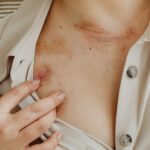
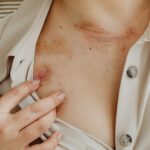
Scarring after a tattoo happens when the wound heals with excess collagen. This can come from infection, trauma to the healing skin, or an immune reaction to the ink. Keloids and hypertrophic scars are raised, thickened areas of skin that form when the body overproduces collagen during healing. Some people are genetically prone to them. Others develop them because the tattoo got infected or was scratched repeatedly.
Prevention comes down to a few consistent behaviors:
- Keep it clean. Wash gently with fragrance-free soap and lukewarm water. Pat dry with a clean paper towel. Do not rub.
- Moisturize lightly. A thin layer of tattoo ointment or fragrance-free lotion. Too much traps bacteria and clogs pores.
- Do not pick or scratch. The itching phase is normal. Picking scabs pulls ink out and opens the wound again.
- Stay out of the sun. UV exposure on healing skin causes damage and increases the risk of uneven pigment and scarring.
- Skip pools, hot tubs, and the ocean. These are common sources of infection while the skin is still open.
- Do not shave over the area until it has fully healed.
Most tattoo artists give aftercare instructions. Follow them. If your artist’s advice conflicts with what a doctor tells you, follow the doctor. Artists are not clinicians.
What Does Normal Tattoo Healing Look Like?
A healing tattoo goes through predictable stages, and knowing what is normal helps you avoid panicking or over-treating. In the first day or two, the area will be red, swollen, and may ooze a mix of plasma and excess ink. A light film or wrap is often used during this window.
By day three to five, the surface starts to dry and form a thin scab or flaky layer. This is when itching usually begins. The itching is a sign of healing, not a problem. It typically lasts several days to a week or two.
Over the next one to three weeks, the flaking skin sheds and the tattoo may look dull or cloudy. This is normal. The ink sits in the deeper dermis, and the top layer of healing skin temporarily obscures it. The color usually returns as the skin finishes repairing.
Full healing of the surface typically takes two to four weeks. The deeper layers of skin can take longer, sometimes several months, to fully settle. During that time the tattoo may still be more sensitive than surrounding skin.
What is not normal: spreading redness, increasing pain after the first couple of days, pus, foul smell, fever, or a rash that extends beyond the tattoo. These suggest infection or an allergic reaction and need medical attention.
Can You Prevent a Keloid From a Tattoo?
If you are prone to keloids, no aftercare routine fully prevents them. Keloid formation is driven largely by genetics and how your individual skin responds to injury. People with darker skin tones, particularly those of African, Hispanic, or Asian descent, are at higher risk. A personal or family history of keloids is the strongest predictor.
That said, aftercare still matters. Infection and repeated trauma to a healing tattoo increase the chance that a keloid-prone person will develop one. If you know you form keloids easily, the most effective prevention is not getting a tattoo in an area known for high tension or previous keloid formation, such as the chest, upper back, or earlobes.
Some clinicians recommend silicone gel sheets or silicone gel products for scar prevention after skin injury. Evidence for their use specifically on tattoos is limited. They are better studied for surgical scars. If you are concerned about keloid risk, talk to a dermatologist before getting tattooed rather than after.



Does Tattoo Aftercare Film or a Bandage Help?
Adhesive film dressings, sometimes called second-skin or transparent film dressings, are widely used in tattoo aftercare. They create a moist, protected environment that can speed surface healing and reduce the chance of outside bacteria getting in. Some artists leave them on for several days.
The evidence for these dressings comes mostly from wound care research, not tattoo-specific trials. In general wound care, moist healing environments tend to heal faster and with less scarring than dry ones. That principle likely applies to tattoos, but no large studies have confirmed it specifically for tattoo healing.
If you use a film dressing, follow the artist’s or manufacturer’s instructions. Remove it if fluid builds up excessively, if it leaks, or if you develop itching or a rash under it. Adhesive reactions are possible and can look like infection.
What Should You Avoid While a Tattoo Heals?
Avoid anything that re-injures the skin or introduces bacteria. That includes scratching, picking scabs, scrubbing with a loofah, and letting pets lick the area. Do not apply petroleum jelly in a thick layer, because it can trap bacteria and block airflow.
Stay out of swimming pools, hot tubs, lakes, and the ocean until the skin has closed. These water sources can harbor bacteria that cause infection in an open wound. Showering is fine.
Direct sun exposure is a real problem. UV rays damage healing skin and can cause hyperpigmentation or hypopigmentation, where the tattooed area becomes darker or lighter than surrounding skin. Once healed, sunscreen on the tattoo helps preserve both the ink and the skin.
Alcohol and smoking can slow wound healing. Smoking in particular reduces blood flow to the skin, which impairs the delivery of oxygen and nutrients needed for repair. If you want the best chance of clean healing, cutting back during the healing period is reasonable.
When Should You See a Doctor About a Tattoo?
See a doctor if you notice signs of infection: spreading redness, warmth, swelling that gets worse after the first two days, pus, a bad smell, or fever. These are not normal healing signs and usually need antibiotics.
Also see a doctor if you develop a rash, bumps, or raised areas within or around the tattoo that appear weeks or months after healing. This can indicate an allergic reaction to ink pigments, particularly red ink. Red tattoo reactions are the most commonly reported pigment reactions, though other colors can cause them too.
If a scar starts forming, a dermatologist can discuss options. Treatments for raised scars include silicone products, corticosteroid injections, laser therapy, and others. These are medical decisions, not aftercare steps, and should be made with a clinician.
Do Tattoos Always Scar?
No. Most tattoos heal without a visible scar. The skin repairs itself around the pigment particles, which are trapped in the dermis by immune cells. When healing goes well, the surface is smooth and the ink looks clean.
Scarring happens when something disrupts that process. Infection, picking, sun damage, allergic reactions, and individual healing tendencies all play a role. Good aftercare reduces the risk, but it does not eliminate it. Some people scar easily no matter what they do.
The most useful mindset is simple: treat a new tattoo like a fresh wound, because that is what it is. Clean it, cover it lightly, leave it alone, and give it time.
Frequently Asked Questions
How long does it take for a tattoo to fully heal?
The surface usually heals in two to four weeks. The deeper skin layers can take several months to fully settle.
Can I prevent a tattoo from scarring?
You can reduce the risk by keeping it clean, moisturized, and protected from sun and trauma. You cannot guarantee no scar, especially if you are prone to keloids.
What happens if I pick at my tattoo scabs?
Picking pulls ink out and reopens the wound, which increases the chance of infection and scarring. Let scabs fall off on their own.
Is it normal for a tattoo to itch while healing?
Yes, itching is a normal part of healing and usually lasts several days to a couple of weeks. Do not scratch it.
