
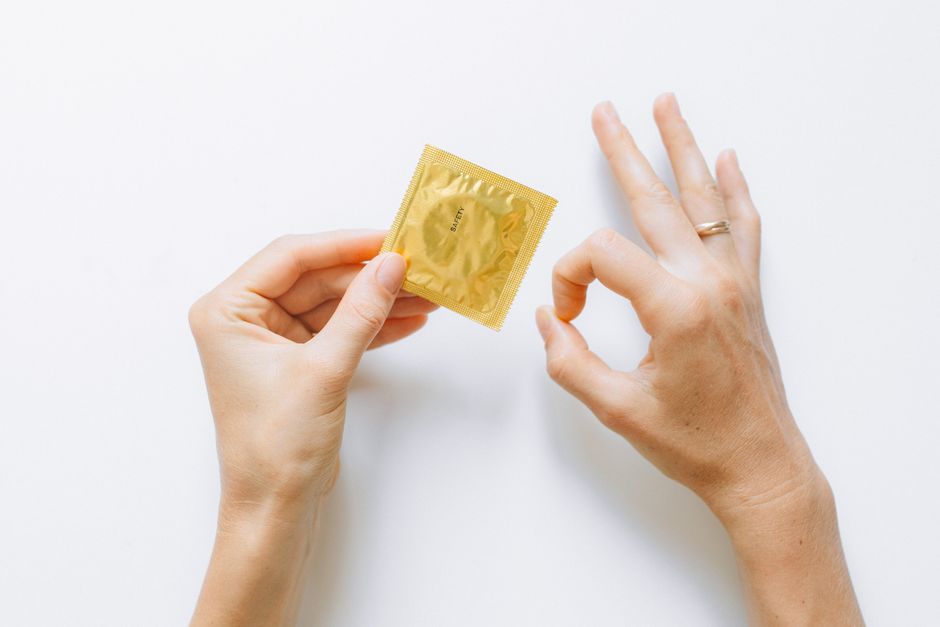
Syphilis is a bacterial infection caused by Treponema pallidum, and it is curable with antibiotics at every stage. The most effective prevention combines consistent condom use, knowing your partner’s testing status, and getting tested yourself on a schedule that matches your risk. If you think you have been exposed, see a doctor right away — a single injection of benzathine penicillin G can stop the infection from taking hold if given within days of exposure.
How Is Syphilis Transmitted?
Syphilis spreads through direct contact with a syphilitic sore, called a chancre. These sores usually appear on the genitals, anus, rectum, lips, or mouth. Transmission happens during vaginal, anal, or oral sex when a partner’s sore touches a mucous membrane or breaks in the skin.
The bacterium does not survive long outside the human body. You cannot get syphilis from sharing a toilet seat, a hot tub, a towel, or eating utensils. That is a persistent myth worth putting to rest. It also is not spread through casual touching or through the air.
A less obvious point: syphilis can also pass from a pregnant person to a fetus. This is called congenital syphilis, and it can cause miscarriage, stillbirth, premature birth, or serious health problems in the newborn. Rates of congenital syphilis have risen sharply in the United States in recent years, which is why routine testing during pregnancy is now strongly emphasized.
You are most contagious during the primary and secondary stages — when sores or rashes are present. But many people never notice these signs, which is one reason the infection spreads so easily.
How To Prevent Syphilis Before And After Exposure
Prevention works on two timelines: before you have sex and after a possible exposure. Both matter, and neither is foolproof on its own.
Before exposure
- Use condoms correctly. Condoms reduce the risk of syphilis, but they do not eliminate it. Sores can be on skin the condom does not cover, such as the base of the penis, the scrotum, or the labia. Consistent and correct use still lowers risk meaningfully.
- Know your status and your partner’s. Ask when each of you last tested. This conversation is awkward but practical.
- Get tested on a schedule that fits your risk. If you have multiple partners or a new partner, testing every few months is reasonable. Your clinician can help set the right interval.
- Avoid sex during active symptoms. If you or a partner has a sore, rash, or unusual discharge, skip sex until a clinician has evaluated it.
- Consider doxycycline post-exposure prophylaxis (DoxyPEP) if you are eligible. This is a newer strategy where a single dose of doxycycline is taken within 72 hours after condomless sex. Research published in the New England Journal of Medicine found it reduced syphilis and chlamydia infections in certain high-risk groups. It is not approved for everyone, and it is not a replacement for condoms or testing. Ask a clinician whether it applies to you.
After a possible exposure
- See a clinician quickly. A preventive dose of penicillin — sometimes called post-exposure prophylaxis — may be offered in some settings if exposure is recent and confirmed. The window is short, often within days.
- Get tested at the right time. Blood tests for syphilis do not turn positive immediately after exposure. It can take several weeks. A negative test too early does not rule out infection.
- Tell your partners. If you test positive, your partners need testing and treatment too. Many health departments offer partner services that notify people anonymously.
- Do not self-treat with leftover antibiotics. The wrong drug, the wrong dose, or the wrong timing can mask the infection and make it harder to diagnose later.
Does a Condom Fully Protect Against Syphilis?
No. Condoms lower the risk of syphilis but do not remove it. The reason is simple: syphilis sores can appear on skin that a condom does not cover.
That does not mean condoms are not worth using. They remain one of the most effective tools available for reducing transmission of syphilis and other sexually transmitted infections. But they should be part of a broader strategy that includes testing and honest conversations, not treated as a guarantee.
For oral sex, condoms and dental dams offer some protection but are used less consistently. Many people do not realize oral sex can transmit syphilis. It can.
When Should You Get Tested for Syphilis?
Testing is the only way to know for sure, because syphilis symptoms are easy to miss or mistake for something else. The sores of primary syphilis are usually painless, so they often go unnoticed. The rash of secondary syphilis can look like many other conditions.
General guidance for testing includes:
- Anyone who is pregnant should be tested at the first prenatal visit, and often again later in pregnancy and at delivery. This is standard practice because of the rise in congenital syphilis.
- People with a new partner, multiple partners, or a partner with an STI should be tested.
- Men who have sex with men and people living with HIV are advised to test more frequently — often every three to six months.
- Anyone who has symptoms that could be syphilis should be tested right away.
Testing usually involves a blood sample. In some cases, a clinician will also swab a sore or rash to look for the bacterium directly. Results from blood tests can take a few days.
If you are not sure whether you need testing, ask. Clinicians would rather answer that question than treat a later-stage infection.
What Happens If Syphilis Is Not Treated?
Syphilis progresses in stages if left untreated. The early stages are the most contagious, and the later stages are the most dangerous.
Primary stage: A single sore, or sometimes several, appears at the site of infection. It heals on its own within weeks, which is why many people assume nothing is wrong.
Secondary stage: A rash — often on the palms and soles — along with fever, swollen lymph nodes, and other symptoms. These also resolve without treatment.
Latent stage: No symptoms, but the bacterium is still present. This stage can last for years.
Tertiary stage: In a minority of untreated people, syphilis can damage the heart, brain, nerves, eyes, and other organs. This can happen years or even decades after infection. Neurosyphilis and ocular syphilis can occur at any stage and require specific treatment.
Treatment with penicillin stops the infection and prevents progression. The earlier it is treated, the better the outcome. Damage that has already occurred to organs may not be reversible, which is why early detection matters.
Can You Get Syphilis More Than Once?
Yes. Having syphilis once does not make you immune. You can be reinfected through another exposure.
This is an important point because some people assume that a past infection offers protection. It does not. After treatment, you can get syphilis again. That is why ongoing prevention and testing remain relevant even after a cured infection.
Reinfection is also a signal to review prevention practices. If it happens, it is worth talking with a clinician about what might reduce future risk — whether that is more consistent condom use, more frequent testing, or another strategy.
What About Treatment After Diagnosis?
Syphilis is curable. The standard treatment for primary, secondary, and early latent syphilis is a single intramuscular injection of benzathine penicillin G. Later stages may require multiple doses. People with a penicillin allergy may receive doxycycline or another antibiotic, depending on the stage and circumstances.
Treatment does not undo damage already done, but it stops the infection from progressing further. After treatment, follow-up blood tests are typically done to confirm the infection has cleared. The exact schedule depends on the stage at diagnosis.
Sexual partners should be treated too, even if they test negative or have no symptoms. This is called partner treatment, and it prevents reinfection and further spread.
Frequently Asked Questions
Can you prevent syphilis after exposure?
In some cases, yes — a preventive dose of penicillin or doxycycline may be given within a short window after exposure. This is not available in every setting, so see a clinician as soon as possible.
How long after exposure does syphilis show up on a test?
Blood tests usually turn positive several weeks after exposure, though the exact timing varies. A negative test too early does not rule out infection, so retesting may be needed.
Can you get syphilis from oral sex?
Yes. Syphilis can be transmitted through oral sex if a sore is present in the mouth or on the genitals. Condoms and dental dams reduce but do not fully eliminate this risk.
Is syphilis curable?
Yes. Syphilis is curable with antibiotics at every stage, most commonly a single injection of benzathine penicillin G for early stages. Treatment cannot reverse organ damage that has already occurred.
