
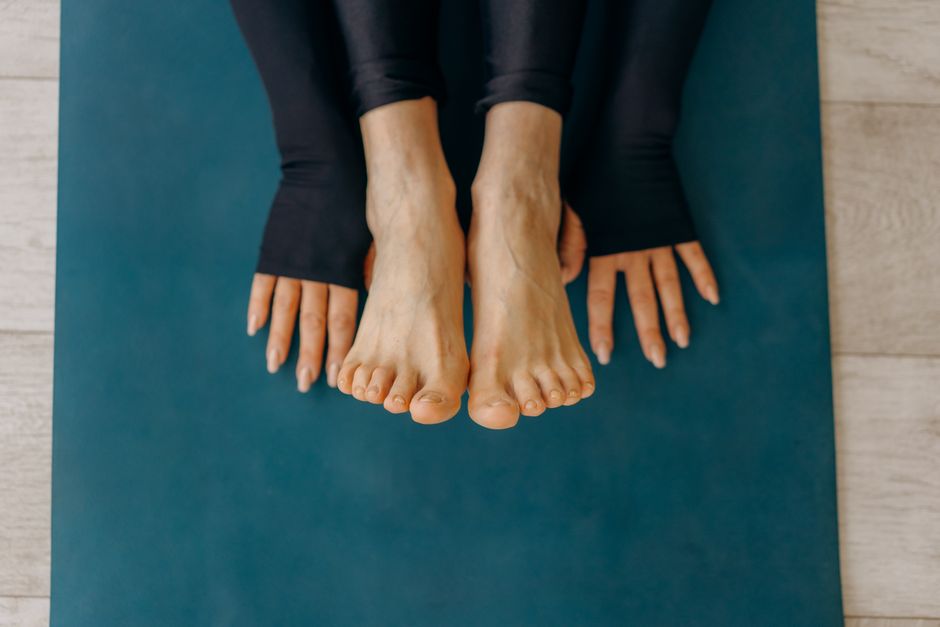
Swelling in the feet and ankles is usually fluid that has pooled in the lower legs, and the most reliable ways to prevent it are movement, elevation, and paying attention to salt and long periods of standing or sitting still. Gravity pulls fluid downward, and your calf muscles act as pumps that push it back up toward the heart. When you sit or stand without moving for hours, that pump stops working. The single most effective habit is to keep those muscles active and to put your feet up when you can.
Some swelling is a normal response to heat, long travel, or a day on your feet. Other swelling is a signal from the heart, kidneys, liver, or veins that needs medical attention. Knowing the difference matters more than any single remedy.
Why Do Feet And Ankles Swell In The First Place?
Fluid collects in the feet when the balance between pressure in your blood vessels and the pull of proteins that hold fluid inside them tips toward leakage. In healthy people, this happens most often because of gravity and stillness.
Blood carries fluid and nutrients to your tissues. Most of that fluid returns to the veins and gets pushed back up by the muscles in your legs. Veins have one-way valves that keep blood moving upward. When you stand or sit for a long time, blood pools, pressure rises in the small vessels, and some fluid leaks into surrounding tissue. That is edema.
Heat makes it worse because blood vessels widen to release heat, which raises pressure in the capillaries. That is why ankles swell more on hot days and during summer travel. Pregnancy, older age, and being overweight all increase the tendency because of changes in vein pressure and tissue compliance.
Some causes are not benign. Heart failure, kidney disease, liver disease, and venous insufficiency all produce swelling. So can blood clots in the leg, which is a medical emergency. A blood clot usually affects one leg, comes on suddenly, and may be warm and painful. Swelling that is one-sided, sudden, or painful should be evaluated promptly rather than managed at home.
How To Prevent Swelling In Feet What Actually Helps?
The measures with the clearest physiological basis are movement, elevation, and compression. Each one addresses the same underlying problem: fluid pooling because it is not being pushed back up.
Movement is the foundation. Every time your calf muscles contract, they squeeze the veins and push blood toward the heart. Even small movements help. Ankle circles, toe curls, and flexing your feet while seated keep the pump working. On long flights or drives, getting up to walk every hour or so is one of the most effective things you can do.
Elevation uses gravity in your favor. Raising your feet above the level of your heart lets fluid drain back into the larger veins. For prevention, propping your legs on a stool or pillows for short periods during the day helps. The higher the feet, the more effective the drainage.
Compression applies gentle pressure from the outside to keep fluid from leaking into tissue and to help veins push blood upward. Compression socks and stockings are widely used for travel and for people with venous insufficiency. The evidence is strongest for people with existing vein problems and for preventing swelling during long flights. For healthy people with mild occasional swelling, the benefit is smaller but real.
Compression garments come in different pressure levels. Higher pressures are not automatically better, and improper fit can restrict circulation. People with peripheral artery disease or significant heart disease should talk to a clinician before using compression, because it is not appropriate for everyone.
Does Salt Actually Make Swelling Worse?
Sodium makes your body hold onto water. When you eat more salt than your body needs, the kidneys retain fluid to keep sodium concentration balanced, and that extra fluid increases blood volume and pressure. For people sensitive to salt, this shows up as swelling.
Salt sensitivity varies a lot between people. Some people swell noticeably after a salty meal; others do not. People with heart failure, kidney disease, or high blood pressure are generally more sensitive and are often advised to limit sodium. The general dietary guidance for most adults is to keep sodium below the limits set in national dietary guidelines, which is a reasonable target for reducing fluid retention.
Cutting back on processed foods is often more effective than avoiding the salt shaker. Most dietary sodium comes from packaged and restaurant food, not from what you add at the table.
What About Heat, Travel, And Long Periods Of Standing?
Heat and prolonged stillness are two of the most common triggers, and both respond well to simple countermeasures.
In hot weather, blood vessels dilate to release heat, which increases capillary pressure and fluid leakage. Staying cool, avoiding long stretches in the sun, and elevating your feet when you can all help. Some people notice swelling is worse in the evening after a hot day, which fits this pattern.
Long travel is a special case. Sitting in a car or plane for hours keeps the calf pump idle while gravity pulls fluid down. The practical steps that help:
- Get up and walk every hour or so when possible
- Do ankle circles and foot flexes while seated
- Wear loose clothing around the waist and legs
- Consider compression socks for long flights, especially if you have vein problems
- Stay hydrated, since dehydration can make the body retain fluid
Jobs that require standing all day are another common cause. Shifting weight, flexing the calves, and taking walking breaks help. So does elevating the feet during breaks and after work.
When Should Swelling In The Feet Worry You?
Swelling that comes on suddenly, affects one leg, or is painful needs prompt medical attention. So does swelling accompanied by shortness of breath, chest pain, or a rapid weight gain over a few days.
Signs that warrant a call to a clinician include:
- Swelling in one leg only, especially if sudden or painful
- Swelling that does not improve with elevation and rest
- Swelling with shortness of breath or difficulty breathing when lying flat
- Swelling with chest pain or palpitations
- Swelling that spreads up the leg or is accompanied by redness and warmth
- New swelling in someone with known heart, kidney, or liver disease
Bilateral swelling that is mild and improves overnight is often benign. Swelling that persists, worsens, or comes with other symptoms deserves evaluation. The distinction matters because the causes range from harmless to serious, and home measures do not treat the underlying condition.
Do Diuretics And Supplements Help Prevent Swelling?
Diuretics are prescription medications that increase urine output, and they are used for specific conditions such as heart failure. They are not appropriate for routine prevention of mild swelling in healthy people, and using them without medical supervision can cause dehydration and electrolyte problems.
Supplements marketed for swelling have limited evidence. Some small studies have looked at horse chestnut extract for chronic venous insufficiency, and it is used in some countries for that purpose, but it is not a substitute for medical evaluation and can interact with medications. The evidence for most other supplements promoted for fluid retention is weak or absent. No clinical evidence currently confirms that these products prevent swelling in healthy people.
If swelling is frequent or bothersome, the more useful step is to find out why. A clinician can assess heart, kidney, vein, and medication-related causes, and treatment depends on which one is present.
Frequently Asked Questions
Does drinking more water help prevent swollen feet?
Staying hydrated supports normal fluid balance, and dehydration can actually prompt the body to retain fluid. It is not a standalone remedy for swelling, but adequate fluid intake is part of general health.
Are compression socks safe to wear every day?
For most healthy people, well-fitted compression socks are safe for daily use during travel or long standing. People with peripheral artery disease or significant heart disease should check with a clinician first, because compression is not appropriate for everyone.
Can swelling in the feet be a sign of something serious?
Yes. Sudden one-sided swelling can indicate a blood clot, and swelling with shortness of breath can signal heart failure. Swelling that is sudden, painful, one-sided, or accompanied by breathing problems should be evaluated promptly.
Does elevating your feet really reduce swelling?
Yes. Raising your feet above heart level lets gravity drain pooled fluid back toward the larger veins. It works best when done regularly and combined with movement.
