
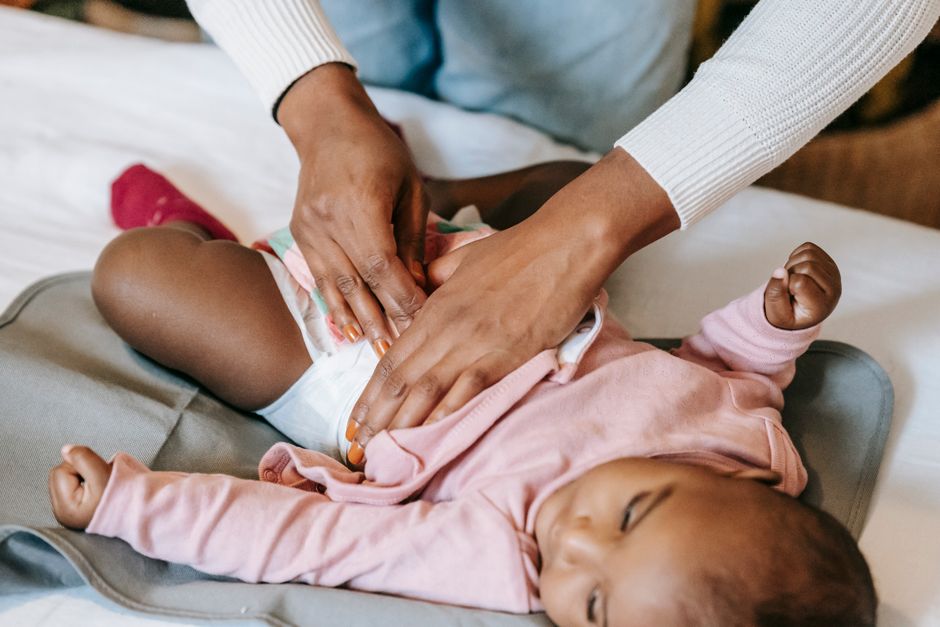
Shaken baby syndrome is a severe form of abusive head trauma. It happens when an infant or young child is shaken violently, usually out of frustration or anger during a crying episode. The prevention is simple to state and hard to practice: never shake a baby, and have a plan ready for the moment you feel you are losing control.
Caregivers prevent it by putting the baby down safely in a crib whenever frustration builds, walking away to calm down, and never handling a baby while angry. Support from a partner or another adult, plus knowing that crying is normal and not a sign of a bad parent, lowers the risk further.
What Actually Happens When a Baby Is Shaken?
An infant’s neck muscles are weak and the head is large and heavy relative to the body. When a baby is shaken, the head whips back and forth with force.
The brain moves inside the skull. Blood vessels between the brain and the skull can tear. This can cause bleeding around the brain, bleeding behind the eyes, and brain swelling. In severe cases it leads to permanent brain damage or death.
This is not the same as bouncing a baby gently on your knee or the jostling that happens during normal play. Those everyday movements do not generate the violent rotational force involved in abusive head trauma. The injury requires a forceful, repeated shaking motion.
Abusive head trauma is the leading cause of serious head injury in infants, according to pediatric medical organizations. It most often affects babies under one year old. Crying is the most common trigger. The peak period for infant crying — roughly the first few months of life — overlaps closely with the peak risk period.
Why Does Crying Trigger So Many Cases?
Infant crying is designed to be hard to ignore. It is a biological signal that compels a response. That same design can push an exhausted caregiver to the edge.
Many parents do not know that crying often peaks around six to eight weeks of age and can last for hours with no obvious cause. When a baby will not stop crying, a caregiver may believe something is wrong with the baby or with their own caregiving. Neither is usually true.
This mismatch between expectation and reality is a real risk factor. A caregiver who expects a baby to soothe easily and instead faces hours of screaming is more likely to feel helpless and then angry. Understanding that prolonged, unexplained crying is normal in early infancy removes some of that pressure.
Some research suggests that caregivers who are taught about normal infant crying and the danger of shaking are less likely to shake a baby. Education alone is not a complete solution, but it helps.
How To Prevent Shaken Baby Syndrome For Caregivers: Practical Steps
The core prevention step is a simple rule: if you feel frustrated or angry, put the baby down and step away. A baby left safely in a crib will not be harmed by crying for a few minutes while you calm down.
Here are the practical steps that reduce risk in real situations:
- Put the baby down safely. Place the infant on their back in a crib or bassinet, then leave the room for a few minutes to breathe. This is always safer than handling a baby while angry.
- Take a break before you reach your limit. Do not wait until you are furious. Notice early signs of frustration — clenched jaw, racing thoughts, raised voice — and act on them.
- Call someone. Phone a partner, friend, or family member and say you need a break. Having another adult take over, even briefly, can defuse a dangerous moment.
- Build a support plan before the baby arrives. Line up people who can step in. Sleep deprivation and isolation make frustration harder to manage.
- Check your own state. If you are exhausted, hungry, or overwhelmed, your tolerance drops. Address those needs when you can.
- Never handle a baby during an argument. Hand the baby to another adult first if one is present.
These steps work because they interrupt the moment before it becomes dangerous. The goal is not to be a perfect caregiver. It is to have a safe exit ready when the pressure builds.





What Should You Tell a Babysitter or Family Member?
Anyone who cares for an infant needs to know the same rule: never shake the baby, and put the baby down if frustrated. Do not assume they already know.
When you leave a baby with a sitter, relative, or new partner, say it plainly. Tell them what to do when the baby will not stop crying. Show them the crib. Make clear that leaving the baby to cry safely for a few minutes is acceptable and far better than shaking.
It also helps to tell them how long you will be gone and how to reach you. A caregiver who feels unsupported and alone with a screaming infant is at higher risk. A caregiver who knows they can call you is not.
This conversation matters most with young or inexperienced caregivers, and with anyone who has a history of anger control problems. Be direct. The subject is uncomfortable, but the conversation is brief and the stakes are high.
What Are the Warning Signs of Abusive Head Trauma?
Signs of abusive head trauma can be subtle and easy to miss. They include extreme irritability, poor feeding, vomiting, lethargy, and a baby who is unusually quiet or difficult to wake.
More serious signs include seizures, difficulty breathing, unequal pupil size, and loss of consciousness. Bruising, swelling, or a bulging soft spot on the head may also appear.
If you see any of these signs in a baby who was recently shaken or handled roughly, seek emergency medical care immediately. Do not wait to see if it improves. Call emergency services.
One important point: a baby with abusive head trauma may show no visible external injuries. The damage can be entirely internal. A baby who seems “fine” after being shaken is not necessarily fine. Medical evaluation is the only way to know.
What If You Are the One Who Feels Like Shaking?
Having the urge to shake a crying baby does not make you a bad parent. It makes you a human being under extreme stress. What matters is what you do next.
Put the baby down. Step out of the room. Take slow breaths. Splash cold water on your face. Call someone. Do whatever it takes to reset before you pick the baby up again.
If these feelings are frequent, intense, or hard to control, talk to a doctor or mental health professional. Postpartum depression, postpartum anxiety, and other conditions can make frustration harder to manage. These are treatable, and getting help protects both you and the baby.
No caregiver should feel ashamed of needing support. Asking for help is a prevention step, not a failure.
Frequently Asked Questions
Can picking up a baby quickly cause shaken baby syndrome?
No. Lifting, bouncing, or playing gently with a baby does not cause shaken baby syndrome. The injury requires forceful, repeated shaking with rotational force, not ordinary handling.
Is it safe to let a baby cry while I calm down?
Yes. Placing a baby safely on their back in a crib and stepping away for a few minutes is safer than handling the baby while angry or frustrated. The baby may cry, but crying alone does not cause harm.
At what age is a baby most at risk of shaken baby syndrome?
Risk is highest in babies under one year old, especially in the first few months when crying peaks. Infants have weak neck muscles and large heads, which makes them more vulnerable to injury.
What should I do if I think a baby has been shaken?
Seek emergency medical care immediately, even if the baby seems fine. Signs like vomiting, extreme sleepiness, seizures, or difficulty breathing require urgent evaluation. Internal injuries may not be visible.
