

Postpartum hair loss is a normal and temporary condition that happens to most new mothers. It typically begins about two to four months after giving birth and can last for several months. You cannot completely stop this shedding, but you can protect your hair and support regrowth with gentle care and good nutrition.
Why Does Hair Fall Out After Pregnancy?
During pregnancy, high estrogen levels keep hair in the growing phase longer. Most pregnant women lose less hair than usual, which is why hair often looks thick and full. That extra hair is a temporary bonus, not a permanent change.
After delivery, estrogen levels drop back to normal. The hair that was held in the growing phase now shifts into the resting phase all at once. About two to four months postpartum, this hair sheds in large amounts. This condition is called telogen effluvium.
This is not true hair loss in the sense of permanent balding. It is a synchronized shedding of hair that should have fallen out months earlier. The process is self-limiting. Your hair cycle returns to normal on its own.
How Long Does Postpartum Shedding Last?
The heavy shedding usually peaks around the fourth month after birth. Most women notice the shedding slows down significantly by six months postpartum. By the time your baby is one year old, your hair should look and feel much closer to its pre-pregnancy state.
Some women notice a longer period of shedding, especially if they are breastfeeding or under significant stress. This does not mean something is wrong. It just means the hair cycle is taking a bit longer to reset.
Hair regrowth is happening at the same time as the shedding. You may notice short, wispy hairs along your hairline. These are new hairs growing in. This is a good sign that the cycle is working correctly.
How to Prevent Postpartum Hair Loss: What Actually Works
The honest answer is that you cannot prevent the shedding itself. The hair was going to fall out regardless. What you can do is protect the hair you have and create the best conditions for regrowth.
Gentle handling is the most effective strategy. Hair that is shedding is fragile at the root. Avoid tight ponytails, buns, braids, or any style that pulls on the scalp. These styles can pull out hair that is already loose and can cause additional breakage.
Use a wide-tooth comb instead of a brush. Brush your hair only when it is dry. Wet hair is more elastic and breaks more easily. If you must detangle wet hair, use a leave-in conditioner and work from the ends upward.
Minimize heat styling. Blow dryers, curling irons, and straighteners weaken the hair shaft. When the hair is already shedding, this extra stress can make the hair look thinner and more damaged. Let your hair air dry when you can.
Consider a shorter haircut. This does not stop shedding, but it makes the transition less noticeable. Shorter hair shows less breakage and looks fuller than long, thin strands.



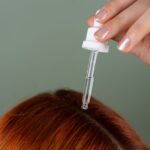

Nutrition and Supplements for Hair Regrowth
Your hair needs protein, iron, and certain vitamins to grow. After birth, your nutrient stores may be depleted, especially if you had heavy bleeding during delivery or if you are breastfeeding.
A balanced diet is the foundation. Include foods rich in protein such as eggs, lean meat, beans, and dairy. Iron is important because low iron levels are linked to hair shedding. Good sources include red meat, spinach, and lentils. If you are vegetarian, pair iron-rich plant foods with vitamin C to improve absorption.
Biotin is often marketed for hair growth. The evidence for biotin supplements in healthy people is limited. Biotin deficiency is rare, and taking extra biotin has not been shown to prevent or stop postpartum shedding. A prenatal vitamin that contains biotin is usually sufficient.
Some research suggests that low vitamin D levels are associated with hair shedding. It is reasonable to have your vitamin D level checked if you are concerned. Do not take high doses without talking to your doctor first.
No supplement has been proven to stop postpartum hair loss. Be cautious of products that promise to prevent shedding. The shedding is hormonal, not nutritional. Supplements support regrowth at best, they do not stop the loss.
When Should You See a Doctor?
Postpartum hair loss is normal, but it can sometimes signal an underlying issue. If the shedding continues beyond a year, that is a reason to check in with your doctor. Persistent shedding may indicate a thyroid problem, iron deficiency, or another condition.
Watch for other symptoms. Severe fatigue, cold intolerance, weight changes, or brittle nails alongside hair loss can point to thyroid dysfunction. These symptoms deserve a medical evaluation.
If you notice bald patches or scaly spots on your scalp, this is not typical postpartum shedding. This could indicate alopecia areata or a fungal infection. Both require medical treatment.
Your doctor can run simple blood tests to check your thyroid, iron, and vitamin levels. These tests are routine and can identify whether something treatable is contributing to the shedding.
Myths About Postpartum Hair Loss
One common myth is that cutting your hair makes it grow back thicker. Cutting hair does not change the follicle or the growth rate. It only removes the damaged ends. The hair will grow at the same speed it always has.
Another myth is that frequent washing causes more hair to fall out. Shampooing does not cause hair loss. It only collects the hair that was already loose. If you wash less often, you will see less hair in the drain, but you will see more when you brush. The total amount shed is the same.
Some products claim to “rebalance” hormones to stop shedding. No topical product can meaningfully change your systemic hormone levels. These claims are not supported by clinical evidence.
Collagen supplements are popular for hair health. The research on collagen for hair growth is early and mixed. Some small studies suggest benefits, but larger trials have not confirmed this. It is not harmful to take collagen, but it is not a proven treatment for postpartum shedding.
What About the Next Pregnancy?
If you plan to have another child, expect a similar pattern. Postpartum hair loss is driven by the hormonal shift after delivery. It happens with each pregnancy, regardless of how you cared for your hair the first time.
The good news is that the pattern is predictable. You know what to expect. You can prepare by keeping your hair healthy during pregnancy, eating well, and planning for the shedding phase after birth.
There is no evidence that having postpartum hair loss once means it will be worse the second time. Each pregnancy is different. The shedding is typically comparable in severity.
Emotional Impact and Realistic Expectations
Losing clumps of hair can be distressing. It is normal to feel upset when you see handfuls of hair in the shower. Remind yourself that this is temporary and that you are not going bald.
Photograph your hair now so you can compare it in six months. This can help you see the regrowth that is happening slowly. The improvement is gradual and easy to miss day to day.
If the emotional impact is significant, talk to your doctor. Postpartum depression and anxiety are common, and hair loss can add to the stress. A doctor can help you sort out what is hormonal, what is situational, and what may need support.
Frequently Asked Questions
Can I stop postpartum hair loss completely?
No, you cannot stop the shedding because it is driven by the natural drop in estrogen after birth. You can reduce breakage and support regrowth with gentle hair care and good nutrition.
What vitamins should I take for postpartum hair loss?
Iron and vitamin D are the most relevant nutrients if you have a deficiency, but no supplement is proven to stop postpartum shedding. A standard prenatal vitamin is usually enough for most women.
When does postpartum hair loss stop?
Heavy shedding typically peaks around four months after birth and slows significantly by six months. Most women see their hair return to normal by the baby’s first birthday.
Is postpartum hair loss a sign of a thyroid problem?
Usually not, but persistent shedding beyond a year or shedding with fatigue, weight changes, or cold intolerance should be checked. A simple blood test can rule out thyroid or iron issues.
