
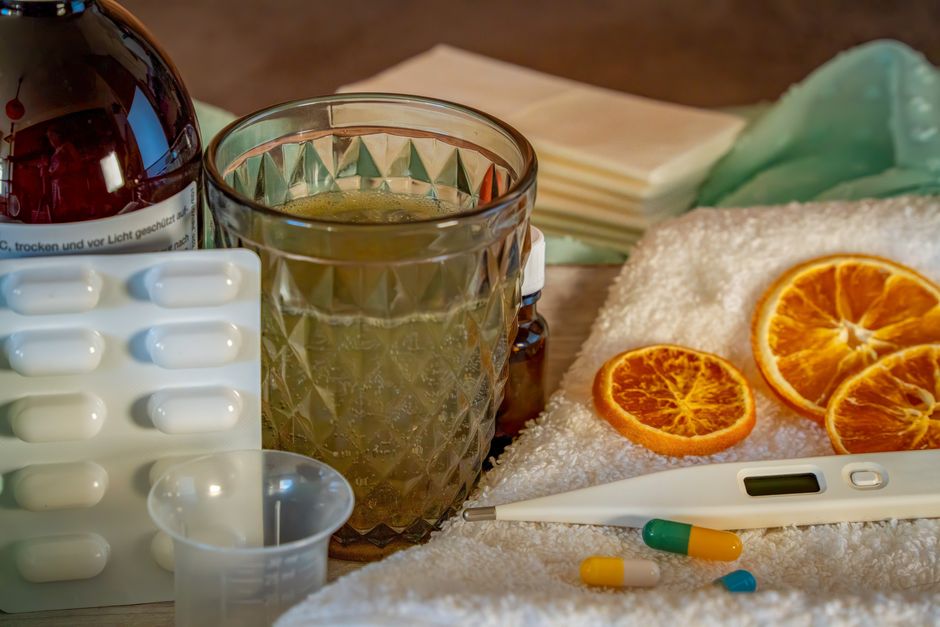
When you are already sick, your airways are inflamed and your defenses are worn down. That combination makes it easier for bacteria and viruses to settle deep in the lungs. The most effective steps are ordinary ones: keep your hands clean, stay hydrated, manage fever carefully, and watch your breathing closely so you can get help early if it changes. Most people who are already ill will not develop pneumonia, but knowing what raises the risk helps you act before a mild illness turns into something worse.
How To Prevent Pneumonia When You’re Already Sick
The single most useful thing you can do is protect your lungs from new infections while your body is busy fighting the first one. Pneumonia happens when germs reach the air sacs deep in the lungs and the tissue becomes inflamed and fills with fluid or pus. When you are already sick, that path is shorter than usual.
Here is what the evidence actually supports:
- Wash your hands often. Hand hygiene is one of the few measures with strong evidence for reducing respiratory infections. Soap and water or an alcohol-based sanitizer both work.
- Drink enough fluids. Staying hydrated helps keep mucus thin so it can be coughed out. Thick mucus that sits in the airways is easier for bacteria to colonize.
- Do not smoke, and stay away from smoke. Smoke damages the tiny hair-like structures called cilia that sweep debris out of your airways. When cilia stop working, germs stay put.
- Use a humidifier if the air is dry. Dry air can irritate airways and thicken mucus. Keep the device clean, because a dirty humidifier can spread germs rather than help.
- Sleep propped up if you are congested. Raising your head slightly can help drainage and make breathing more comfortable.
- Keep your distance from people who are actively sick. You are more vulnerable to a second infection while your immune system is already working.
None of these steps is a guarantee. They lower the odds. That distinction matters, because no home measure has been shown to reliably prevent pneumonia in someone who is already ill.
Why Does Being Sick Make Pneumonia More Likely?
Your airways have layers of defense. Mucus traps particles. Cilia move that mucus upward so you can cough it out. Immune cells in the lung tissue attack anything that gets past those barriers. A respiratory illness disrupts all three.
Inflammation makes the airways swollen and narrow. Mucus production increases and often becomes thicker. Cilia can be temporarily damaged, especially after a viral infection. At the same time, your immune system is spending energy fighting the original illness, which can leave it less able to respond to a second invader.
This is why pneumonia so often follows something else. Viral infections like influenza and respiratory syncytial virus are well-documented precursors to bacterial pneumonia. The virus weakens local defenses, and bacteria that normally live harmlessly in the nose and throat move down into the lungs. This sequence is called secondary bacterial pneumonia, and it is one of the better-understood patterns in respiratory medicine.
What Symptoms Mean It Is Turning Into Pneumonia?
Pneumonia has a recognizable pattern, and it usually differs from a routine cold or flu in intensity and direction. The key signal is that you were getting better and then got worse, or that your breathing itself changed.
Watch for these signs:
- Fever that returns or spikes higher after several days of improvement
- Productive cough with yellow, green, or bloody mucus
- Shortness of breath at rest or with mild activity that did not bother you before
- Chest pain that worsens when you breathe in deeply or cough
- Rapid breathing or a feeling that you cannot get enough air
- Chills or shaking
- Confusion or unusual drowsiness, especially in older adults
Older adults deserve special mention. In people over 65, pneumonia sometimes shows up without a high fever. Confusion, weakness, or a sudden drop in alertness can be the first sign. This is a well-documented pattern and a common reason pneumonia is missed early in older patients.
If any of these appear, contact a healthcare provider. This article is informational and cannot tell you whether you have pneumonia. Only an examination and, often, a chest X-ray can do that.



Does Sleep Position or Movement Help?
Changing position helps your lungs clear mucus, and this is a principle used in hospitals. Patients who cannot move on their own are regularly repositioned, partly to help prevent fluid from pooling and to reduce the risk of lung complications.
For someone sick at home, the practical version is simple. Do not lie flat in one position for hours. Sit up during the day when you can. Turn from side to side while resting. Take slow, deep breaths a few times an hour and cough gently if you feel mucus. These actions use gravity and movement to help your airways clear themselves.
The evidence that repositioning prevents pneumonia at home is limited. It is a reasonable, low-risk habit, but it is not a proven standalone prevention method. Think of it as supporting your lungs rather than shielding them.
When Should You See a Doctor?
See a healthcare provider promptly if your breathing is labored, if your lips or fingertips look bluish, if you have chest pain, or if a fever will not come down. These are signs that your body may not be getting enough oxygen, and they warrant urgent attention.
Do not wait to see if things improve on their own when breathing is involved. Pneumonia can progress quickly, and earlier treatment generally means a smoother recovery. This is especially true for people in higher-risk groups.
Groups at higher risk include adults over 65, very young children, people with chronic lung or heart disease, people with diabetes, and anyone with a weakened immune system. If you fall into one of these groups and you are already sick, a lower threshold for calling a provider makes sense.
Does Vaccination Still Matter If You Are Already Sick?
Vaccination is one of the best-supported ways to reduce pneumonia risk, but it works before you get sick, not after. The pneumococcal vaccines lower the risk of pneumonia caused by Streptococcus pneumoniae, which is a leading cause of bacterial pneumonia. Annual influenza vaccination reduces influenza, and by doing so reduces the pneumonia that often follows it.
If you are already ill, vaccination will not treat the current illness. It is still worth discussing with your provider for the future, because the protection builds over time and covers later exposures. Which vaccines are appropriate depends on your age and health history, so that is a conversation to have with a clinician rather than a decision to make from a general article.
What Does Not Work
A few popular ideas deserve an honest assessment.
Taking antibiotics “just in case” does not prevent pneumonia and can cause harm. Antibiotics treat bacterial infections. They do nothing for viral illnesses, and using them when they are not needed contributes to antibiotic resistance. They should be taken only when a clinician prescribes them for a confirmed or strongly suspected bacterial infection.
High-dose vitamin C, zinc, and similar supplements are widely marketed for respiratory protection. The evidence for preventing pneumonia with these products is weak or absent. Some studies suggest zinc may shorten the duration of a cold when taken early, but that is a different claim from preventing pneumonia. No supplement has been shown to reliably prevent pneumonia in someone who is already sick.
Steam and menthol rubs can make breathing feel easier by loosening mucus and soothing irritated airways. That is a comfort effect. There is no evidence they prevent pneumonia.
The honest summary is that the reliable steps are unglamorous: hand hygiene, hydration, avoiding smoke, rest, and paying attention to your breathing so you can get medical help early. Everything else is either supportive or unproven.
Frequently Asked Questions
Can you prevent pneumonia once you are already sick?
You can lower your risk, but you cannot guarantee prevention. Hand hygiene, hydration, avoiding smoke, and watching your breathing for early warning signs are the steps with the most support.
What are the first signs of pneumonia after a cold or flu?
A fever that returns or spikes after you were improving, a productive cough, and shortness of breath are the classic early signs. In older adults, confusion or sudden weakness can appear instead of a fever.
Should I take antibiotics to prevent pneumonia?
No. Antibiotics do not prevent pneumonia and do not treat viral illnesses, and unnecessary use contributes to antibiotic resistance. They should only be taken when a clinician prescribes them.
When should I go to the doctor for possible pneumonia?
Go promptly if you have labored breathing, chest pain, bluish lips or fingertips, or a fever that will not come down. These signs suggest your body may not be getting enough oxygen and need urgent attention.
