
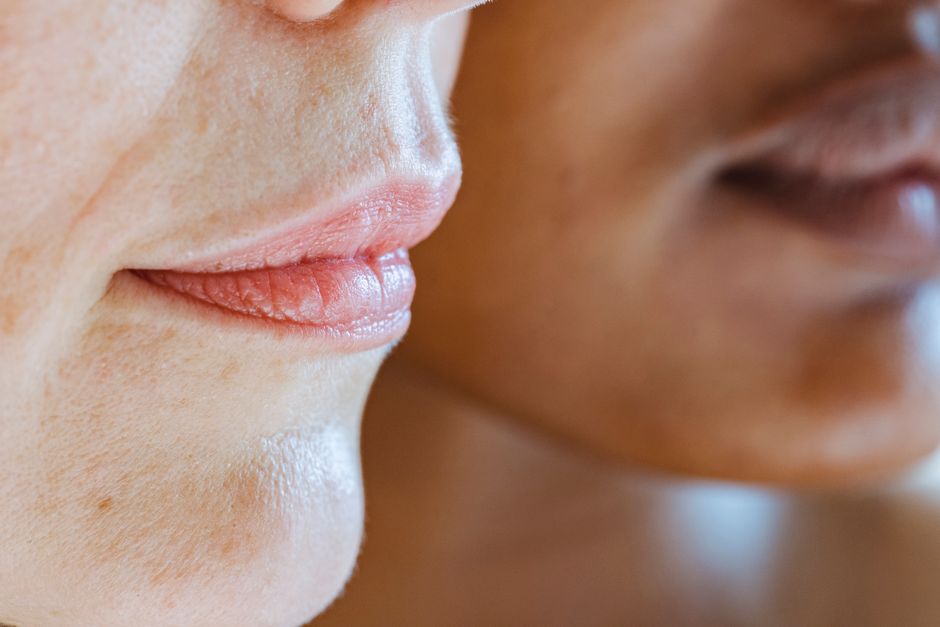
Nasolabial folds are the creases that run from the corners of your nose down to the corners of your mouth. You cannot prevent them from forming, because everyone develops them — they are a normal part of facial anatomy, not a defect. What you can do is slow how deep they become and protect the skin and facial structures that make them more visible.
What Causes Nasolabial Folds In The First Place?
These folds exist on every human face from birth. They are the boundary between your cheek area and your upper lip, and they deepen over time for a few well-understood reasons.
The main driver is loss of collagen and elastin in the skin. Collagen gives skin its structural support and elastin lets it snap back. Production of both declines with age, and sun exposure accelerates that decline. As the skin thins and loses elasticity, it sags into the crease that was already there.
Underneath the skin, the face changes too. Fat pads in the cheek area shift downward and lose volume. The underlying bone in the mid-face can also lose density over time. When the cheek loses volume, the tissue above the fold drops, making the crease look deeper even if the skin itself has not changed much.
Repeated muscle movement plays a role as well. The muscles around the nose and mouth contract thousands of times a day when you smile, talk, and eat. Over decades, that repeated folding contributes to a crease that becomes more fixed.
Genetics matter more than most people realize. Some people have prominent folds in their twenties because of the way their facial fat is distributed and how their cheekbones are shaped. Others have soft folds well into their sixties. If your parents have deep folds, you are more likely to develop them too.
How To Prevent Nasolabial Folds Sleep Diet And More
No single habit stops these folds. The realistic goal is to slow their progression by protecting skin structure and supporting the tissue underneath. Sleep position and diet are two of the few factors you can actually control.
Does Sleep Position Affect Nasolabial Folds?
Sleeping on your side or stomach presses your face into a pillow for hours every night. Over years, that repeated compression and friction can contribute to creases and asymmetry on the side you favor. This is sometimes called sleep creasing.
The evidence here is based mainly on observation and mechanical reasoning rather than large controlled trials. It is plausible and widely noted by dermatologists, but it has not been proven in rigorous long-term studies to directly cause deeper nasolabial folds. What is better established is that consistent pressure on one side of the face can create visible asymmetry over time.
If you want to reduce facial pressure during sleep, back sleeping is the most effective change. Silk or satin pillowcases reduce friction compared with rougher fabrics, though the benefit is modest. A pillow designed to cradle the face rather than press into it may help. None of these will erase existing folds.
Can Diet Slow Facial Aging?
Diet affects skin through several pathways, but no food prevents nasolabial folds specifically. What a good diet can do is support collagen formation and protect skin from the oxidative stress that breaks it down.
Protein provides the amino acids your body needs to build collagen. Vitamin C is required for collagen synthesis — without it, the body cannot form stable collagen. Foods rich in vitamin C include citrus, bell peppers, strawberries, and broccoli. Zinc and copper also play roles in skin repair.
Antioxidants from fruits and vegetables may help limit oxidative damage from UV exposure and pollution. Some research suggests that diets high in certain antioxidants are associated with fewer wrinkles, but these studies are observational and cannot prove cause and effect.
What appears to harm skin more reliably is the opposite pattern. Diets high in added sugar promote glycation, a process where sugar molecules attach to collagen and make it stiffer and more fragile. Some studies have linked higher sugar intake to more visible facial aging. Alcohol and smoking both damage skin structure and reduce blood flow.
There is no evidence that any specific food, supplement, or “collagen-boosting” drink prevents nasolabial folds. Collagen supplements are widely sold. Some small studies suggest they may improve skin elasticity and hydration, but results are mixed and the effect on deep structural folds is unproven.
What About Sun Protection?
This is the single most effective thing you can do. Ultraviolet radiation from the sun breaks down collagen and elastin faster than aging alone. Research consistently shows that people with more lifetime sun exposure have more wrinkles and deeper folds.
Daily sunscreen use is the best-supported prevention step. Broad-spectrum protection with an SPF of 30 or higher is the standard recommendation from dermatology organizations. Reapply when you are outdoors for extended periods. Sun protection also means hats, shade, and avoiding peak UV hours.
Smoking deserves its own mention. It reduces blood flow to the skin, damages collagen and elastin, and creates repetitive pursing motions around the mouth. Smokers tend to develop deeper facial lines earlier than non-smokers.
Do Facial Exercises And Massage Help?
Facial exercises and massage are popular, but the evidence is limited and the reasoning cuts both ways.
Some small studies suggest that facial exercise can improve muscle tone and may modestly improve the appearance of the face in older adults. However, these studies are short and few, and they do not specifically measure nasolabial fold depth.
There is a counterargument worth knowing. The nasolabial fold is partly created by repeated muscle movement. Exercising those muscles more could theoretically deepen the fold over time rather than soften it. This has not been settled by research.
Massage may temporarily reduce puffiness and improve circulation. Any smoothing effect is short-lived and reflects fluid movement, not a change in skin structure. Claims that massage permanently reduces folds are not supported by evidence.





Which Skincare Ingredients Have Real Evidence?
A few ingredients have meaningful research behind them. Many do not.
- Retinoids — prescription tretinoin and some over-the-counter retinol products have the strongest evidence for improving fine lines and skin texture by increasing cell turnover and supporting collagen. Effects on deep folds are modest.
- Vitamin C — topical vitamin C is an antioxidant that may protect against UV damage and support collagen. Evidence for wrinkle reduction is moderate.
- Niacinamide — supports the skin barrier and may reduce redness and uneven tone. Effect on folds is limited.
- Hyaluronic acid — holds water and plumps the skin surface temporarily. It does not change underlying structure.
- Peptides — some may support collagen, but evidence is weaker and varies by specific peptide.
Moisturizing keeps skin hydrated and can make fine lines look softer, but it does not stop folds from forming. No cream has been shown to erase an established nasolabial fold.
What Actually Reduces Existing Folds?
Prevention and correction are different goals. Once a fold is established, creams and lifestyle changes have limited effect. In-office procedures are the options that measurably change fold depth, though results vary and none are permanent.
Dermal fillers placed in the fold or in the cheek area can soften the crease by restoring volume. Results typically last several months to over a year depending on the product and the person. Risks include bruising, swelling, and rarely more serious complications from inadvertent vessel injection.
Energy-based treatments such as laser resurfacing and radiofrequency aim to stimulate collagen. They can improve skin texture and may modestly soften folds. Results are gradual and vary. Multiple sessions are often needed.
Thread lifts and surgical facelifts address sagging tissue more directly. A facelift produces the most dramatic and longest-lasting change, but it is a surgical procedure with real risks and recovery time.
These are medical decisions. A qualified dermatologist or plastic surgeon can explain what is realistic for your face.
The Bottom Line On Prevention
You cannot stop nasolabial folds from forming. They are part of normal facial anatomy. What you can do is protect the skin and tissue that make them deeper.
The habits with the most support are daily sun protection, not smoking, limiting added sugar and alcohol, eating enough protein and vitamin C, and getting adequate sleep. Back sleeping may reduce facial pressure if you can manage it. A consistent skincare routine with a retinoid and an antioxidant can improve overall skin quality.
Be skeptical of anything promising to prevent or erase these folds through diet, supplements, or facial exercises alone. The evidence does not support those claims. The honest position is that you can slow the process, not stop it — and that is true for everyone.
Frequently Asked Questions
Can nasolabial folds be prevented completely?
No. Everyone has nasolabial folds because they are a normal part of facial anatomy. You can slow how deep they become, but you cannot prevent them from existing.
Does sleeping on your back prevent nasolabial folds?
Back sleeping reduces the facial pressure and friction that side or stomach sleeping causes. This may help limit sleep-related creasing, but it has not been proven in long-term studies to prevent nasolabial folds specifically.
Do collagen supplements get rid of nasolabial folds?
No. Some small studies suggest collagen supplements may improve skin elasticity and hydration, but there is no evidence they reduce deep structural folds.
What is the most effective way to prevent deep nasolabial folds?
Daily broad-spectrum sunscreen with SPF 30 or higher is the best-supported step, since UV exposure breaks down collagen faster than aging alone. Not smoking and limiting added sugar also help protect skin structure.
