
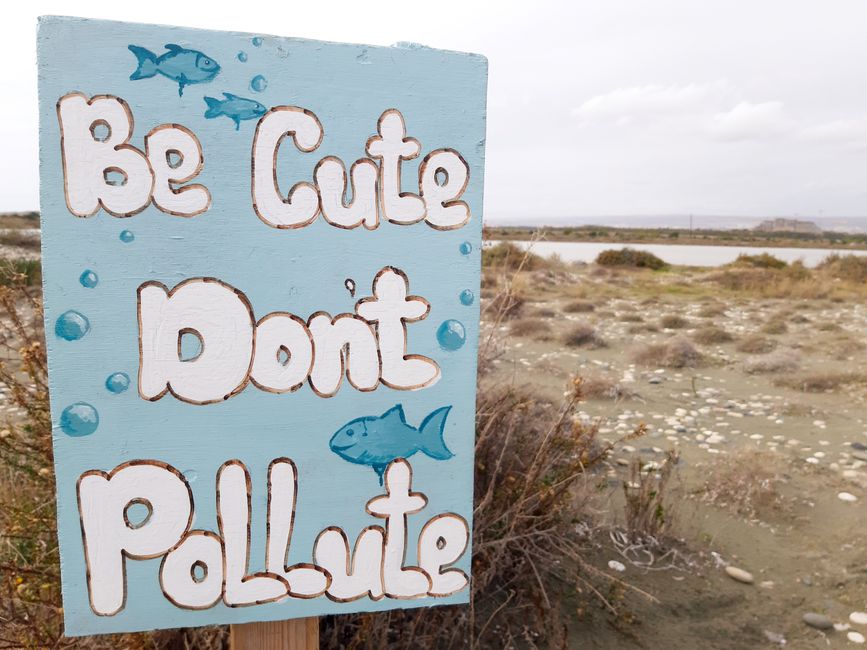
Most of the plastic, chemicals, and nutrients that end up in the ocean start on land — in our homes, farms, and streets. Preventing marine pollution at the source means stopping these pollutants before they ever reach a storm drain, river, or coastline. The most effective actions are reducing single-use plastics, properly disposing of household chemicals and medications, limiting fertilizer and pesticide runoff, and supporting wastewater systems that treat sewage before it flows into waterways.
How To Prevent Marine Pollution At The Source
Source prevention works because most marine debris and chemical pollution follow predictable paths from land to sea. A plastic bottle dropped on a sidewalk can wash into a storm drain within minutes. That drain often empties directly into a local creek or river with no treatment at all. From there, the journey to the ocean is usually just a matter of time and current.
This is the key difference between source prevention and cleanup. Beach cleanups remove trash that has already arrived. Source prevention stops it from leaving your property in the first place. Both matter, but prevention addresses the problem when it is still small and controllable.
Three pathways carry most land-based pollution to the ocean:
- Stormwater runoff — rain washing over streets, lawns, and parking lots, carrying oil, fertilizer, pet waste, and litter into drains
- Wastewater — sewage and household chemicals that enter waterways through treatment plants, septic systems, or direct dumping
- Airborne deposition — industrial emissions and burned waste that settle onto land and water
Stormwater is the largest single pathway for many pollutants. Unlike sewage, stormwater in most US cities receives no treatment before it reaches rivers and coastal waters.
Why Does Reducing Single-Use Plastic Matter Most?
Plastic is the most visible and persistent form of marine pollution. Research consistently shows that plastic debris makes up the majority of marine litter by count in most surveyed ocean regions. It does not biodegrade in any meaningful timeframe. It fragments into smaller pieces called microplastics, which are now found in seawater, sea ice, marine sediment, and the bodies of fish and shellfish.
The source of this plastic is overwhelmingly land-based. Estimates suggest that a large share of ocean plastic enters through rivers, which act as conveyor belts carrying waste from inland areas to the sea. This means a plastic bag used in a landlocked city can still end up in the ocean.
Reducing single-use plastic at the source means choosing reusable bags, bottles, and containers, and refusing items designed to be used once and thrown away. It also means supporting deposit-return systems and container recycling programs where they exist. These systems measurably increase recovery rates compared with standard curbside recycling alone.
One important clarification: recycling is not a complete solution. A significant portion of plastic placed in recycling bins is never actually recycled, due to contamination, lack of processing capacity, or the economics of low-value plastics. Reduction comes before recycling in the waste hierarchy for a reason.
How Do Household Chemicals And Medications Reach The Ocean?
Household chemicals reach the ocean through drains, toilets, and improper disposal. Paint, solvents, pesticides, motor oil, and cleaning products poured down a sink or storm drain can travel through waterways with little or no treatment. Even products flushed down a toilet may pass through a wastewater plant that is not designed to remove them.
Pharmaceuticals are a specific concern. Wastewater treatment plants are built to handle biological waste and some nutrients, but they are not designed to break down most medications. Studies have detected traces of prescription drugs, hormones, and personal care products in rivers, estuaries, and coastal waters. The effects on marine organisms are an active area of research, and the evidence for harm varies by substance.
What individuals can do at the source:
- Take unused or expired medications to a drug take-back program or pharmacy collection site rather than flushing them
- Use hazardous waste collection days for paint, solvents, and pesticides
- Choose non-toxic cleaning products where practical
- Never pour anything down a storm drain — in most systems it leads untreated to a waterway
The storm drain point is worth repeating because many people assume storm drains connect to the sewer system. In most US municipalities, they do not. What goes in comes out in the nearest creek or river.





What Role Do Fertilizers And Pesticides Play?
Fertilizer and pesticide runoff is one of the most significant sources of chemical pollution reaching coastal waters. When excess nitrogen and phosphorus wash off lawns and farm fields, they fuel explosive growth of algae in rivers, bays, and coastal zones.
This process is called eutrophication. The algae bloom, then die, and their decomposition consumes oxygen from the water. The result is a low-oxygen zone — sometimes called a dead zone — where fish and shellfish cannot survive. These zones form seasonally in many coastal areas, including parts of the Gulf of Mexico and Chesapeake Bay.
Preventing this at the source means applying fertilizer only when and where it is needed. Soil testing can tell you whether your lawn actually needs added nutrients, since many established lawns need little to none. Other practical steps include:
- Using slow-release or organic fertilizers that are less likely to wash away
- Avoiding fertilizer application before heavy rain
- Leaving a buffer of unfertilized vegetation along the edges of streams and ponds
- Planting native species that need less water, fertilizer, and pesticide
- Keeping lawn clippings and leaves out of storm drains and gutters
On agricultural land, the same principles apply at larger scale. Cover crops, buffer strips, and precision application of nutrients are established practices that reduce runoff. Their effectiveness varies by soil, slope, and climate.
How Does Wastewater And Sewage Fit Into The Picture?
Untreated or partially treated sewage is a direct source of marine pollution. It carries pathogens, nutrients, plastics, and chemicals into waterways. In the US, the Clean Water Act regulates how much pollution can be discharged into waterways, and most municipal sewage in the country receives at least primary and secondary treatment.
But treatment is not uniform. Combined sewer systems — found in many older cities — carry both sewage and stormwater in the same pipes. During heavy rain, these systems can overflow and release untreated sewage directly into rivers and coastal waters. Reducing this at the source means supporting infrastructure investment in separating or upgrading these systems.
For individuals, the source-level actions are straightforward. Do not flush wipes, fats, oils, or grease down the toilet or drain, since these clog systems and increase the risk of overflows. Fix leaks and reduce water use, because less water entering the system means less stress on treatment capacity. Keep septic systems maintained and pumped on a regular schedule, since failing septic systems leach nutrients and pathogens into groundwater and nearby waterways.
What About Plastic Pellets And Industrial Sources?
Not all marine pollution comes from households. Industrial plastic pellets, sometimes called nurdles, are small raw plastic beads used to make plastic products. They are a documented source of marine pollution when spilled during transport or handling. These pellets are frequently found on beaches and in the digestive tracts of seabirds and fish.
Preventing this at the source is largely a matter of industrial practice and regulation. Some companies and ports have adopted containment and cleanup protocols to reduce pellet loss. The effectiveness of these voluntary measures varies, and stronger regulatory requirements have been proposed in some jurisdictions.
For consumers, there is an indirect lever. Supporting companies that use responsible handling practices and reducing overall plastic demand both reduce the volume of pellets that need to be produced and transported in the first place.
Can Individual Actions Really Make A Difference?
Individual actions reduce pollution at the source, but their impact depends on scale. One person refusing a plastic bag has a small effect. Millions of people doing it changes the amount of plastic that enters the waste stream, and that is where the measurable change happens.
It is also honest to note that individual action alone cannot solve marine pollution. The largest sources are industrial and agricultural, and they require policy, regulation, and infrastructure change. But source prevention at the household level is real, it is within reach, and it reduces the load that treatment systems and waterways have to absorb.
The most effective individual actions, based on the pathways described above, are reducing single-use plastic, properly disposing of chemicals and medications, limiting fertilizer and pesticide runoff, and keeping waste out of storm drains. These are not symbolic gestures. They directly interrupt the routes by which land-based pollution reaches the ocean.
Frequently Asked Questions
What is the single biggest source of marine pollution?
Land-based sources account for the majority of marine pollution, with stormwater runoff and plastic waste being the largest contributors. Industrial and agricultural runoff also carry significant nutrient and chemical loads into coastal waters.
Does flushing medication really harm the ocean?
Wastewater treatment plants are not designed to remove most pharmaceuticals, so traces can pass through into waterways and eventually reach coastal waters. Drug take-back programs are the recommended disposal method for unused or expired medications.
Do storm drains lead to the ocean?
In most US cities, storm drains empty directly into local creeks, rivers, or coastal waters without any treatment. This is why anything entering a storm drain should be treated as if it is going straight into a waterway.
How does fertilizer cause ocean dead zones?
Excess nitrogen and phosphorus in runoff fuel algae blooms, and when the algae die and decompose, they consume oxygen from the water. This creates low-oxygen zones where fish and shellfish cannot survive.
