
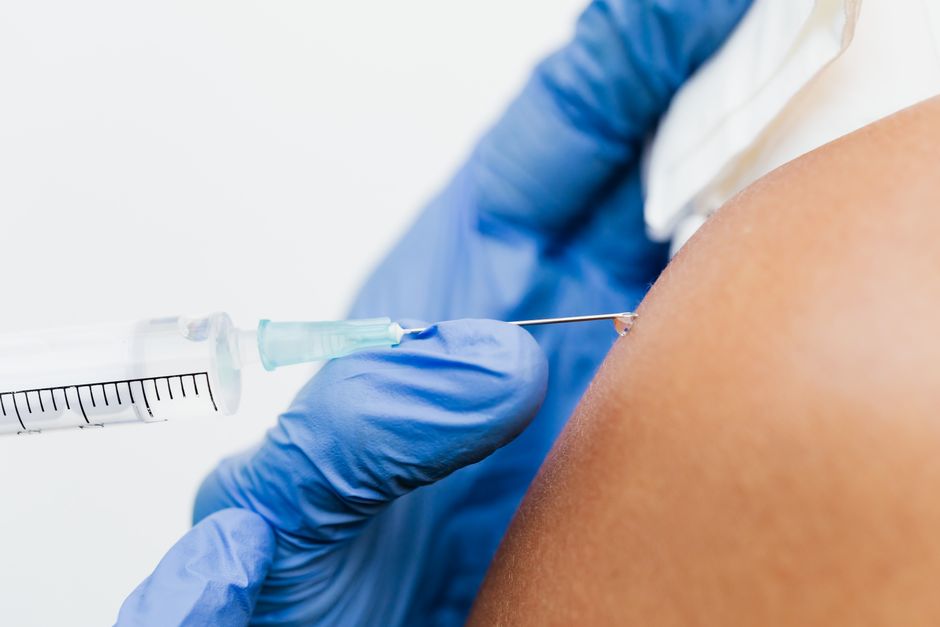
Injection bruising is common, but you can reduce it. The most effective steps happen before your shot: hydrate well, avoid blood-thinning medications and supplements, and tell your clinician about your bruising history. After the injection, apply firm pressure for several minutes, keep the site still, and skip strenuous activity for a few hours. These steps do not eliminate bruising entirely, but they meaningfully reduce how often it happens and how severe it looks.
Why Do Injections Cause Bruises?
A bruise forms when small blood vessels break and leak blood into the tissue under the skin. Needles can nick these vessels during insertion. The size of the bruise depends on the needle, the injection site, and how your body handles blood clotting.
Some people bruise more easily than others. This is often genetic. It can also relate to medications, supplements, or underlying health conditions. Knowing why you bruise helps you plan around it.
What To Do Before Your Injection
Preparation starts at least a day before your appointment. The choices you make in those 24 hours influence how your skin reacts to the needle.
Hydration is the first step. Well-hydrated tissue is firmer and supports blood vessels better. Dehydrated tissue is more fragile. Drink water throughout the day before your injection. There is no specific amount proven to prevent bruising, but staying consistently hydrated is sensible.
Check your medication list. Many common drugs increase bleeding risk. These include aspirin, ibuprofen, naproxen, and other nonsteroidal anti-inflammatory drugs (NSAIDs). Some prescription blood thinners like warfarin, apixaban, and clopidogrel also increase bruising.
Do not stop any prescribed medication without talking to your doctor first. For over-the-counter pain relievers, ask your clinician whether you should skip them before your injection. Some doctors recommend avoiding NSAIDs for 24 to 48 hours before a procedure. This advice varies by clinician and by the reason for the injection.
Supplements matter too. Fish oil, vitamin E, ginkgo biloba, and garlic supplements can thin the blood. Some research suggests these increase bruising risk. If you take these regularly, mention it to your clinician. They may advise a temporary pause before your injection.
Alcohol is another factor. Alcohol affects platelet function and can increase bleeding. Avoiding alcohol for 24 hours before your injection is a reasonable precaution.
What To Tell Your Clinician
Be direct about your bruising history. If you bruise easily or have had large bruises after past injections, say so. This information helps the clinician choose the best site and technique.
Mention any bleeding disorders. Conditions like hemophilia or von Willebrand disease affect clotting. Your clinician needs this information to plan accordingly.
List every medication and supplement you take. Include herbal products. Clinicians see long lists regularly and expect this conversation. It is not an inconvenience. It is standard care.




What To Do During The Injection
Position yourself comfortably. Relax the muscle you are using. A tense muscle makes the injection harder and increases the chance of tissue damage.
Look away if that helps you stay calm. Anxiety can make you tense up, which worsens the experience. Some people find that focusing on slow breathing helps.
Let the clinician do their work. Do not move during the injection. Movement can cause the needle to shift and nick additional blood vessels.
What To Do Immediately After The Injection
Apply firm pressure with a clean cotton ball or gauze. Hold it for at least two to five minutes. Do not rub the site. Rubbing can spread blood into surrounding tissue and make the bruise larger.
Pressure helps the blood clot quickly. The longer you hold pressure, the smaller the bruise is likely to be. Some clinicians recommend holding pressure for up to five minutes for people who bruise easily.
Keep your arm or leg still for a few minutes after the injection. Movement can dislodge the clot that is forming. Stay seated or lying down for a short period before you get up.
What To Do In The Hours After Your Injection
Avoid strenuous activity for a few hours. Heavy lifting, intense exercise, or vigorous movement increases blood flow to the area. More blood flow means more leakage if a vessel was damaged.
Keep the injection site clean and dry. Do not soak it in a bath or pool for at least a few hours. Showering is generally fine, but check with your clinician if you have specific instructions.
Do not take aspirin or ibuprofen after the injection unless your clinician recommends it. These can prolong bleeding. If you need pain relief, ask what is safe for your situation.
How To Treat A Bruise After It Forms
Even with perfect preparation, bruises can still appear. This does not mean you did anything wrong. It means a blood vessel was nicked.
Apply a cold compress to the area for the first 24 hours. Cold constricts blood vessels and can limit the size of the bruise. Use a cloth barrier between the ice pack and your skin. Never apply ice directly to skin.
After 24 hours, switch to a warm compress. Heat increases blood flow and helps the body reabsorb the leaked blood. This can speed up the fading process.
Keep the area elevated if possible. Elevation reduces blood flow to the site. This is especially helpful for injections in the arm or leg.
Arnica gel or cream is sometimes used for bruising. Some small studies suggest it may help, but the evidence is not strong. If you use it, apply it gently and do not rub it into the injection site.
What Not To Do After An Injection
Do not massage the injection site. Massage can break the forming clot and increase bruising. This is a common mistake people make.
Do not apply heat immediately after the injection. Heat increases blood flow. Wait at least 24 hours before using warm compresses.
Do not take blood-thinning medications unless prescribed. If you normally take them, follow your clinician’s instructions about when to resume.
Do not panic if a bruise forms. Most injection bruises are harmless and fade within one to two weeks. They can look worse before they look better. This is normal as the body breaks down and reabsorbs the blood.
When To Seek Medical Attention
Most injection bruises are not a concern. But some signs warrant medical attention.
Seek help if the bruise grows rapidly, becomes very large, or is extremely painful. Also seek help if the area becomes warm, red, swollen, or starts draining fluid. These could be signs of infection or a more serious bleeding problem.
If you feel dizzy, lightheaded, or have unusual bleeding elsewhere, contact a healthcare professional. This is especially important if you take blood thinners.
Swelling that continues to increase after several hours is not normal. A bruise should stabilize, not keep growing. If you are unsure, call your clinician. It is always better to ask.
Does The Injection Site Matter?
Yes. Some sites bruise more than others. Injections in areas with many blood vessels or thin skin are more likely to bruise.
The upper arm is a common site for vaccines. It has moderate blood flow and bruises occasionally. The abdomen and thigh are common for self-injections like insulin or blood thinners. These areas have more fat and may bruise differently.
Your clinician will choose the site based on the medication and your body. You can ask if there is a site option that might bruise less. Sometimes there is. Sometimes there is not.
Does Needle Size Matter?
Needle size affects bruising. Smaller needles cause less tissue damage. But needle size is determined by the medication being injected. Thicker medications require larger needles. This is not something you can control.
Needle technique matters more. A skilled clinician who inserts the needle smoothly and at the correct angle reduces bruising risk. Do not hesitate to ask for an experienced clinician if you are nervous.
Are Some People More Prone To Bruising?
Yes. Age plays a role. Skin becomes thinner and blood vessels become more fragile as you get older. This is a normal part of aging but increases bruising risk.
Women tend to bruise more easily than men. This may relate to differences in skin thickness and blood vessel structure. Some research supports this, though individual variation is significant.
People with certain medical conditions bruise more easily. Liver disease, kidney disease, and blood disorders can all affect clotting. If you have one of these conditions, discuss your injection plan with your clinician in advance.
Frequently Asked Questions
How long should I hold pressure after an injection?
Hold firm pressure for at least two to five minutes. Longer pressure, up to five minutes, reduces bruising more for people who bruise easily.
Can I take pain relievers before my injection?
Avoid aspirin and ibuprofen before your injection unless your clinician approves. These medications thin the blood and increase bruising risk.
Does ice help after an injection?
Yes, a cold compress for the first 24 hours can limit bruise size. After 24 hours, switch to a warm compress to help the bruise fade.
When should I worry about an injection bruise?
Seek medical attention if the bruise grows rapidly, becomes very painful, or the area becomes warm, red, or swollen. These could be signs of infection or a bleeding problem.
