
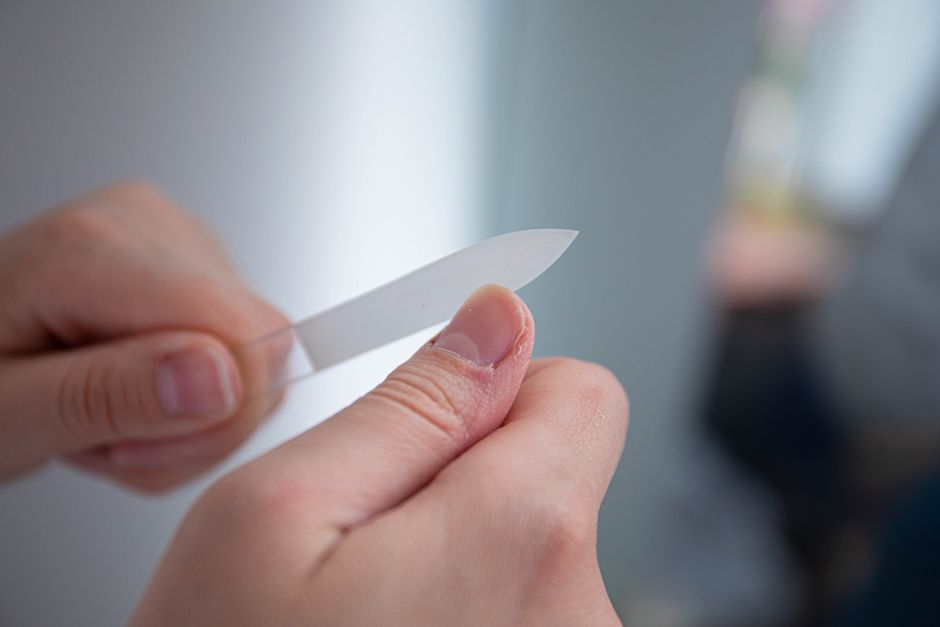
An ingrown fingernail happens when the edge of the nail grows into the skin beside it, usually at the side of the nail. The skin responds the way skin responds to any small injury: it becomes red, swollen, and tender. Most ingrown fingernails can be prevented at home with careful trimming, gentle care, and by leaving the cuticle and nail folds alone. The single most effective habit is cutting the nail straight across rather than rounding the corners down into the sides.
Prevention matters because an ingrown nail that breaks the skin can become infected. Once bacteria get in, the fingertip can swell, throb, and produce pus. People with diabetes or poor circulation face higher risk from any finger infection, so prevention carries more weight for them. The steps below are simple, but they work best when done consistently.
What Actually Causes an Ingrown Fingernail?
The cause is almost always mechanical. Something pushes the nail edge into the surrounding skin, or the nail is cut in a shape that encourages the edge to dig in. The nail fold — the skin along the sides of the nail — is soft and easy to irritate.
The most common triggers are:
- Rounding the nail corners down so the edge curves into the skin
- Trimming nails too short, which exposes the sensitive skin at the tip
- Tearing or biting nails instead of cutting them, which leaves jagged edges
- Picking at the skin along the sides of the nail
- Repeated pressure or trauma to the fingertip
- A naturally curved or fan-shaped nail that grows inward at the sides
Some people are simply more prone to ingrown nails because of the shape of their nails or how the nail fold sits. That is a structural tendency, not a hygiene failure. Knowing this helps: if your nails curve sharply at the sides, you need to be more deliberate about how you cut them.
Toenails become ingrown far more often than fingernails, largely because of shoe pressure. Fingernails are less commonly affected, but the same principles of nail care apply.
How To Prevent Ingrown Fingernails At Home
Cut the nail straight across and keep the corners slightly rounded, never dug down into the sides. This one habit prevents most ingrown fingernails. The edge should sit just above the skin at the fingertip, not below it.
Here is how to trim safely:
- Cut nails when they are soft, such as after a shower or bath
- Use clean, sharp nail clippers or scissors made for nails
- Cut straight across the top of the nail
- Round only the very tips of the corners with a file, following the natural curve
- Stop cutting before the nail edge dips below the skin line
- File any rough edges smooth so they do not catch on clothing
Leave a small amount of free nail beyond the fingertip. Cutting too short is a common mistake. When the nail is shorter than the skin at the tip, the skin can roll over the edge, and as the nail grows back it pushes into that skin.
Do not cut a “V” notch in the center of the nail. This is a widely repeated home remedy, often suggested for toenails, and it has not been shown to change how a nail grows. Nails grow from the base, not the tip, so cutting the tip does not redirect growth.
Why You Should Leave Your Cuticles Alone
The cuticle is a seal. It is a layer of dead skin at the base of the nail that blocks bacteria and moisture from getting into the space where the nail forms. Cutting or pushing back the cuticle breaks that seal.
Nail salons often push cuticles back and trim them. This is common practice, but it is not without risk. The cuticle protects the nail matrix, the tissue that produces the nail. Damage there can lead to infection or to permanent changes in how the nail grows.
If you want neat cuticles, soften them with warm water and gently push them back with a soft tool, without cutting. Moisturizing the cuticles and the skin around the nail keeps them flexible and less likely to crack. A cracked nail fold is an opening for bacteria.
Some clinicians recommend against cutting cuticles entirely, especially for people with diabetes or circulation problems. That guidance rests on the infection risk of any break in the skin, which is well established.
Everyday Habits That Protect Your Nails
Keep your hands and nails dry and clean, and avoid prolonged soaking. Nails that stay wet for long periods become soft and more easily damaged. Frequent handwashing is fine; sitting with wet hands for long stretches is not helpful to nails.
Wear gloves when doing work that puts pressure on your fingertips or exposes your hands to harsh chemicals. Cleaning products and detergents strip oils from the skin and can make the nail folds dry and prone to cracking.
Moisturize your hands and nails regularly. A simple hand cream or cuticle oil helps keep the skin around the nail supple. Dry, cracked skin along the nail edge is easier for a nail to catch and irritate.
Try not to bite or pick at your nails. Biting tears the nail unevenly and damages the nail fold. If biting is a habit you cannot easily stop, keep nails trimmed short and smooth so there is less to pick at.
Pay attention to your nails. If you notice an edge starting to press into the skin, address it early. A nail that is just beginning to dig in is far easier to manage than one that has already broken the skin.
What To Do If an Ingrown Nail Is Starting
Soak the finger in warm water for a few minutes to soften the skin and nail, then gently lift the edge of the nail away from the skin. Do not cut down into the corner. Placing a small piece of clean cotton or dental floss under the lifted edge is sometimes suggested to encourage the nail to grow above the skin, but evidence that this works is limited. Some clinicians recommend it; it is not strongly supported by trials.
Keep the area clean and dry, and avoid tight pressure on the fingertip. If the skin is red, swollen, and painful, or if pus is present, that suggests infection. Do not try to treat an infected finger at home by digging out the nail. See a healthcare provider.
People with diabetes should be especially careful. A minor finger infection can become serious faster in someone with diabetes or poor circulation. Established guidance is to seek medical care early rather than self-treating.
When To See a Doctor
See a healthcare provider if the area around the nail is increasingly red, swollen, or warm, or if pus is draining. These are signs of infection that may need treatment. Also seek care if the pain is severe or getting worse, or if you have a fever.
Recurring ingrown nails at the same spot, or a nail that is clearly deformed, may warrant a medical evaluation. In some cases a clinician may remove part of the nail or treat the nail matrix. Those are medical procedures, not home remedies.
For most people, ingrown fingernails are preventable with the habits above. Straight cuts, intact cuticles, and early attention to a nail edge that starts to dig in cover most of the risk.
Frequently Asked Questions
Should I cut a V in my fingernail to stop it growing in?
No. Cutting a V notch has not been shown to affect how a nail grows, because nails grow from the base rather than the tip. Cutting the nail straight across is the approach that helps.
How short should I cut my fingernails?
Leave a small amount of free nail beyond the fingertip and avoid cutting below the skin line at the sides. Nails cut too short are more likely to let the skin roll over the edge and cause an ingrown nail.
Can I treat an infected ingrown fingernail at home?
No. If the finger is red, swollen, warm, or draining pus, see a healthcare provider rather than digging at the nail yourself. People with diabetes or poor circulation should seek care early for any finger infection.
Are ingrown fingernails caused by poor hygiene?
Usually not. Most ingrown nails come from how the nail is trimmed, picking or biting, or the natural shape and curve of the nail. Hygiene matters for infection risk, but it is rarely the cause of the ingrown nail itself.
