
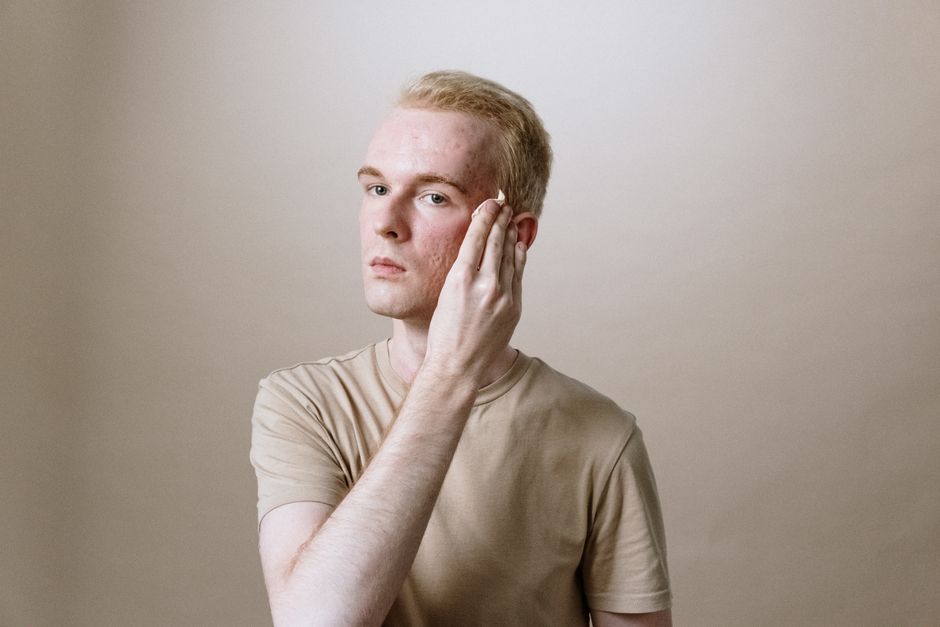
Hat acne is a form of acne mechanica — breakouts caused by friction, pressure, heat, and trapped sweat against the skin. To prevent it, you need to address four things: the fabric touching your forehead, how the hat fits, how clean the hat stays, and your daily skin routine. None of these works well alone. A breathable hat worn over unwashed skin, or a clean face under a tight, sweaty cap, will still produce bumps.
The term “hat acne” is not a formal medical diagnosis. It describes a pattern of acneiform breakouts — papules, pustules, and sometimes deeper nodules — concentrated along the hairline and forehead where headwear contacts the skin. The mechanism is well understood. The prevention strategies below follow from that mechanism and from general acne and skin-irritation guidance.
How To Prevent Hat Acne Fabric Fit And Routine
The single biggest controllable factor is moisture against the skin. Sweat, sebum, and warmth together soften the outer layer of skin and create conditions where pores become blocked. A hat that traps heat and sweat under a snug band is close to the worst-case setup.
Fabric choice matters because it determines how quickly moisture moves away from the skin. Natural fibers and technical moisture-wicking synthetics both help. The problem is not synthetic fabric itself — it is fabric that holds moisture and does not breathe.
Fit matters because pressure and friction damage the skin barrier. A hat that grips the forehead or leaves a visible red band after you take it off is applying more pressure than the skin tolerates comfortably.
Routine matters because skin on the forehead accumulates sweat, oil, and hair product residue under a hat. Cleansing after removing headwear, and keeping the hat itself clean, removes the material that feeds breakouts.
These four factors interact. Improving fabric without improving fit may not help. Improving fit without washing the hat may not help either. Treat them as one system.
What Fabrics Are Best For Preventing Hat Acne?
Breathable, moisture-wicking fabrics are the best choice. Cotton is breathable and absorbs sweat, but it holds moisture against the skin once saturated. Moisture-wicking synthetics move sweat to the fabric surface where it evaporates faster. Both are reasonable; neither is perfect.
What tends to cause problems:
- Non-breathable materials that trap heat and sweat, such as heavy nylon or coated fabrics
- Stiff, scratchy fabrics that create friction at the hairline
- Fabric blends with rough seams or stiff inner bands that rub the forehead
- Waterproof or sweat-proof linings that block airflow entirely
A useful test: wear the hat for an hour of light activity, then check the inner band. If it feels damp and warm, that fabric is holding moisture against your skin. If it feels dry or only slightly damp, it is moving moisture away.
One clarification worth making: there is a persistent idea that only natural fabrics are safe for acne-prone skin. That is not supported. Some synthetic performance fabrics wick moisture better than cotton and can reduce the time sweat sits on the skin. The relevant question is breathability and moisture movement, not natural versus synthetic.
Does Hat Fit Cause Breakouts?
A tight hat can contribute to breakouts through pressure and friction. Acne mechanica is well documented in people who wear helmets, straps, and tight headgear for long periods. The mechanism is physical irritation of the follicle, combined with trapped heat and sweat.
Signs a hat is too tight:
- A red band or indentation on the forehead that lasts more than a few minutes after removal
- Headache or pressure sensation while wearing it
- Visible rubbing or irritation at the hairline
- Breakouts that cluster exactly along the hat’s contact line
A hat should sit comfortably without gripping. If you can feel the band pressing into your forehead, it is too tight. Adjustable backs, slightly larger sizes, and softer inner bands all reduce pressure.
Wearing a hat for long stretches — all day at work, during a full shift, or through a long workout — increases the cumulative friction and heat exposure. Taking the hat off during breaks gives the skin a chance to cool and dry.





How Often Should You Wash A Hat To Prevent Acne?
Hats should be washed regularly, and more often if you sweat in them. The inner band collects sweat, oil, dead skin cells, and hair product. That residue sits against your forehead every time you wear the hat.
There is no single official washing frequency backed by clinical guidelines. A practical approach: wash workout hats after every heavy sweat session, and wash everyday hats at least weekly. If you notice the inner band feels oily or smells, it is overdue.
Washing method matters for the hat’s lifespan more than for acne prevention. Follow the care label. Hot water and harsh detergent can damage some fabrics; a gentle cycle with regular detergent is generally adequate. Let the hat air dry fully before wearing it again — a damp hat reintroduces the moisture problem.
Hair products are an underrecognized contributor. Pomades, oils, and leave-in conditioners transfer to the hat band, then back to the skin. If you use these products, washing the hat more often is reasonable.
What Skin Routine Helps With Hat Acne?
A simple, consistent routine works better than a complicated one. The goal is to remove sweat, oil, and residue without stripping or irritating the skin.
Cleanse after removing the hat. A gentle, non-comedogenic cleanser removes the material that contributes to blocked pores. Harsh scrubbing and abrasive exfoliants can worsen irritation, especially on skin already stressed by friction.
Moisturize. Friction damages the skin barrier, and a damaged barrier is more easily irritated. A light, non-comedogenic moisturizer supports barrier repair. Heavy occlusive products under a hat can trap more heat and moisture.
Treat active breakouts appropriately. Over-the-counter acne treatments containing benzoyl peroxide or salicylic acid are standard options for mild acne. They can be drying, so introduce them gradually. If breakouts are deep, painful, or leaving marks, a dermatologist can assess whether prescription treatment is appropriate.
Avoid picking. Picking at hat acne can worsen inflammation and increase the risk of scarring and dark marks, particularly in people with darker skin tones.
Sunscreen is still needed on exposed skin. Some hats provide physical sun protection for the forehead, but the face, ears, and neck usually remain exposed.
When Is Hat Acne Something Else?
Not every forehead breakout is acne. Several conditions look similar, and the distinction matters because treatment differs.
Folliculitis — inflammation or infection of the hair follicles — can produce small red bumps or pus-filled spots that resemble acne. It is often linked to friction, sweat, and bacterial or fungal involvement. Unlike typical acne, it may itch or feel tender.
Seborrheic dermatitis causes flaky, greasy scaling and redness, often along the hairline and eyebrows. It can be mistaken for acne and is managed differently.
Contact dermatitis from a hat’s dye, adhesive, or cleaning product can cause redness and itching along the contact area. The pattern usually follows the shape of the hat exactly.
Because these conditions can look alike, a breakout that does not improve with basic hygiene and over-the-counter acne care deserves a medical assessment. A clinician can distinguish between them and recommend appropriate treatment. This is a case where guessing at the cause can delay the right care.
Practical Prevention Checklist
- Choose breathable, moisture-wicking fabrics over non-breathable ones
- Make sure the hat fits without pressure or a lasting red band
- Remove the hat during breaks to let skin cool and dry
- Wash hats regularly — after heavy sweat sessions and at least weekly for everyday wear
- Cleanse the forehead and hairline after removing headwear
- Use non-comedogenic skin products
- Avoid picking at bumps
- See a clinician if breakouts are persistent, painful, or not improving
Consistency matters more than any single step. Small, regular habits — a clean hat, a comfortable fit, and a simple cleansing routine — address the mechanism that drives hat acne.
Frequently Asked Questions
Can wearing a hat every day cause acne?
Wearing a hat daily can contribute to acne mechanica, especially if the hat is tight, traps sweat, or is not washed often. Daily wear itself is not the problem — the combination of friction, heat, and residue is.
What fabric is best for hat acne?
Breathable, moisture-wicking fabrics are generally best because they move sweat away from the skin. Cotton is breathable but holds moisture once saturated, so it may not be ideal for heavy sweating.
Should I stop wearing hats if I have hat acne?
Not necessarily. Improving fabric, fit, and cleaning habits often reduces breakouts without giving up headwear. If breakouts persist despite these changes, a clinician can help identify the cause.
How do I know if my forehead bumps are acne or something else?
Acne, folliculitis, seborrheic dermatitis, and contact dermatitis can look similar, so a medical assessment is the reliable way to tell them apart. A breakout that does not improve with basic care is a reasonable reason to see a clinician.
