
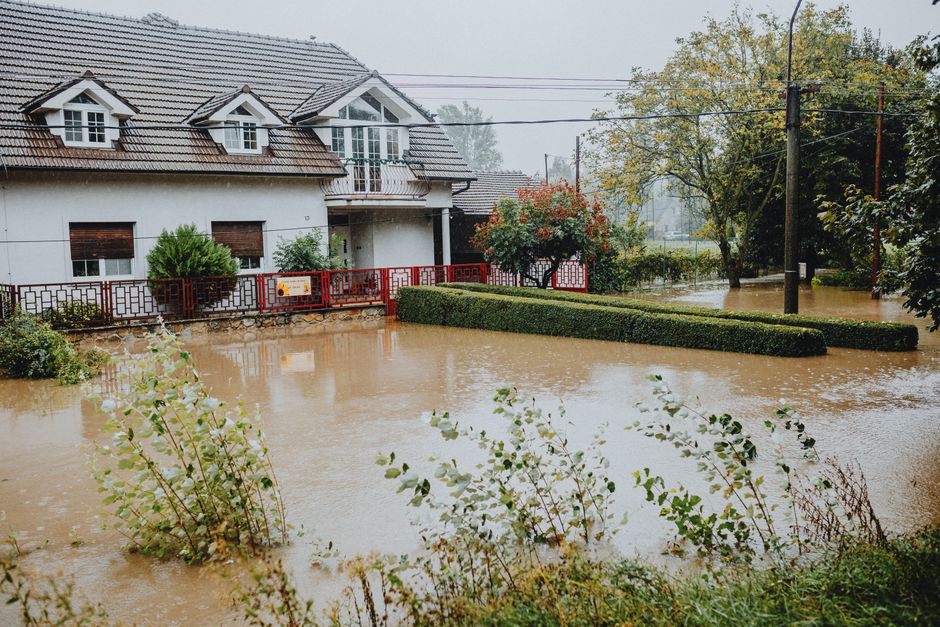
Flooding is rarely a sudden accident. It is usually the result of water meeting a landscape that has lost its ability to slow it down. To reduce flood risk in your community, the most effective steps are keeping storm drains clear, protecting wetlands and green space, directing roof and driveway water away from foundations, and supporting local drainage planning before the next storm—not during it.
Most flood damage comes from water that had nowhere else to go. That means prevention is less about holding back a river and more about giving water safe places to spread, soak in, and drain. Some of this happens at the household level. Some of it only happens through local government. Knowing which is which helps you spend your effort where it counts.
How To Prevent Flooding In Your Community: What Actually Works
Flood prevention works best when it addresses three things at once: where water collects, how fast it arrives, and whether drainage systems can handle the volume. A single cleared storm drain helps. A neighborhood that keeps its drains clear, preserves absorbent ground, and plans its drainage together helps far more.
It helps to understand that most urban flooding is not caused by a river overflowing. It is caused by rainfall that cannot soak into the ground because pavement, roofs, and compacted soil cover it. That water runs off quickly and concentrates in low spots. Anything that slows that runoff or gives it somewhere to go reduces flood peaks downstream.
This is why prevention is layered. Household actions reduce water at the source. Community actions manage it at the neighborhood scale. Local government manages the larger drainage and floodplain picture. No single layer is enough on its own.
Why Do Communities Flood More Than They Used To?
Many communities flood more today because the land has less capacity to absorb water than it did decades ago. Development replaces soil and vegetation with hard surfaces. Storm sewer systems built for an older, less developed landscape can be overwhelmed by rainfall they were never designed to handle.
There is a detail many people miss: a drainage system is typically designed for a specific storm size, not for every possible storm. When rainfall exceeds that design level, water backs up or pools in streets. This is normal engineering, not necessarily a failure—but it means older systems in growing areas can fall short more often.
Wetlands and floodplains also matter more than they appear to. These low, absorbent areas act as natural storage. When they are filled or built over, that storage disappears, and the water goes somewhere else—often into homes and streets that never flooded before.
What Can You Do Around Your Own Home?
Household steps reduce the water that reaches drains and foundations, and they are the fastest actions most people can take. None of them require permission or major spending.
- Keep roof gutters and downspouts clear so rainwater flows away from the house rather than pooling at the foundation.
- Direct downspouts to drain several feet from the foundation, onto ground that slopes away from the building.
- Make sure the ground around the foundation slopes away from the walls, not toward them.
- Clear leaves and debris from storm drains and ditches near your property, especially before storm season.
- Reduce paved area where you can, and consider permeable surfaces for walkways and driveways.
- Plant trees and deep-rooted plants, which help soil absorb and hold water.
- Keep basement windows, window wells, and low openings sealed and clear.
One clarification worth making: sandbags and temporary barriers can help protect a single doorway during a specific storm, but they are not a substitute for drainage planning. They buy time. They do not solve where the water goes.
If your area has a history of basement flooding, a backwater valve on the sewer line is a common measure some plumbers recommend to prevent sewage from backing up into a home during heavy rain. Whether it suits your property depends on your plumbing and local codes, so it is a question for a qualified professional rather than a universal fix.





How Can Neighborhoods Work Together On Flood Prevention?
Neighborhood coordination matters because water does not respect property lines. A drain cleared on one street can reduce flooding on the next. A single paved-over lot can send runoff onto several neighbors.
Practical community steps include organizing regular drain-clearing days before storm season, sharing information about which streets and intersections flood first, and documenting problem spots with photos and dates. That documentation is genuinely useful—it gives local officials evidence of where problems recur.
Neighborhoods can also push to protect remaining green space and wetlands rather than develop them. These areas are often the cheapest flood protection a community has, because they absorb water for free. Once they are built on, replacing that function with engineered drainage is expensive.
Rain gardens and community planting projects can help, though their effect is local. They reduce runoff from the area they serve. They are worth doing, but they are not a substitute for managing drainage at the larger scale.
What Role Does Local Government Play?
Local government controls the decisions that matter most: drainage infrastructure, land use, building standards, and floodplain management. Residents influence these decisions through public comment, planning meetings, and voting.
Key areas where local action makes a difference include maintaining and upgrading storm drainage, enforcing rules that limit building in flood-prone areas, requiring new development to manage its own runoff, and keeping flood maps current. Flood maps matter because they shape insurance requirements and building rules, and outdated maps can leave communities underprepared.
Residents can ask specific questions: When was the local drainage system last assessed? How is stormwater runoff from new development managed? Are floodplain maps current? Which areas flood repeatedly, and what is planned? These questions are more useful than general concern, because they have concrete answers.
What Should You Do Before A Flood Threatens?
Preparation before a storm reduces damage and protects people. The most important steps are knowing your risk, having a plan, and protecting what matters.
- Find out whether your home is in or near a flood-prone area. Local flood maps and emergency management offices are the place to start.
- Understand your insurance. Standard homeowners insurance typically does not cover flooding, and separate flood coverage often has a waiting period before it takes effect—so arranging it after a storm warning is usually too late.
- Keep important documents, medications, and valuables in waterproof containers or stored above expected flood levels.
- Know your evacuation routes and where local alerts come from.
- Move valuables and electrical equipment above potential flood height if flooding is expected.
- Never drive through flooded roads. Water depth and current are hard to judge, and moving water can sweep away a vehicle.
The insurance waiting period is the point people most often get wrong. Flood coverage generally cannot be added and used immediately, so it is a before-the-season decision, not a during-the-storm one.
What Are The Limits Of Community Flood Prevention?
No community can prevent all flooding. Extremely heavy rainfall can exceed any drainage system’s capacity, and rivers, coastlines, and steep terrain carry risks that local action cannot fully remove.
This is an honest limit, not a reason to do nothing. Prevention reduces frequency and severity. It lowers the chance that a moderate storm becomes a damaging one. It does not make a community flood-proof, and anyone promising otherwise is overselling.
The realistic goal is resilience: fewer floods, less damage when floods happen, and faster recovery. That comes from combining household steps, neighborhood coordination, and sound local planning—and from being clear-eyed about what each can and cannot do.
Frequently Asked Questions
What is the single most effective way to prevent flooding in a community?
Protecting and maintaining drainage capacity—clear storm drains, functioning sewers, and preserved absorbent land—does the most to reduce flood risk. Household and neighborhood actions support this, but drainage and land-use decisions are the foundation.
Does clearing storm drains really help prevent flooding?
Yes. Blocked drains cause water to pool and back up in streets and near homes, so keeping them clear of leaves and debris reduces local flooding. It is one of the simplest and most direct steps residents can take.
Can individual homeowners prevent neighborhood flooding?
Homeowners can reduce the water their property sends into the drainage system, which helps at the margins. Large-scale flooding is controlled by drainage infrastructure and land use, which require community and government action.
Does homeowners insurance cover flood damage?
Standard homeowners insurance typically does not cover flooding, and separate flood coverage usually has a waiting period before it applies. Check your policy and arrange coverage well before storm season.
