
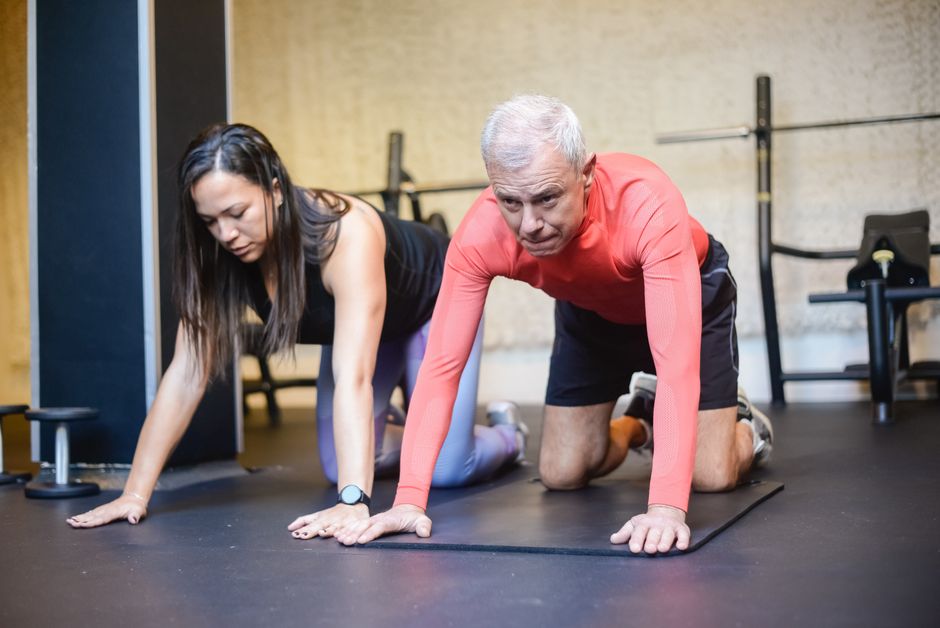
Falls are the leading cause of injury among older adults in the United States, and most of them are preventable. The most effective prevention combines three things: strength and balance exercise, a review of medications that affect balance or blood pressure, and a home safety check that removes tripping hazards and adds grab bars and better lighting. No single step does it alone, but together these measures substantially reduce fall risk.
Why Do Older Adults Fall More Often?
Falling is not a normal part of aging. But several changes that become more common with age do raise the risk.
Muscle strength declines gradually after about age 40, and the loss speeds up in the 60s and beyond. Balance depends on muscle power, joint sensation, vision, and the inner ear working together. When any of these weaken, recovery from a stumble becomes harder. Blood pressure that drops when you stand up quickly — a condition called orthostatic hypotension — can cause dizziness and a fall. Vision changes make it harder to judge steps and curbs.
Medications matter more than most people realize. Sedatives, sleep aids, blood pressure drugs, antidepressants, and some over-the-counter sleep products can cause drowsiness, dizziness, or unsteadiness. The risk rises with each additional medication and with combinations.
Home hazards are the third piece. Loose rugs, clutter, poor lighting, and missing grab bars in bathrooms are common and fixable. Fear of falling also becomes a problem in itself. People who become afraid often move less, which weakens muscles and actually increases future risk.
How To Prevent Falling Proven Tips To Reduce Your Risk
Exercise is the most consistently supported strategy in the research literature. Programs that combine balance training with strength work reduce falls in older adults, according to multiple clinical trials and systematic reviews. Balance-focused activities include tai chi, standing on one leg, and walking heel-to-toe. Strength work targets the legs and hips — chair rises, step-ups, and resistance bands are common starting points.
Medication review is the second pillar. Ask your clinician or pharmacist to go through everything you take, including supplements and over-the-counter products. Some drugs can be reduced or swapped for alternatives with less effect on balance. Do not stop or change any prescription on your own.
Home safety is the third. Remove loose rugs or secure them with double-sided tape. Keep cords out of walkways. Add grab bars inside and outside the shower and next to the toilet. Use night lights along the path from bed to bathroom. Keep frequently used items within easy reach so you are not climbing on stools.
Vision and hearing checks belong on the list too. Poor vision makes it harder to spot hazards, and hearing loss has been linked in some research to higher fall risk, though the reasons are not fully clear. Annual eye exams and updated prescriptions help.
Which Exercises Actually Reduce Fall Risk?
Not all exercise reduces falls. Walking alone, while good for the heart, does not reliably improve balance and in some studies has not lowered fall rates. The programs that show benefit in trials share certain features: they challenge balance, they progress in difficulty over time, and they are done regularly.
Tai chi has the strongest body of evidence among single activities. It involves slow, controlled weight shifts and standing on one leg in motion, which directly trains the systems involved in balance. Some research suggests tai chi reduces falls in older adults, particularly those at higher risk.
Otago-style programs — a structured home or group routine of leg strengthening and balance exercises — have been studied in older adults and are used in many fall prevention programs. Physical therapy can tailor a plan if you have had a fall, have arthritis, or have trouble with certain movements.
A practical starting point is standing on one leg while holding a counter, then progressing to no hands. Chair rises build leg strength. The key is consistency — two to three sessions a week is a common recommendation in exercise programs, though individual capacity varies.
What Home Changes Make the Biggest Difference?
Most falls happen at home, and the bathroom is a common location. Wet floors, hard surfaces, and the need to step over a tub edge create risk.
- Install grab bars in the shower, next to the toilet, and along the tub. Towel racks are not designed to hold body weight.
- Use a non-slip mat in the shower and a bath mat with a rubber backing outside it.
- Add night lights in hallways, bedrooms, and bathrooms.
- Keep a lamp or light switch within reach of the bed.
- Remove or secure loose rugs, and clear clutter from walkways and stairs.
- Store everyday items on shelves between waist and shoulder height.
- Check that stair railings are secure on both sides where possible.
Footwear matters too. Walking barefoot or in slippers with smooth soles increases slipping risk. Supportive shoes with low heels and non-slip soles are a reasonable choice indoors and out.
When Should You Talk to a Doctor About Fall Risk?
Talk to a clinician after any fall, even one that caused no injury. A fall can be the first sign of a new problem — a medication side effect, a blood pressure issue, a vision change, or a nerve or muscle condition.
Also raise the topic if you feel unsteady on your feet, if you have had near-falls, or if you have stopped doing things you used to do because you are worried about falling. Clinicians can assess gait and balance, review medications, check blood pressure while sitting and standing, and check vision. Some clinics offer formal fall risk assessments.
Some research suggests vitamin D supplementation may help reduce falls in people with low vitamin D levels, but results across studies are mixed. Do not start high-dose vitamin D without discussing it with your clinician, especially if you take other medications.
Does Fear of Falling Increase Your Risk?
Yes. Fear of falling is both a consequence of falls and a cause of them. People who become fearful often cut back on walking, social activities, and exercise. That reduced activity weakens muscles and worsens balance over time, which raises the actual risk of falling.
The cycle is well documented in geriatric research. Breaking it usually means starting with safe, supervised activity rather than avoiding movement altogether. A physical therapist can help build confidence gradually. Some programs specifically address fear of falling alongside balance training.
It helps to reframe the goal. The aim is not to avoid all risk but to stay active while reducing the hazards you can control. Most people who take the steps above do not eliminate every risk, but they meaningfully lower it.
Frequently Asked Questions
What is the single most effective way to prevent falls?
Exercise that combines balance training and leg strengthening has the strongest evidence for reducing falls in older adults. It works best alongside a medication review and home safety changes.
Can walking alone prevent falls?
Walking improves heart health but does not reliably improve balance, and some studies have not shown it lowers fall rates on its own. Balance-specific exercise is what the evidence supports.
Do I need a doctor’s visit after a fall with no injury?
Yes, it is reasonable to mention any fall to a clinician, even without injury. A fall can be the first sign of a medication effect, blood pressure problem, or other change worth checking.
Are grab bars really necessary in the bathroom?
Grab bars are one of the most practical home safety changes because the bathroom combines hard surfaces, water, and standing balance demands. Towel racks and shower doors are not designed to support body weight.
