
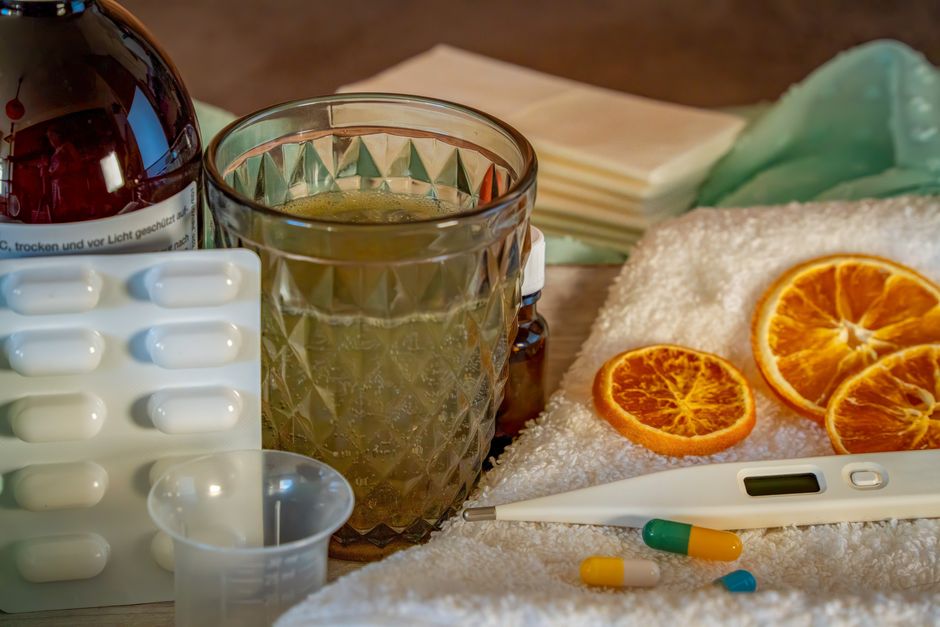
Diarrhea is miserable, but most cases can be prevented with the right habits. The single most effective step is thorough handwashing with soap and water after using the bathroom and before eating. Beyond that, you need to be careful about what you eat and drink, especially when traveling, and avoid unnecessary medications that can loosen your stool. These steps are not complicated, but they require consistent effort.
What Causes Diarrhea in the First Place?
Understanding the cause helps you target prevention. The most common causes are infections from viruses, bacteria, or parasites. You usually get these from contaminated food or water, or from touching a surface with germs and then touching your mouth.
Other causes include food intolerances like lactose intolerance, artificial sweeteners found in sugar-free gum and candies, and certain medications. Antibiotics are a major culprit because they kill good gut bacteria along with the bad ones. Stress and anxiety can also trigger episodes for some people.
The CDC reports that norovirus is the leading cause of acute gastroenteritis in the United States, responsible for about 19 to 21 million illnesses each year. Knowing this helps you focus on the prevention methods that actually block viruses.
How To Prevent Diarrhea With Hand Hygiene
Handwashing is the most effective single step you can take. Research published in the American Journal of Public Health found that handwashing with soap reduces the risk of diarrheal disease by up to 47 percent. That is a massive reduction for something so simple.
You need to wash for at least 20 seconds with soap and warm water. Focus on the backs of your hands, between your fingers, and under your nails. Hand sanitizer with at least 60 percent alcohol works in a pinch, but it is not as effective against certain germs like norovirus or Clostridium difficile.
Wash your hands at these key times:
- After using the bathroom
- Before preparing or eating food
- After changing a diaper
- After touching animals or their waste
- After caring for someone who is sick
Most people do not wash long enough. Try humming the “Happy Birthday” song twice to time yourself.
How Food and Water Safety Prevents Diarrhea
Contaminated food and water are the main ways people get traveler’s diarrhea and foodborne infections. The CDC estimates that 48 million Americans get sick from foodborne diseases each year. Most of these cases involve diarrhea.
Simple kitchen habits make a big difference. Wash fruits and vegetables thoroughly, even if you plan to peel them. Cook meats to safe internal temperatures — 165°F for poultry, 145°F for whole meats, and 160°F for ground meats. Keep raw meat separate from other foods on cutting boards and in your grocery bag.
When traveling to areas with poor sanitation, drink only bottled or boiled water. Avoid ice cubes, raw vegetables, and street food that has been sitting out. The World Health Organization recommends eating food that is thoroughly cooked and served hot.
Be cautious with leftovers. The USDA advises refrigerating leftovers within two hours and eating them within three to four days. If food has been left out longer than two hours, throw it away. Bacteria grow rapidly at room temperature.


Does Probiotics Help Prevent Diarrhea?
Probiotics are live bacteria that may help maintain a healthy gut. Some studies suggest they can reduce the risk of antibiotic-associated diarrhea. A review in the Cochrane Database of Systematic Reviews found that probiotics lowered the risk of diarrhea from antibiotics by about 42 percent.
The evidence is strongest for specific strains like Lactobacillus rhamnosus GG and Saccharomyces boulardii. However, not all probiotic products contain these strains, and the quality of supplements varies widely. The FDA does not regulate probiotics the same way it regulates drugs.
For traveler’s diarrhea, the evidence is weaker. Some studies show a small benefit, but others show none. If you want to try probiotics, start them a few days before traveling and continue during your trip. Yogurt with live active cultures is a food source, though the dose is lower than what supplements provide.
Do not rely on probiotics alone. They are a supporting measure, not a replacement for handwashing and food safety.
What Medications and Supplements You Should Avoid
Some common medications and supplements can cause or worsen diarrhea. Knowing which ones to avoid is part of prevention.
Antibiotics are the most obvious. They disrupt your gut microbiome. If you need antibiotics, ask your doctor if a shorter course or a narrower-spectrum antibiotic is appropriate. Never pressure your doctor for antibiotics for a viral infection — they will not help and may cause diarrhea.
Magnesium supplements, especially magnesium citrate and magnesium oxide, are well-known laxatives. Many people take them for constipation or general health without realizing the dose is too high for their system. If you take magnesium and develop loose stools, try a lower dose or switch to magnesium glycinate, which is gentler.
Artificial sweeteners like sorbitol, xylitol, and mannitol are common in sugar-free gum, candies, and some protein bars. These are poorly absorbed by the body and pull water into the intestine. A single piece of gum might not cause issues, but a whole pack can trigger diarrhea in sensitive people.
Caffeine and alcohol also stimulate the gut. Large amounts of coffee or several alcoholic drinks can speed up digestion and lead to loose stools. If you notice a pattern, cutting back may help.
| Substance | How It Affects Digestion | Prevention Tip |
|---|---|---|
| Antibiotics | Kills good gut bacteria | Ask about shorter courses |
| Magnesium supplements | Draws water into the bowel | Switch to magnesium glycinate |
| Sorbitol / xylitol | Poorly absorbed, pulls water in | Read labels on sugar-free products |
| Caffeine | Stimulates intestinal contractions | Limit to 1-2 cups per day |
| Alcohol | Irritates gut lining | Drink in moderation or avoid |
What To Do If You Are Prone to Diarrhea
Some people have conditions like irritable bowel syndrome or inflammatory bowel disease that make them more prone to diarrhea. If this is you, prevention requires a more personalized approach.
Keep a food diary for two weeks. Write down everything you eat and drink, and note when you have diarrhea. Patterns often emerge. Common triggers include dairy, gluten, high-fat foods, and spicy dishes. Once you identify your triggers, you can avoid them.
Fiber can help some people and hurt others. Soluble fiber from oats, bananas, and applesauce absorbs water and can firm up stool. Insoluble fiber from nuts, seeds, and raw vegetables can speed things up and make diarrhea worse. Pay attention to how your body responds to different fiber sources.
Stress management matters more than most people realize. The gut and brain are connected through the vagus nerve. Anxiety can speed up digestion. Techniques like deep breathing, meditation, or regular exercise may reduce episodes for stress-sensitive individuals.
If diarrhea persists for more than two weeks or comes with blood, weight loss, or severe pain, see a doctor. These could be signs of a chronic condition that needs medical treatment, not just lifestyle changes.
Common Misconceptions About Preventing Diarrhea
Many viral health claims about diarrhea prevention are not backed by evidence. Knowing what does not work saves you time and money.
Charcoal tablets are widely promoted for digestive issues, but as of 2026 there is no clinical evidence that activated charcoal prevents diarrhea. Some people report benefit, but strong evidence is limited. Charcoal can also interfere with medications.
Apple cider vinegar is another popular remedy. Some people claim it kills bacteria in the gut. There is no evidence that drinking vinegar prevents diarrhea, and it can damage tooth enamel and irritate the stomach lining.
Eating yogurt after a meal to “reset” your gut is not a reliable prevention strategy. Yogurt with live cultures may help repopulate good bacteria, but it does not stop an infection that is already developing. It is a supporting food, not a preventive measure.
Starving yourself when you feel diarrhea coming on is also a myth. Your body needs energy to fight off infections. Eating bland, easy-to-digest foods like rice, toast, and bananas can actually help slow things down. Just avoid greasy or sugary foods.
Frequently Asked Questions
Can drinking too much water cause diarrhea?
No, drinking plain water does not cause diarrhea. However, drinking large amounts of fluids with artificial sweeteners or caffeine can trigger loose stools.
Does stress really cause diarrhea?
Yes, stress can trigger diarrhea by speeding up intestinal contractions. This is common in people with irritable bowel syndrome.
Is it safe to take Pepto-Bismol to prevent diarrhea?
Bismuth subsalicylate can reduce the risk of traveler’s diarrhea when taken as directed. Do not use it for more than three weeks without a doctor’s approval.
How long after eating contaminated food does diarrhea start?
Symptoms usually appear within 6 to 24 hours for bacterial infections. Viral causes like norovirus can start in 12 to 48 hours.
