
Cross contamination is one of the main ways foodborne illness spreads in a home kitchen. It happens when bacteria or other germs move from one food, surface, or person to another. You can prevent it by washing your hands, separating raw meat from ready-to-eat foods, using different cutting boards, and cleaning surfaces properly. These steps are simple, but they require consistency every time you cook.
What Is Cross Contamination?
Cross contamination is the physical transfer of harmful microorganisms from one source to another. In a kitchen, this usually means raw meat juices touching foods that will be eaten without cooking, like salad greens or bread. It can also happen through your hands, utensils, sponges, or countertops.
The most common culprits are bacteria like Salmonella, E. coli, and Campylobacter. These germs live naturally in the intestines of animals and can end up on raw meat and poultry during processing. When those juices spread, the bacteria travel with them.
Cross contamination is not just a restaurant problem. Home kitchens are actually a common setting for foodborne illness. A single drop of raw chicken juice on a cutting board can contain enough bacteria to make someone sick if that board is later used for vegetables without being washed.
How To Prevent Cross Contamination in Your Kitchen
The prevention strategy rests on one core idea: keep raw animal products completely separate from everything else until they are cooked. Here is how to apply that principle in a practical way.
Use separate cutting boards. Have one board for raw meat, poultry, and seafood. Use a different board for fruits, vegetables, bread, and other ready-to-eat foods. Color-coded boards make this easier to remember. If you only have one board, wash it thoroughly with hot soapy water between uses.
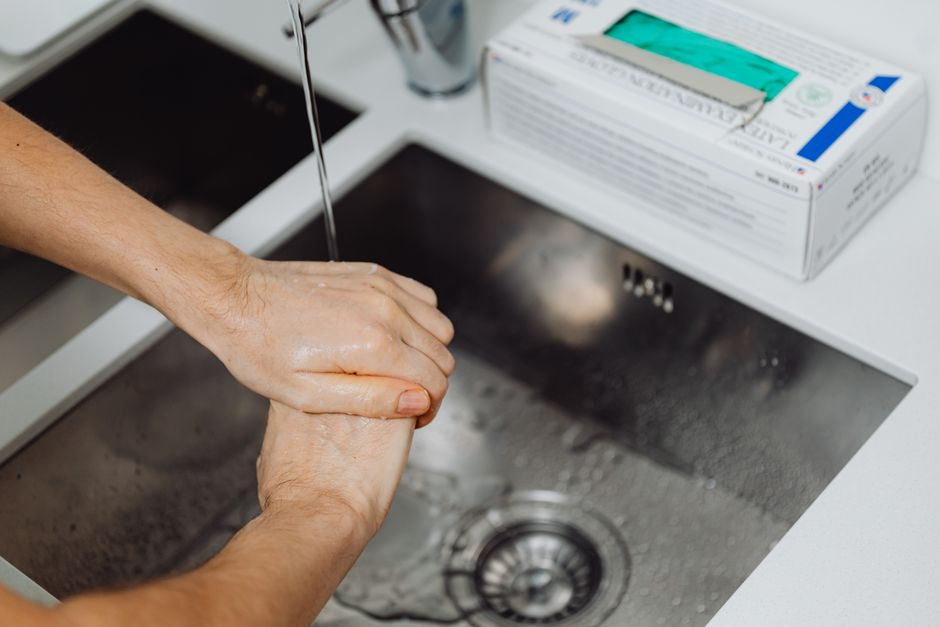
Wash your hands at the right moments. Wash before you start cooking. Wash again after touching raw meat, poultry, eggs, or seafood. Hand washing with soap and warm water for at least 20 seconds removes germs effectively.
Store raw meat on the bottom shelf. In the refrigerator, raw meat juices can drip. Placing raw meat on the lowest shelf prevents those juices from landing on other foods. This is especially important for foods that will not be cooked, like leftovers or fresh produce.
Do not rinse raw meat or poultry. Rinsing does not remove bacteria. It actually spreads them. The water splashes onto your sink, countertops, and nearby items. Cooking meat to the proper internal temperature is the only way to kill harmful bacteria.
Use separate plates and utensils. Never put cooked food on the same plate that held raw meat. Use clean tongs or spatulas when serving. A common mistake is grilling raw burgers and then placing the cooked patties back on the raw plate.
How To Clean Surfaces That Have Touched Raw Meat
Cleaning is not the same as sanitizing. Cleaning removes visible dirt and some germs. Sanitizing reduces the remaining germs to a safe level. Both steps are needed after raw meat touches a surface.
First, wash the surface with hot soapy water. This removes the visible juices and debris. Then apply a sanitizing solution. A simple one is one tablespoon of unscented liquid chlorine bleach mixed with one gallon of water. Apply it to the surface and let it sit for a few minutes before wiping it dry.
Do not use the same sponge for raw meat cleanup and regular dishwashing. Sponges harbor bacteria and are difficult to sanitize completely. Use a paper towel for raw meat spills. For dishes, use a clean cloth or a dishwasher cycle that includes heat drying.
Cutting boards need special attention. If you use a wooden board for raw meat, wash it with hot soapy water immediately after use. Some experts recommend a separate plastic board for raw meat because plastic can be washed in the dishwasher at high heat. Wooden boards can absorb juices and are harder to sanitize thoroughly.





How Cross Contamination Happens With Food Storage
Refrigerator storage mistakes cause a large share of cross contamination at home. The temperature slows bacterial growth but does not stop it. Raw meat still carries live bacteria in the fridge, and those bacteria can transfer to other items.
Always store raw meat in a sealed container or a leak-proof plastic bag. Do not just place it on a shelf in its store wrapping. Store it on the lowest shelf. This is a straightforward rule that prevents drips from reaching other foods.
Ready-to-eat foods should go on higher shelves. This includes leftovers, dairy, and anything you will eat without cooking first. The logic is simple: if something drips, it drips downward. Keeping raw meat at the bottom means nothing below it can be contaminated.
Eggs also deserve care. Store them in their original carton on a shelf, not in the refrigerator door. The door experiences temperature fluctuations every time it opens. The carton also protects eggs from absorbing odors and from contact with other foods.
Thawing frozen meat is another common mistake. Never thaw meat on the counter at room temperature. The outside warms up quickly while the inside stays frozen, creating ideal conditions for bacterial growth. Thaw in the refrigerator, in cold water, or in the microwave. If you thaw in the microwave, cook the meat immediately.
Cross Contamination From Hands and Personal Habits
Your hands are the most frequent carrier of germs in the kitchen. You touch raw meat, then touch the refrigerator handle, the spice jar, or your phone. Each touch transfers bacteria to a new surface.
Wash your hands immediately after handling raw meat. Do not wipe them on a towel first. Use soap and warm water. Scrub for at least 20 seconds, including the backs of your hands, between your fingers, and under your nails.
Do not wear jewelry while cooking. Rings and bracelets trap bacteria and make thorough hand washing difficult. The same applies to nail polish that is chipped or peeling.
If you have any cuts or sores on your hands, cover them with a waterproof bandage before cooking. This protects the wound from bacteria and prevents bacteria from your skin from entering the food.
Taste testing requires a clean spoon every single time. Do not taste food and then put the same spoon back into the pot. This is a direct way to introduce bacteria from your mouth into the food. Use a clean spoon each time you taste.
Common Cross Contamination Mistakes People Make
Even careful cooks make these errors. Recognizing them is the first step to avoiding them.
Washing raw chicken. This is one of the most common mistakes. Studies show that washing raw poultry splashes bacteria up to three feet away from the sink. It does not remove bacteria from the chicken. Cooking kills the bacteria. Washing only spreads them.
Using the same sponge for everything. Sponges are among the dirtiest items in a home. They stay damp and hold food particles. Using one sponge to wipe up raw meat juices and then clean the counter spreads bacteria. Replace sponges frequently and use paper towels for raw meat messes.
Putting cooked food on an unwashed plate. This happens often at barbecues. The plate that held raw burgers is used to serve the cooked ones. The bacteria from the raw juices are still on the plate and will contaminate the cooked food.
Marinating meat and using the marinade as a sauce. The marinade that touched raw meat contains raw meat juices. Boiling it first will kill the bacteria. Using it raw as a dipping sauce is risky.
Storing produce in the same bag as raw meat. Even in the shopping cart, raw meat packaging can leak. Keep raw meat in a separate plastic bag from produce before you even reach the checkout.
Frequently Asked Questions
What is the most common cause of cross contamination in home kitchens?
Unwashed hands and shared cutting boards are the most common causes. Raw meat juices transfer to other foods when the same board or hands are used without proper cleaning.
Should I wash raw chicken before cooking it?
No. Washing raw chicken spreads bacteria around your sink and countertops. Cooking chicken to an internal temperature of 165°F kills the bacteria that washing cannot remove.
How long should I wash my hands after handling raw meat?
Wash with soap and warm water for at least 20 seconds. That is roughly the time it takes to sing “Happy Birthday” twice.
Can cross contamination happen in the refrigerator?
Yes. Raw meat juices can drip onto other foods. Store raw meat on the bottom shelf in a sealed container to prevent this.
