
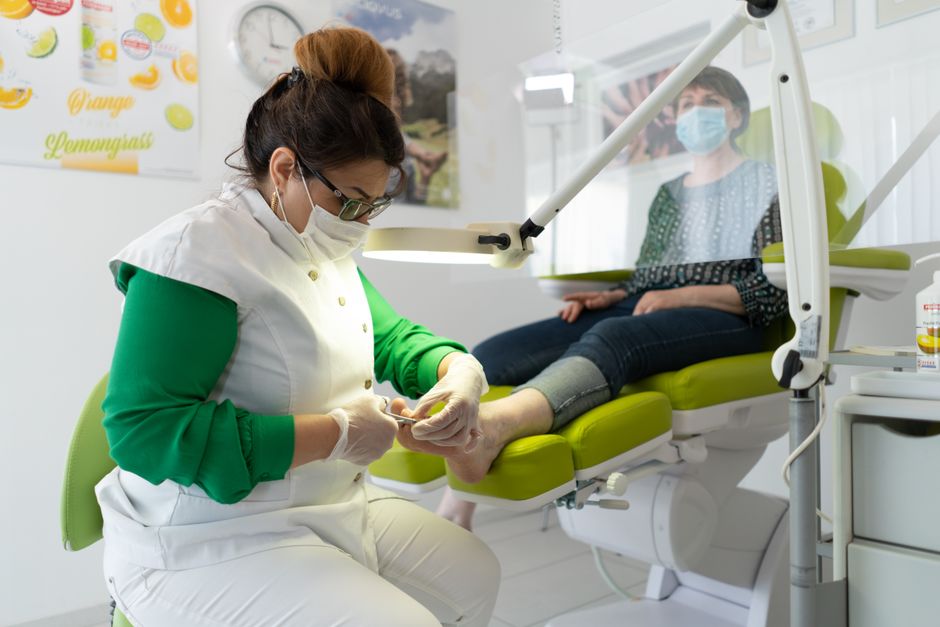
Corns are small but they can make every step hurt. They form when skin is exposed to repeated pressure or friction, and the body responds by building up a thick, hard layer of dead skin to protect the area underneath. The most effective way to prevent corns is to remove the source of that pressure: wear shoes that fit properly, keep your feet dry, and address any foot shape or walking pattern that concentrates force on one spot.
That is the whole idea in one line. Find where the pressure is coming from, and change it. Corns do not appear randomly. They appear where something is rubbing, pinching, or pressing.
What Exactly Is a Corn and How Is It Different From a Callus?
A corn is a small, concentrated area of thickened skin with a hard center. A callus is also thickened skin, but it covers a broader area and usually has no distinct core.
The difference matters because it tells you something about the cause. Calluses form from widespread friction across a larger surface. Corns form from pressure focused on a small point. That point could be a bone that sits close to the skin, a toe that rubs against a shoe seam, or two toes pressing against each other.
Corns typically have a hard, dense center sometimes called a core. This core presses into the tissue below and can be painful when you walk or wear shoes. They most often appear on the tops and sides of toes, between toes, or on the soles of the feet.
There are two common types. Hard corns are small and firm, usually on the top or outer surface of a toe. Soft corns are softer and rubbery, and they tend to form between toes where moisture keeps the skin damp. Both come from the same basic cause: pressure and friction.
What Causes Corns to Form in the First Place?
Pressure and friction are the direct cause. Without them, corns do not form. The skin thickens as a protective response, and over time that thickening becomes a corn.
Several things create that pressure:
- Shoes that are too tight squeeze the toes together or press against bony areas.
- Shoes that are too loose let the foot slide, creating friction with every step.
- High heels shift body weight onto the front of the foot, increasing pressure on the toes and ball of the foot.
- Seams and stitching inside a shoe can rub against the same spot repeatedly.
- Toe deformities such as hammertoes or bunions change how the foot sits inside a shoe.
- Foot shape differences like a prominent bone or a high arch can concentrate pressure on one area.
- Walking patterns that place unusual stress on certain parts of the foot.
Moisture makes friction worse. Damp skin is softer and breaks down more easily under repeated rubbing. That is one reason soft corns tend to form between toes, where sweat collects and air does not circulate.
It is also worth knowing that not everyone who wears tight shoes gets corns. Foot structure plays a real role. Two people can wear the same shoe and only one develops a corn, because their bones and gait distribute pressure differently.
How To Prevent Corns From Forming On Your Feet
Prevention comes down to reducing pressure, reducing friction, and keeping the skin in good condition. These steps work best together, not in isolation.
Choose Shoes That Fit Properly
This is the single most important step. A shoe should have enough room in the toe box for your toes to move freely. You should be able to wiggle them without them pressing against the sides or top.
Get your feet measured periodically. Foot size can change with age, weight changes, and pregnancy. Many people wear shoes a half size too small without realizing it. Shop later in the day when feet are at their largest, since feet swell slightly over the course of the day.
Look for shoes with a wide toe box, soft uppers, and no rough interior seams. If a shoe rubs in one spot, do not expect it to break in and stop. Persistent rubbing is exactly what creates corns.
Manage Moisture
Keep feet dry, but not overly dry. Sweaty feet soften the skin and increase friction. Very dry feet crack and become more vulnerable.
- Change socks daily, and more often if your feet sweat heavily.
- Choose socks made of moisture-wicking materials rather than cotton, which holds moisture against the skin.
- Use foot powder if sweating is a problem.
- Alternate shoes so each pair has time to dry out between wears.
Use Protective Padding
Over-the-counter pads, moleskin, and toe separators can cushion areas where pressure tends to build. Placing a pad around a spot — not directly over it — can shift pressure away from the vulnerable point.
This is a reasonable preventive measure, though it addresses the symptom rather than the cause. If a pad helps, that is useful information: it tells you exactly where the pressure is coming from. The better long-term fix is to change whatever is creating that pressure.
Address Foot Structure Issues
If you have hammertoes, bunions, or another structural issue, a podiatrist or foot specialist can recommend footwear modifications or custom orthotics. Orthotics can redistribute pressure across the foot, which may reduce the concentration of force in one area.
Evidence for orthotics in corn prevention specifically is limited, but they are widely used in clinical practice for pressure-related foot problems. If you have a structural issue driving the problem, it is worth discussing with a clinician.



Does Trimming or Filing a Corn Prevent New Ones?
No. Trimming or filing a corn removes the thickened skin, but it does not stop the pressure that caused it. If the pressure continues, the corn will come back.
That said, removing the thickened skin can reduce pain in the short term. Some people do this at home with a pumice stone after softening the skin in warm water. Others have it done by a clinician.
Be careful with over-the-counter corn removal products. Many contain salicylic acid, which dissolves skin. These products can damage healthy skin around the corn, and they should not be used by people with diabetes, poor circulation, or loss of sensation in the feet. For those groups, even a minor foot injury can become a serious problem. If you have any of these conditions, see a clinician rather than treating a corn yourself.
When Should You See a Doctor About a Corn?
See a clinician if a corn is painful, keeps coming back, or if you have diabetes, poor circulation, or numbness in your feet. Those conditions raise the risk of complications from even small foot problems.
Also see a doctor if you notice signs of infection — redness, warmth, swelling, or drainage — or if the area bleeds. And if you are not sure whether a growth on your foot is a corn, get it checked. Some skin conditions and other growths can look similar to corns, and a proper diagnosis matters.
For most healthy people, corns are a nuisance rather than a danger. But they are a signal. They tell you that something about your footwear or your foot mechanics is putting repeated stress on one spot. Listening to that signal is the most reliable way to keep them from coming back.
Frequently Asked Questions
Can corns go away on their own?
Corns can improve if the pressure that caused them is removed, but they rarely disappear completely without that change. If the friction or pressure continues, the corn will persist or return.
Are corn removal patches safe to use at home?
They can be used by healthy people, but products containing salicylic acid can damage the healthy skin around a corn. People with diabetes, poor circulation, or numbness in the feet should not use them and should see a clinician instead.
What is the best type of shoe to prevent corns?
A shoe with a wide toe box, soft uppers, and no rough interior seams is best. Proper fit matters more than any specific brand or style.
Can corns come back after treatment?
Yes, corns commonly return if the underlying pressure or friction is not addressed. Removing the thickened skin treats the symptom, not the cause.
