
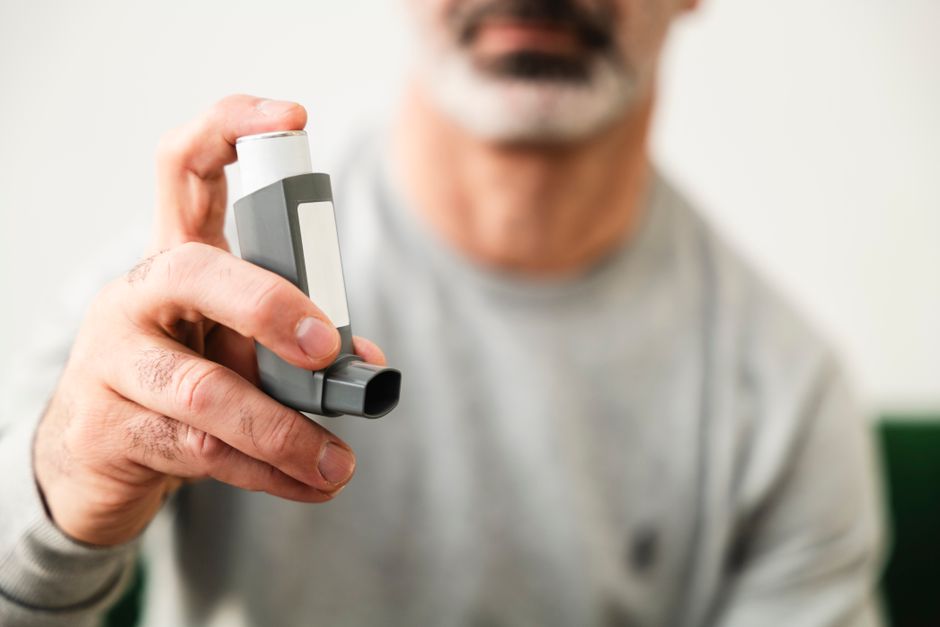
You can lower your risk of COPD, and the steps are more practical than most people expect. The most effective ones are simple: don’t smoke, and if you do smoke, quit. Avoid long-term exposure to lung irritants at work and at home. Get recommended vaccines. And if you have ongoing breathing symptoms, get them checked instead of waiting. No single step guarantees you won’t get COPD, but together these actions meaningfully reduce the risk for most people.
COPD, or chronic obstructive pulmonary disease, is an umbrella term for conditions that block airflow and make breathing harder over time. The two main forms are chronic bronchitis and emphysema, and many people have features of both. Understanding what actually damages lungs is the key to protecting them.
What Actually Causes COPD?
Cigarette smoking is the leading cause of COPD in the United States. It is responsible for the large majority of cases. That is not a guess or a slogan — it is one of the most consistent findings in respiratory medicine.
Smoke damages the small airways and the tiny air sacs called alveoli where oxygen crosses into your blood. It triggers inflammation that never fully settles. Over years, the airway walls thicken, mucus glands enlarge, and the elastic tissue that helps your lungs recoil gets destroyed. That damage is largely permanent. This is why prevention matters far more than treatment.
Smoking isn’t the only cause, though. Long-term exposure to other irritants can also lead to COPD:
- Secondhand smoke
- Air pollution, especially fine particulate matter
- Dusts and fumes at work — mining, construction, welding, farming, and some manufacturing jobs
- Chemical vapors and cleaning agents
- Biomass smoke from indoor cooking and heating fires
- Fumes from vaping, though the long-term evidence is still developing
A less obvious cause is a rare genetic condition called alpha-1 antitrypsin deficiency. It can cause COPD in people who never smoked, often at a younger age. It is uncommon, but it is worth knowing about if you develop breathing problems early or have a strong family history.
Why Is Quitting Smoking the Single Most Important Step?
Stopping smoking is the most effective thing a smoker can do to protect their lungs. Full stop. The damage from smoking is cumulative, so the earlier you stop, the more lung function you preserve.
Here is the part many people don’t realize: quitting helps at any age. Some lung damage can’t be undone, but quitting slows the decline in lung function dramatically. Research consistently shows that people who quit lose lung function at a much slower rate than those who keep smoking. You don’t have to have smoked for a short time to benefit.
Quitting is hard, and that is not a character flaw. Nicotine is genuinely addictive. The good news is that combining counseling with medication works better than either alone, and this is well established in clinical research. Options include nicotine replacement therapy, and prescription medications your doctor can discuss with you. A quitline or a support group adds another layer of help.
If you live with a smoker, protecting your own lungs means reducing secondhand smoke exposure. Opening a window or running a fan does not remove the risk. The most effective step is a smoke-free home and car.
How Can You Reduce Exposure to Lung Irritants?
For people who don’t smoke, workplace and environmental exposures are often the biggest controllable risk. If your job involves dust, fumes, or chemicals, proper protection is not optional.
Use the protective equipment your workplace provides, and use it correctly. A mask that doesn’t fit right offers little protection. If you’re not sure your equipment is adequate, ask. Employers are required to provide appropriate protection for known hazards.
At home, a few practical steps reduce irritant exposure:
- Keep your home and car smoke-free
- Ventilate well when cooking, and use a range hood
- Avoid burning wood or trash indoors
- Check local air quality and limit outdoor exertion on poor air days
- Reduce exposure to strong chemical cleaners and fumes
Air quality matters more than many people think. Long-term exposure to outdoor air pollution is linked to COPD, and this link is supported by a large body of research. You can’t control the air outside, but you can reduce how much you breathe in on high-pollution days.
Do Vaccines and Regular Checkups Help Protect Your Lungs?
Yes. Respiratory infections can cause serious flare-ups in people with COPD, and they can worsen lung damage over time. Vaccination reduces that risk.
Current guidance from public health authorities generally recommends flu vaccination, COVID-19 vaccination, and pneumococcal vaccination for adults with COPD, along with other routine adult vaccines. Recommendations can change, so check with your doctor about what’s current for you.
Regular checkups matter for a different reason: catching problems early. Many people dismiss a persistent cough or breathlessness as “just getting older” or “a smoker’s cough.” That delay matters. COPD is often diagnosed after significant lung function is already lost.
If you have ongoing symptoms — a cough that won’t quit, breathlessness with activity that used to be easy, or frequent chest infections — get evaluated. A simple breathing test called spirometry can measure how well your lungs work. Early diagnosis lets you take steps to slow the disease.
What Lifestyle Habits Support Lung Health?
No lifestyle habit has been proven to prevent COPD the way quitting smoking does. Be cautious of anything marketed as a lung “detox” or “cleanse.” No product or supplement has been shown to reverse or prevent COPD. The lungs clear themselves through their own mechanisms, and no drink or pill speeds that up.
That said, some general habits support overall health and may help you tolerate lung challenges better:
- Stay active. Regular physical activity supports cardiovascular fitness and helps your body use oxygen more efficiently.
- Maintain a healthy weight. Both excess weight and being underweight can make breathing harder.
- Eat a balanced diet. Good nutrition supports immune function and energy.
- Avoid vaping. The long-term lung effects of vaping are still being studied, and the evidence does not support treating it as safe.
Exercise is worth emphasizing. It doesn’t prevent COPD, but people with better fitness tend to handle respiratory illness better. Start where you are and build gradually.
Who Should Be Screened or Tested?
Not everyone needs lung function testing. But some people should ask their doctor about it, because COPD can develop quietly.
Consider talking to your doctor about spirometry if you:
- Have smoked, or currently smoke
- Have a persistent cough, mucus, or breathlessness
- Have a job with significant dust or fume exposure
- Have a family history of early breathing problems or alpha-1 antitrypsin deficiency
- Have frequent respiratory infections
Spirometry is quick and painless. You breathe into a tube, and the test measures how much air you can move and how fast. It is the standard way to confirm a COPD diagnosis. There is no blood test or scan that replaces it for diagnosis.
One clarification worth knowing: COPD is not just a smoker’s disease. Roughly a quarter of people with COPD have never smoked. If you have symptoms and never smoked, that does not rule COPD out.
The Bottom Line
Protecting your lungs comes down to a few well-supported actions. Don’t start smoking, and quit if you do. Limit exposure to smoke, fumes, and air pollution. Stay current on recommended vaccines. Stay active. And take persistent breathing symptoms seriously instead of waiting.
None of these steps is dramatic. That is the point. The habits that protect lungs are ordinary, consistent, and backed by strong evidence — and they work best when started early.
Frequently Asked Questions
Can COPD be prevented completely?
Not always, but risk can be substantially reduced. Avoiding smoking and limiting exposure to lung irritants are the most effective steps, though some causes like genetics cannot be controlled.
Does quitting smoking reverse lung damage?
Quitting does not undo existing damage, but it slows the decline in lung function significantly. The earlier you quit, the more lung function you preserve.
Can you get COPD if you never smoked?
Yes. A significant share of people with COPD have never smoked, and causes include secondhand smoke, workplace exposures, air pollution, and a rare genetic condition.
What is the best test to check for COPD?
Spirometry is the standard test used to confirm a COPD diagnosis. It measures how much air you can breathe out and how quickly.
