
COPD flare-ups, also called exacerbations, are sudden worsenings of breathing that can send you to the hospital and speed up lung damage. The most effective way to prevent them is to follow a consistent daily treatment plan, avoid the triggers that set them off, and act fast when early warning signs appear. Most flare-ups are not random events. They build from things you can partly control.
What Actually Counts as a COPD Exacerbation?
An exacerbation is a noticeable increase in your usual COPD symptoms that lasts for at least a couple of days and needs extra treatment. The classic signs are more shortness of breath, more coughing, and more or thicker sputum.
Doctors often describe severity in three levels: mild, moderate, and severe. A mild flare-up may respond to extra use of a rescue inhaler. A moderate one usually needs antibiotics or steroids, or both. A severe one means you cannot manage it at home and need emergency care.
This distinction matters. Many people wait too long because they think a flare-up is just a bad day. Recognizing the pattern early is one of the most useful skills you can build.
The three cardinal symptoms
- Worse breathlessness than usual
- More coughing than usual
- More sputum, or sputum that changes color or thickness
When two or more of these appear together, that is a signal to act, not wait.
How Do You Prevent COPD Exacerbations and Flare Ups?
Prevention rests on a small number of high-impact habits. None of them are exotic. The challenge is doing them consistently.
Stop smoking if you still smoke. This is the single most important step. Smoking is the leading cause of COPD and ongoing smoking drives both flare-ups and faster lung decline. Quitting is hard, and it often takes several attempts. That is normal. Combining counseling with medication roughly doubles success rates compared with willpower alone, according to decades of cessation research.
Get vaccinated. Respiratory infections are the most common trigger for flare-ups. Influenza, pneumococcal, and COVID-19 vaccines are widely recommended for people with COPD. Your clinician can confirm what is current for your situation, since recommendations change over time.
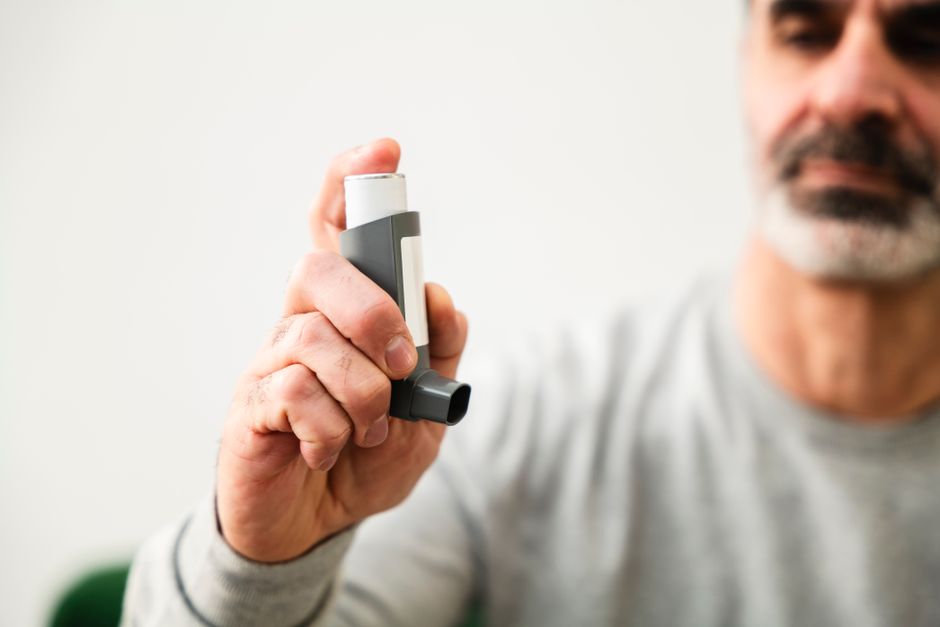
Use your maintenance inhaler every day, even when you feel fine. This is where many people slip. Long-acting bronchodilators and inhaled corticosteroids are prescribed to keep airways stable. They do not work if used only when symptoms flare. Rescue inhalers are for sudden symptoms and are not a substitute.
Learn proper inhaler technique. A large share of people with COPD use their inhalers incorrectly, which means the medicine never reaches the lungs. Ask a pharmacist or nurse to watch you use it. This is a simple fix with real payoff.
Follow an action plan. A written COPD action plan tells you what to do when symptoms change. Research indicates that people with a written plan and regular follow-up have fewer and shorter exacerbations. Ask your care team for one if you do not have it.
Which Triggers Should You Avoid?
Triggers vary from person to person, but several are common and worth managing.
- Respiratory infections. Colds, flu, and COVID-19 are leading causes. Handwashing, avoiding sick contacts, and vaccination all help.
- Air pollution and smoke. Check local air quality on high-pollution days and limit time outdoors when it is poor.
- Secondhand smoke. Even if you have quit, others’ smoke can trigger symptoms.
- Cold air. Breathing through a scarf or mask over the nose and mouth can warm the air before it reaches your lungs.
- Strong fumes and chemicals. Cleaning products, paint, and solvents can irritate airways.
- Dust and allergens. If you also have allergies, controlling them may reduce flare-ups.
One non-obvious point: indoor air matters as much as outdoor air. Cooking fumes, wood smoke, and poor ventilation can be significant triggers inside your own home.
Does Exercise and Pulmonary Rehabilitation Help?
Yes. Pulmonary rehabilitation is one of the most well-supported interventions for COPD. It is a structured program of supervised exercise, breathing techniques, and education.
Research consistently shows that pulmonary rehabilitation improves breathlessness, exercise capacity, and quality of life, and it reduces hospital admissions after a flare-up. It does not reverse lung damage, and it is not a cure. But the evidence for its benefits is strong.
Some people avoid exercise because they fear becoming short of breath. That fear is understandable but often counterproductive. Deconditioning makes breathlessness worse over time. A supervised program helps you build tolerance safely.
If you have had a recent exacerbation, ask your clinician about rehabilitation. It is often recommended after a hospitalization for a flare-up.
How Do You Recognize and Act on Early Warning Signs?
Most flare-ups give warning signs before they become severe. Catching them early can mean the difference between managing at home and going to the hospital.
Watch for changes from your normal baseline. That could be needing your rescue inhaler more often, waking at night with breathlessness, or a change in sputum color from clear to yellow or green. Fatigue, confusion, or swelling in the ankles can also signal trouble.
If you have an action plan, follow it. It usually tells you to increase rescue inhaler use, start medications your clinician has prescribed for flares, and call your care team.
Seek emergency care if you have severe breathlessness, chest pain, blue lips or fingertips, confusion, or you cannot speak in full sentences. These are not wait-and-see symptoms.
What Role Do Medications and Monitoring Play?
Medications reduce flare-up frequency, but only when used correctly and consistently.
Long-acting bronchodilators relax the muscles around the airways. Inhaled corticosteroids reduce airway inflammation and are typically used in people with frequent exacerbations. Combination inhalers are common. Some people with frequent flares and certain inflammatory markers may be prescribed other medications, but this is a decision for your clinician.
Antibiotics and oral steroids are sometimes prescribed for flares. Steroid courses are generally short. They are not for routine prevention and are not meant for long-term use.
Monitoring matters too. Regular check-ins with your care team allow adjustments before problems build. Some people benefit from home pulse oximetry, though its usefulness varies and it is not a substitute for clinical assessment.
| Prevention strategy | What the evidence shows |
|---|---|
| Smoking cessation | Strongest single step to slow lung decline and reduce flares |
| Vaccination | Reduces infection-triggered exacerbations |
| Daily maintenance inhalers | Reduce flare frequency when used correctly |
| Pulmonary rehabilitation | Improves symptoms and reduces hospital admissions |
| Written action plan | Linked to fewer and shorter exacerbations |
| Trigger avoidance | Reduces exposure to common flare causes |
What About Nutrition and Hydration?
Staying well hydrated helps keep mucus thinner and easier to clear. This is basic physiology, and it is widely recommended, though the specific benefit for flare-up prevention is not strongly established in trials.
Eating well matters for overall strength and immune function. Some people with COPD lose weight unintentionally, which can worsen outcomes. Others carry extra weight, which can make breathing harder. A balanced diet and, when needed, guidance from a dietitian can help.
Be cautious with supplements marketed for lung health. No supplement has been shown in large human trials to prevent COPD exacerbations. If you are considering one, talk with your clinician first, especially since some can interact with medications.
Frequently Asked Questions
Can COPD flare-ups be prevented completely?
No, flare-ups cannot be prevented entirely, but their frequency and severity can be reduced. Consistent treatment, vaccination, trigger avoidance, and early action on warning signs lower the risk.
What is the most common trigger for a COPD exacerbation?
Respiratory infections are the most common trigger. Colds, flu, and COVID-19 frequently set off flare-ups in people with COPD.
Should I use my rescue inhaler every day to prevent flare-ups?
No, rescue inhalers are for sudden symptoms and are not a substitute for daily maintenance medication. Using a rescue inhaler more often than usual may be an early warning sign of a flare-up.
When should I go to the hospital for a COPD flare-up?
Go to the emergency room if you have severe breathlessness, chest pain, confusion, blue lips or fingertips, or cannot speak in full sentences. These signs mean the flare-up is severe and needs immediate care.
