
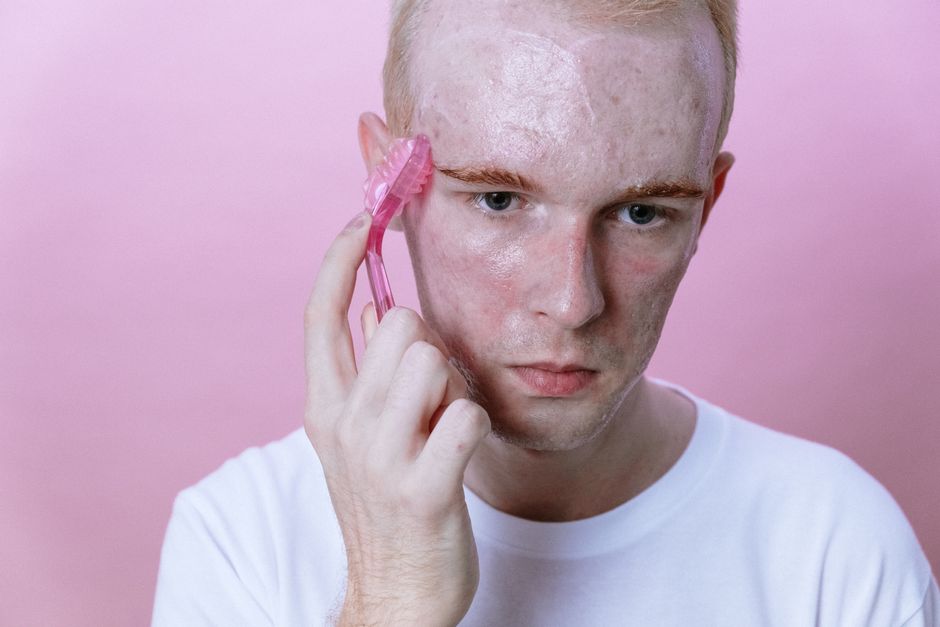
Chin acne has a stubborn reputation, and there is a real reason for it. The skin around your chin and jawline is thick, packed with oil glands, and constantly touched by your hands, your phone, and often a helmet strap or a scarf. It also sits in a hormone-sensitive zone that responds to the same androgens that drive oil production. To prevent chin acne, you have to address the specific triggers in that area — oil, friction, hair removal irritation, and hormonal fluctuation — rather than treating your whole face the same way.
Most chin breakouts fall into one of a few patterns: clogged pores from oil and dead skin, irritation from friction or shaving, or deeper inflamed bumps tied to hormones. The solution depends on which pattern you have. What works for one person’s chin may do nothing for another’s. The sections below explain the causes honestly and separate what has solid evidence behind it from what is mostly marketing.
How To Prevent Chin Acne Causes And Solutions
Prevention starts with understanding that the chin is not like your forehead or cheeks. The chin and jawline have a dense concentration of sebaceous glands, and those glands respond strongly to hormonal signals. This is why chin acne often appears in a cyclical pattern in women and why it can flare during times of stress or hormonal change.
The practical prevention approach rests on a few pillars that have consistent clinical support:
- Reduce friction and contact. Keep hands off the chin. Clean your phone screen. Wash or change helmet straps, chin straps, and scarf material that rests against the jaw.
- Use a gentle, consistent cleansing routine. Twice-daily washing with a mild cleanser removes oil and debris without stripping the skin. Over-washing tends to make oil production worse, not better.
- Avoid heavy or comedogenic products on the lower face. Thick creams and occlusive makeup can trap oil in the pores of the chin more than on thinner areas of skin.
- Change pillowcases regularly. You spend hours with your chin and jaw pressed against fabric that collects oil, sweat, and residue.
- Do not pick or squeeze. Picking pushes bacteria and debris deeper and is a major cause of scarring and dark marks.
These steps are low-risk and supported by general dermatologic practice. They will not fix every case of chin acne, especially hormonal acne, but they remove common aggravating factors that make breakouts worse.
Why Does Chin Acne Keep Coming Back?
Chin acne returns because the underlying conditions that produce it rarely go away on their own. Acne forms when a pore becomes blocked by oil and dead skin cells, bacteria that normally live on the skin multiply in the blocked pore, and the body responds with inflammation. On the chin, all of these steps are amplified.
The chin’s oil glands are both numerous and sensitive to androgens — hormones like testosterone that are present in everyone, though in different amounts. When androgen levels rise or fluctuate, oil production increases. That is why chin acne in women often tracks with the menstrual cycle, appearing in the days before a period. It also explains why chin acne can persist through adulthood even when teenage acne on other areas of the face has settled.
There is a detail worth knowing: adult acne is more common in women than men, and it tends to concentrate on the lower face — the chin and jawline — rather than the forehead and cheeks. This lower-face pattern is one reason clinicians often consider hormonal factors when a woman has persistent chin breakouts.
If chin acne keeps returning, it usually means the trigger — oil production, hormonal fluctuation, friction, or a product — is still present. Removing one pimple does not remove the condition that created it.
What Causes Chin Acne in Women Specifically?
Hormonal fluctuation is the leading explanation for persistent chin acne in adult women. The chin and jawline are especially responsive to androgens, and small shifts in these hormones can drive oil production and clogged pores.
Common hormonal triggers include:
- The normal rise and fall of hormones across the menstrual cycle
- Starting, stopping, or changing hormonal contraception
- Polycystic ovary syndrome (PCOS), a condition where androgens are elevated — though not everyone with chin acne has PCOS
- Times of significant stress, which can affect hormone signaling
- Coming off certain medications
It is important to be honest here: not all chin acne in women is hormonal. Friction, hair removal, and skincare products cause plenty of it. But when chin breakouts are deep, painful, cyclical, and resistant to standard over-the-counter treatment, hormonal evaluation is reasonable to discuss with a clinician. A clinician can look at the pattern and decide whether testing is warranted. Chin acne alone is not proof of a hormonal disorder.
Can Shaving and Hair Removal Cause Chin Acne?
Yes. Shaving and hair removal are common and often overlooked causes of chin breakouts. The mechanism is different from hormonal acne, and so is the solution.
Shaving can irritate the hair follicles and open small breaks in the skin where bacteria can enter, leading to inflamed bumps that look like acne but are actually folliculitis — inflammation of the follicle itself. Ingrown hairs, where a hair curls back into the skin, produce red bumps that mimic pimples. These are not the same as acne and do not respond to the same treatments in the same way.
Waxing and plucking can also cause irritation and ingrown hairs on the chin. The practical steps that reduce this kind of breakout include:
- Shaving with the grain of the hair, not against it
- Using a clean, sharp razor and changing it regularly
- Softening the hair with warm water before shaving
- Using a shaving product that reduces friction
- Avoiding close shaves on already-irritated skin
If bumps appear mainly after hair removal, in the exact pattern of the hair follicles, folliculitis or ingrown hairs are more likely than true acne. That distinction matters because the treatment approach differs. Some clinicians recommend letting the skin rest from hair removal to see whether the bumps clear.
Does Diet Affect Chin Acne?
The evidence on diet and acne is real but limited, and it is often overstated in both directions. Some studies suggest that high-glycemic diets — those heavy in refined sugars and quickly digested carbohydrates — may be associated with more acne. Some research also points to a possible link with dairy, particularly skim milk.
What the evidence does not support is the idea that a specific food reliably causes chin acne in every person, or that cutting out a food will clear your skin. The relationship appears to be modest and varies between individuals.
A reasonable reading of the evidence: if you notice your chin acne consistently flares after a particular food, it is fair to test removing it for a period and observe. But there is no strong clinical basis for broad elimination diets as an acne treatment. Anyone considering significant dietary changes, especially cutting out major food groups, should weigh that against the limited evidence. Severe or restrictive dieting to treat acne is not supported.
What Actually Works to Treat Chin Acne?
Treatment depends on the type and severity of the acne, and the honest position is that mild chin acne often responds to over-the-counter options while deeper or persistent acne usually needs a clinician’s input.
For mild comedonal acne — blackheads and whiteheads — topical treatments containing benzoyl peroxide or salicylic acid are widely used and have reasonable evidence behind them. These ingredients help clear blocked pores and reduce the bacteria involved in acne. They can cause dryness and irritation, so they are usually introduced gradually.
For inflamed or persistent acne, a clinician may recommend prescription topical treatments such as retinoids, or in some cases oral medications. Hormonal acne in women is sometimes treated with hormonal approaches, which is a decision that requires a clinician’s assessment.
A few honest cautions:
- No product clears acne overnight. Most topical treatments take weeks to show meaningful improvement, and timelines vary.
- Biological reasoning — “this ingredient reduces oil, so it should help” — is not the same as proven clinical benefit. Some popular ingredients have far less evidence than their marketing suggests.
- Natural or “clean” products are not automatically gentler. Essential oils and fragrances can irritate skin and worsen inflammation.
- If chin acne is deep, painful, or leaving scars, that is a reason to see a clinician rather than keep trying products.
For anyone with severe acne, scarring, or acne that has not improved with over-the-counter treatment, professional evaluation is the appropriate step. This is not a failure of willpower or routine — some acne genuinely requires medical treatment.
When Should You See a Doctor About Chin Acne?
See a clinician if chin acne is deep and painful, leaves scars or dark marks, or does not improve after a reasonable trial of over-the-counter treatment. Those are signs that self-care is not enough.
Also worth a conversation: chin acne that appears suddenly in adulthood, comes with other signs of hormonal imbalance such as irregular periods or unusual hair growth, or flares in a clear cyclical pattern that bothers you. A clinician can help determine whether hormonal factors are involved and discuss options.
The bottom line is that chin acne has real, identifiable causes — oil, hormones, friction, hair removal, and product irritation. Prevention means addressing the specific triggers in that area. Treatment means matching the approach to the type of acne you have. Neither happens overnight, and neither requires believing marketing claims over evidence.
Frequently Asked Questions
Why do I only get acne on my chin?
The chin has a dense concentration of oil glands that are especially sensitive to hormones, so it breaks out more readily than other areas. Friction from hands, phones, and straps adds to the problem.
Is chin acne hormonal?
Often it is, especially in adult women, but not always. Friction, hair removal, and skincare products also cause chin breakouts, so the pattern and timing help tell them apart.
How long does it take to clear chin acne?
It varies by type and treatment, and no product works overnight. Most topical treatments take several weeks to show meaningful improvement, and some acne requires medical treatment.
Does toothpaste help chin acne?
No. There is no clinical evidence that toothpaste treats acne, and it can irritate and dry the skin. Standard acne treatments with supporting evidence are the better choice.
