
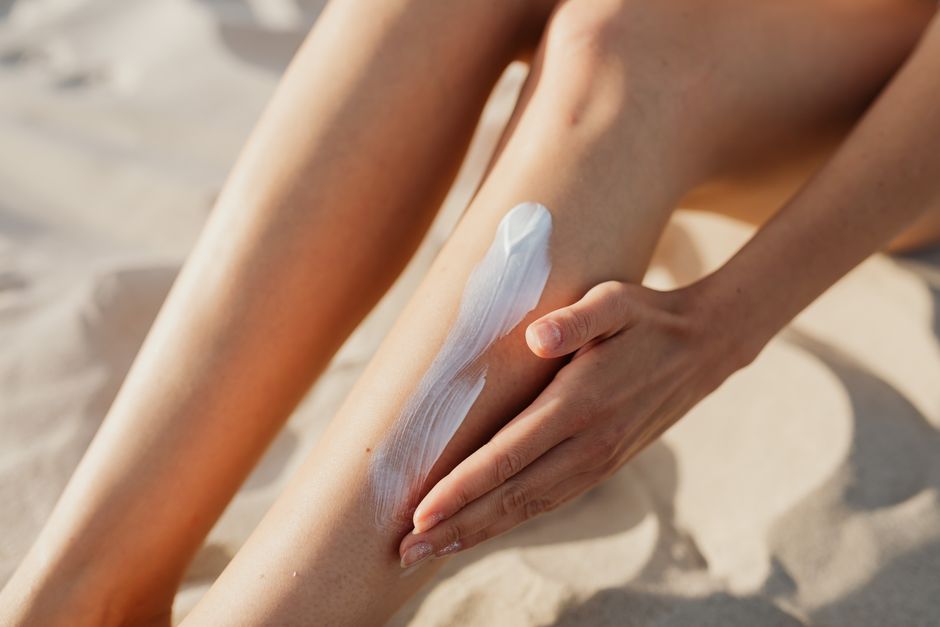
Chafing between the thighs happens when skin rubs against skin, and the fix comes down to three things: reduce the friction, control the moisture, and give the skin a barrier. That combination works whether you are walking a 5K, working a double shift, or just wearing a dress on a hot day. Most people can prevent it with the right clothing, a lubricant or anti-chafe product, and a little attention to fit. When it does happen, treating it early keeps a small irritation from turning into broken skin.
What Actually Causes Thigh Chafing?
Chafing is a friction injury to the outer layer of skin. When two skin surfaces rub together repeatedly, the top layer (the stratum corneum) gets worn down. Once that barrier is compromised, sweat, salt, and bacteria get into the raw area and cause the sting and redness people recognize immediately.
Three factors make it worse:
- Moisture. Sweat softens the skin and lowers its resistance to friction. Damp skin breaks down faster than dry skin.
- Heat. Warmth increases sweat and swells the skin slightly, which increases contact between thighs.
- Salt and grit. Dried sweat leaves salt crystals that act like sandpaper against already-irritated skin.
Body shape matters, but not the way most people assume. Chafing is more about how much skin-to-skin contact exists during movement than about weight. Runners, cyclists, and people who work on their feet all deal with it regardless of size.
One thing worth knowing: chafing and a fungal infection can look similar at first. If the rash has a sharp, raised border, itches intensely, or does not improve with basic chafe care, that points toward a fungal issue rather than simple friction. Those need different treatment. A doctor can tell the difference.
How Do You Prevent Chafing Thighs Before It Starts?
Prevention works best when you address friction and moisture at the same time. Doing only one usually fails.
Start with what you wear. Seamless, snug-fitting shorts that cover the inner thigh remove the skin-on-skin contact entirely. This is the single most reliable fix. Loose shorts and skirts that ride up create the exact conditions for rubbing. Look for moisture-wicking fabric rather than cotton, which holds sweat against the skin.
For the skin itself, a barrier product makes a real difference. There are two main types:
- Lubricants (petroleum jelly, dimethicone-based creams, silicone-based anti-chafe balms) reduce friction directly. They work well for shorter activities.
- Powders (talc-free body powders, cornstarch-based options) absorb moisture. They help in dry heat but can clump when you sweat heavily.
Some people use both — powder first, then a light balm on high-friction zones. There is no clinical guideline that says one approach is superior. It comes down to your activity, your climate, and how much you sweat.
A note on powders: inhaling large amounts of powder is not good for lungs, and this is a particular concern for anyone applying powder to a baby or in an enclosed space. Apply carefully and avoid breathing it in.
Which Anti-Chafe Products Are Worth Using?
The evidence base for specific anti-chafe products is thin. Most products are tested by athletes and reviewed anecdotally rather than in controlled trials. That does not mean they do not work — it means the research is limited.
What we do know from general dermatology is that reducing friction and moisture prevents friction injuries. So the products most likely to help are the ones that do those two things.
Petroleum jelly is the oldest and cheapest option. It creates a physical barrier and holds up reasonably well for moderate activity. It can stain clothing and feels heavy in heat.
Dimethicone and silicone-based products spread thin, stay put longer, and resist washing off with sweat. They tend to cost more.
Zinc oxide creams, the kind used for diaper rash, are sometimes recommended for already-irritated skin. Zinc oxide is soothing and protective. It is not ideal as a preventive lubricant because it is thick and can be messy.
Be skeptical of any product claiming to “heal” chafing or prevent infection. No anti-chafe product is a treatment for broken skin or infection. If the skin is cracked or weeping, that needs proper wound care, not a balm.




Does Clothing Choice Really Matter That Much?
Yes, more than any single product. Clothing controls both friction and moisture, and it does so continuously while you move.
The key features to look for:
- Fit. Snug enough to stay in place, not so tight it restricts movement or creates new pressure points.
- Fabric. Synthetic moisture-wicking blends move sweat away from skin. Cotton absorbs and holds it.
- Seams. Flatlock or seamless construction reduces the ridges that dig into skin.
- Length. For shorts and skirts, enough length to cover the inner thigh where contact happens.
For people who prefer skirts or dresses, anti-chafe shorts worn underneath solve the problem without changing the outfit. These are widely used and effective for most people.
Change out of wet clothing promptly after activity. Sitting in damp fabric keeps skin soft and vulnerable long after the exercise ends.
What Should You Do If Chafing Already Happened?
Stop the friction first. If you keep rubbing irritated skin, it will get worse no matter what you apply.
Clean the area gently with mild soap and lukewarm water. Pat dry — do not rub. Then protect it. Petroleum jelly or a zinc oxide cream works well for mild cases. A cool compress can reduce stinging.
Give the skin time to recover before returning to the activity that caused it. Depending on how irritated the skin is, that can mean a day or several days. There is no fixed timeline that applies to everyone.
See a doctor if you notice:
- Increasing redness, warmth, or swelling
- Pus or fluid draining from the area
- A rash with a sharp border that spreads
- Fever
- No improvement after several days of basic care
These signs can point to a bacterial or fungal infection, which needs specific treatment. Chafed skin is more vulnerable to infection because the barrier is broken.
One common mistake: applying more friction-reducing product to already-broken skin and continuing the activity. That can trap bacteria and make things worse. Once skin is open, the priority shifts from prevention to wound care.
How To Prevent Chafing Thighs in Hot Weather and During Exercise
Heat and sweat are the two biggest drivers, so hot-weather prevention needs to be more aggressive than what works in cool conditions.
Apply your anti-chafe product before you start sweating, not after. Once skin is already damp, products do not adhere as well.
Reapply during long activities. A marathon runner or someone hiking all day may need to reapply every few hours. There is no standard interval — it depends on how much you sweat and how long the product lasts for you.
Stay hydrated. This does not prevent chafing directly, but dehydration concentrates the salt in your sweat, and salt is more irritating to skin.
Take breaks in cool, dry areas when you can. Cooling down reduces sweating, which reduces the moisture that softens skin.
For people who chafe mainly from walking or standing rather than intense exercise, the same principles apply on a smaller scale. Snug shorts, a light balm, and changing out of damp clothes when you get home covers most situations.
Frequently Asked Questions
Does chafing go away on its own?
Mild chafing usually heals within a few days once the friction stops and the skin is kept clean and protected. If it does not improve or gets worse, see a doctor.
Is Vaseline good for thigh chafing?
Petroleum jelly is a reasonable barrier for preventing and managing mild chafing because it reduces friction and holds moisture out. It is not a treatment for infected or broken skin.
Can chafing turn into an infection?
Yes. Broken skin from chafing is more vulnerable to bacterial and fungal infections. Signs like pus, spreading redness, or fever need medical attention.
What is the best way to prevent chafing thighs when wearing a dress?
Anti-chafe shorts worn under the dress remove skin-on-skin contact and are the most reliable option. A silicone-based balm on the inner thighs is a good backup.
