
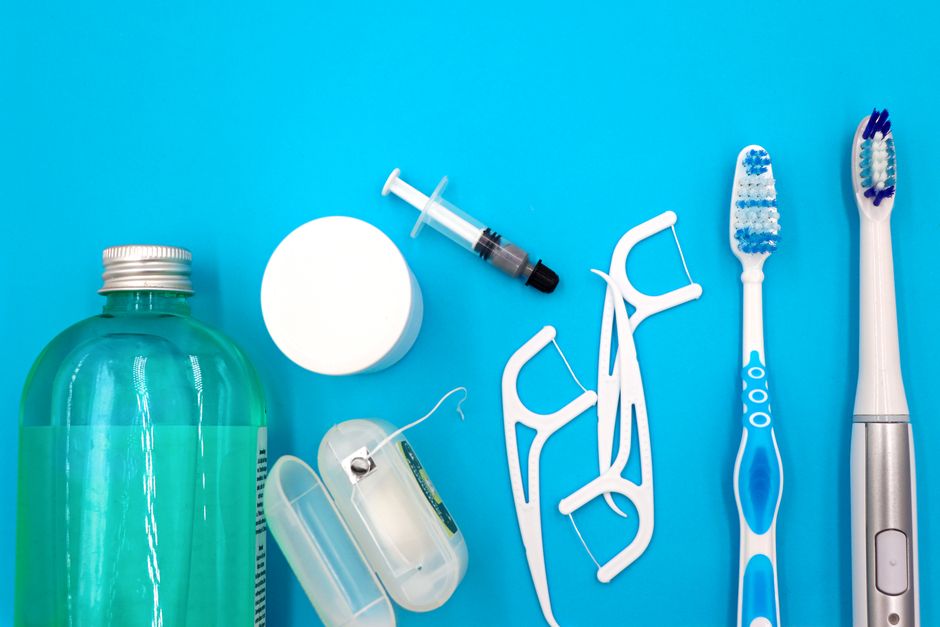
Cavities are preventable with braces, but the habits that protect teeth have to change once brackets and wires are in place. Food and plaque collect around brackets, under wires, and along the gumline in ways a toothbrush alone cannot reach. The core answer: brush after every meal and snack, clean between the brackets and under the wires with a tool designed for braces, limit how often sugar touches your teeth, and keep every orthodontic and dental checkup. Do those four things consistently and the cavity risk that comes with braces drops sharply.
Why Do Braces Increase Cavity Risk?
Braces do not cause cavities. They create places where plaque can hide and where saliva cannot easily wash it away.
Saliva normally clears food debris and neutralizes acid on the smooth surfaces of teeth. Brackets, bands, and wires block that cleaning action. Plaque builds up in a ring around each bracket and along the gumline. Bacteria in plaque feed on sugar and produce acid. That acid dissolves tooth enamel and starts a cavity.
The problem areas are predictable. Plaque collects around the edges of brackets, under archwires, between the wire and the tooth, and along the gumline where brackets sit close to the gums. The chewing surfaces of back teeth still trap food as they always did. Braces simply add more surfaces that need cleaning and make them harder to reach.
White spot lesions are the early warning. These are chalky white marks on the enamel around brackets, usually near the gumline. They are the first sign of mineral loss from acid. Research on orthodontic patients consistently finds that white spot lesions are common during treatment, especially in people who do not clean thoroughly. A white spot is not yet a cavity. It can still be reversed if the enamel gets a chance to remineralize. Once the surface breaks down, it is a cavity and needs a filling.
One clarification that surprises people: the risk is not just about how well you brush. It is about how often acid attacks your teeth. A person who brushes twice daily but sips a sugary drink all afternoon may have more acid exposure than someone who brushes three times and never snacks. Frequency of sugar matters as much as cleaning technique.
How Should You Brush Teeth With Braces?
Brush after every meal and snack, not just morning and night. That is the single most useful change for anyone in braces.
Use a soft-bristled toothbrush. A manual brush works well if you use good technique. A powered brush can help because it does some of the motion for you, but it is not required. What matters is reaching the plaque around each bracket.
Angle the bristles at about 45 degrees toward the gumline and brush in small circles. Then angle the brush down from above each bracket and up from below it, so the bristles sweep the bracket edges and the wire. Brush the chewing surfaces and the back of the last teeth, which are easy to miss. Spend time on the gumline where brackets sit close to the gums.
Two minutes is the usual recommendation for a full clean. With braces, many orthodontists suggest going a little longer to make sure nothing is skipped. Replace your brush when the bristles fray, which happens faster with braces because the brackets wear the bristles down.
Fluoride toothpaste is the standard recommendation for cavity prevention. Fluoride helps enamel resist acid and supports remineralization of early mineral loss. It is not a substitute for cleaning, but it adds protection. Spit out the toothpaste after brushing rather than rinsing with a lot of water, since rinsing washes away the fluoride that keeps working on the teeth.
What Is the Best Way to Clean Between Brackets and Under Wires?
A toothbrush cannot reach the spaces between teeth or fully clean under a wire. Those areas need a separate tool every day.
Interdental brushes are small brushes that fit between the teeth and around brackets. They are often the most practical tool for braces because they can clean under the wire and between teeth at the same time. Orthodontists commonly recommend them. Floss still matters for the tight spaces between teeth, and there are floss threaders and floss designed for braces that let you thread under the wire. Water flossers can help rinse debris out of hard-to-reach spots, but they should not replace brushing or flossing. The evidence does not show that a water flosser alone cleans as well as brushing plus interdental cleaning.
The practical routine for most people in braces looks like this:
- Brush with fluoride toothpaste after every meal and snack.
- Use an interdental brush or floss threaded under the wire at least once a day, ideally after the main meals.
- Clean around each bracket and along the gumline, not just the flat surfaces.
- Check your work in a mirror, especially the back teeth and the gumline under the wire.
Disclosing tablets are a useful check. These are chewable tablets that stain plaque a bright color so you can see what you missed. They are not a treatment, but they show you where your cleaning is falling short. Many orthodontic offices hand them out for exactly this reason.
Which Foods and Drinks Cause the Most Trouble With Braces?
Sugar frequency is the main driver of cavity risk during braces. Sticky foods that cling to brackets and sugary drinks sipped throughout the day are the biggest problems.
Every time sugar touches your teeth, bacteria produce acid for roughly 20 to 30 minutes afterward. Sipping a sugary drink over an hour means repeated acid attacks. The same applies to slowly eating a snack. The total amount of sugar matters less than how often the teeth are exposed.
Foods that physically stick to brackets are a separate problem. Caramel, taffy, gummy candy, and sticky dried fruit can lodge around brackets and stay there. Hard foods that can break brackets, like ice, hard candy, and nuts, are also a concern because a broken bracket means an extra visit and a spot that is harder to clean until it is fixed.
What helps:
- Drink water after eating to help rinse debris and dilute acid.
- Keep sugary drinks to mealtimes rather than sipping all day.
- Choose snacks that clear the mouth quickly rather than sticky ones that cling to brackets.
- If you eat something sticky, brush or rinse soon afterward.
Some clinicians also recommend fluoride mouth rinses for people at higher cavity risk during orthodontic treatment. This is common practice, but the evidence for routine use in every braces patient is not strong. Ask your orthodontist or dentist whether a fluoride rinse fits your situation rather than assuming it is needed.
How Often Do You Need Dental Checkups During Braces?
Keep your regular dental checkups and cleanings during orthodontic treatment. Braces are not a reason to skip them.
Your orthodontist adjusts the braces on a schedule. Your general dentist checks for cavities and gum problems and does professional cleanings. These are separate roles and both matter. Many dentists recommend checkups and cleanings at the usual interval during braces, often every six months, though your dentist may recommend a different schedule based on your cavity risk. Follow the schedule your own dentist sets rather than a general rule.
Tell your dentist about any new sensitivity, white spots, or areas that feel rough. Early problems are easier to manage than advanced ones. A small white spot can often be reversed. A cavity that reaches the inner layers of the tooth may need a filling, and in some cases a root canal. Catching problems early is the whole point of regular checkups.
Gum health deserves attention too. Braces make it harder to clean along the gumline, and plaque buildup there can cause gingivitis, which shows up as red, swollen, or bleeding gums. Good daily cleaning usually keeps this in check. If gums bleed consistently, mention it at your next visit.
How To Prevent Cavities With Braces: Tips That Work
The habits that work are not complicated. They just have to be done consistently, every day, for the length of treatment.
Brush after every meal and snack with fluoride toothpaste. Clean between the brackets and under the wires with an interdental brush or floss made for braces. Limit how often sugar touches your teeth, especially sticky foods and sipped drinks. Use disclosing tablets now and then to check your technique. Keep every dental checkup and cleaning. Tell your dentist or orthodontist about white spots, sensitivity, or bleeding gums as soon as you notice them.
One honest point about expectations: braces treatment is long, and the cavity risk builds over that time. A single missed brushing does not cause a cavity. Months of inconsistent cleaning around brackets does. The people who finish braces without new cavities are usually the ones who built a routine early and stuck with it, not the ones with the most expensive tools.
If your cleaning routine is not working, say so at your next orthodontic visit. Your orthodontist can show you where you are missing and suggest tools that fit your braces. That conversation is often more useful than any product you can buy.
Frequently Asked Questions
Can braces cause cavities even if I brush twice a day?
Yes, because brushing twice a day may not be enough when brackets trap plaque and sugar exposure is frequent. Brushing after every meal and cleaning between brackets and under wires is what lowers the risk.
What is the best toothbrush for braces?
A soft-bristled brush, manual or powered, works well if you angle it around each bracket and along the gumline. Many orthodontists also recommend a small interdental brush for cleaning under the wire.
Do white spots on teeth with braces mean I have a cavity?
Not necessarily. White spots are early mineral loss and can often be reversed with better cleaning and fluoride, but they are a warning sign that needs attention at your next dental visit.
Can I still drink soda with braces?
You can, but sipping sugary or acidic drinks throughout the day keeps acid on your teeth for long stretches. Keeping them to mealtimes and rinsing with water afterward reduces the exposure.
