
You cannot remove calculus on your own, but you can prevent most of it from forming. Calculus is hardened dental plaque, and plaque starts as a soft, sticky film you can brush and floss away. Once plaque stays on teeth long enough, minerals in your saliva harden it into a crust that only a dental professional can scrape off. The single most effective prevention step is disrupting plaque every day before it hardens.
What Is Calculus And Why Does It Form?
Calculus is plaque that has mineralized. It is sometimes called tartar, and the two words mean the same thing. Plaque is a community of bacteria, food debris, and saliva proteins that sticks to teeth. If you do not remove it, saliva delivers calcium and phosphate into that film, and over time it hardens into a mineralized deposit.
This hardening does not happen overnight. Plaque begins to mineralize within roughly 24 to 72 hours in most people, though the exact pace varies. That window is why daily brushing and flossing matter so much. You are not trying to remove calculus. You are trying to remove plaque before it gets the chance to become calculus.
Calculus forms both above the gumline (supragingival) and below it (subgingival). The above-gumline kind is what you can see as yellow or brown deposits near the gum line. The below-gumline kind is hidden and can only be detected and removed by a dental professional.
How To Prevent Calculus On Teeth From Forming
Prevention comes down to three habits: remove plaque thoroughly, remove it often enough, and get professional cleanings on a schedule your dentist recommends. No toothpaste or rinse has been shown to dissolve existing calculus, so the goal is always stopping plaque from getting there in the first place.
Brush thoroughly twice a day
Use a soft-bristled toothbrush and a fluoride toothpaste. Brush for about two minutes, twice daily, and pay particular attention to the gum line, where calculus most often builds. The angle matters: tilt the brush about 45 degrees toward the gums so the bristles reach the plaque that collects where tooth meets gum.
An electric toothbrush is not required, but some evidence suggests powered brushes remove plaque somewhat more effectively than manual brushing for many people. Manual brushing done well is still effective. Consistency matters more than the tool.
Clean between your teeth daily
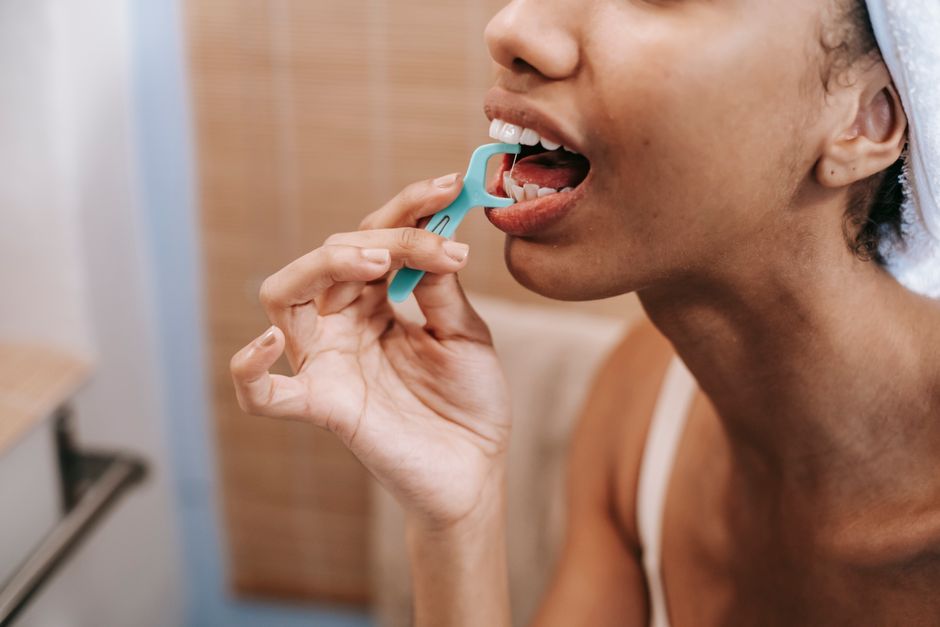
Brushing alone does not reach the spaces between teeth, and those spaces are prime real estate for plaque to harden. Floss, interdental brushes, or water flossers all help disrupt plaque between teeth. Flossing once a day is the standard recommendation. Interdental brushes can be more effective than floss for people with wider gaps between teeth.
Use fluoride toothpaste
Fluoride helps harden tooth enamel and makes it more resistant to acid produced by bacteria. It does not dissolve calculus, but it supports the overall environment that keeps teeth healthy. Choose a toothpaste that carries the ADA Seal of Acceptance if you want a simple way to confirm it has been reviewed for safety and effectiveness.
Do not rely on tartar-control toothpaste to remove calculus
So-called tartar-control toothpastes are widely sold. Some contain ingredients like pyrophosphates that can slow the mineralization of plaque, which may reduce how much calculus forms. What they cannot do is remove calculus that has already hardened. That distinction is important and often blurred in marketing. A tartar-control paste may modestly help prevention. It will not clean your teeth for you.
Which Habits Make Calculus Worse?
Several everyday habits speed up plaque buildup and hardening. Smoking is a major one. Tobacco use is associated with more calculus formation and with gum disease, and it also stains teeth. If you smoke, quitting is one of the most meaningful things you can do for your mouth.
Frequent sugary snacks and drinks feed the bacteria in plaque and increase acid production. Sipping sugary drinks throughout the day keeps teeth bathed in sugar and acid, which is worse than having a sugary item with a meal. Dry mouth is another factor. Saliva helps clear food and neutralize acid, so when saliva flow drops, plaque accumulates more readily.
Dry mouth can come from medications, mouth breathing, or certain medical conditions. If your mouth feels persistently dry, that is worth raising with a dentist or doctor. Some clinicians recommend sugar-free gum or lozenges to stimulate saliva, though the evidence for preventing calculus specifically is limited.
How Often Should You Get Professional Cleanings?
Professional cleanings remove calculus that has already formed, and that is the only reliable way to get rid of it. Most dental professionals recommend a cleaning every six months for people with healthy mouths, though the right interval varies. People with gum disease, a history of heavy calculus buildup, or certain risk factors may need cleanings more often. Your dentist can set an interval based on your mouth, not a universal rule.
It is worth being clear about one thing: a cleaning does not prevent future calculus by itself. It resets the clock. What keeps calculus from returning is what you do between visits.
Do Home Remedies Remove Calculus?
No home remedy has been shown to remove established calculus. This is one of the most persistent myths in oral care. Claims about baking soda pastes, vinegar rinses, or oil pulling dissolving tartar do not hold up. Some of these can even damage enamel if used aggressively. Vinegar and other acidic rinses can soften enamel over time, which is the opposite of what you want.
Baking soda toothpaste can help with stain removal and is a legitimate ingredient in many commercial pastes, but it does not dissolve hardened calculus. Oil pulling, which involves swishing oil in the mouth, has been studied for some oral health measures with mixed and generally weak results. No clinical evidence currently confirms it removes calculus.
There is a practical reason home removal is a bad idea beyond the lack of evidence. Scraping at your own teeth with sharp tools can injure gums and enamel. The hardened deposit is bonded to the tooth surface. Removing it safely takes trained hands and proper instruments.
What Actually Removes Calculus Once It Has Formed?
Only professional removal works. A dental hygienist or dentist uses hand instruments called scalers and curettes, or an ultrasonic device, to physically break the deposit off the tooth. For deposits below the gumline, a procedure called scaling and root planing may be needed. This is more involved than a routine cleaning and is typically done when there is gum disease.
After removal, the tooth surface is often polished to make it smoother and slightly less hospitable to new plaque. Even so, plaque will begin to reform within hours. That is normal and expected. The goal is to keep disrupting it before it hardens again.
Who Is More Likely To Get Calculus?
Some people build calculus faster than others, and this is partly out of their control. Saliva composition varies from person to person. Saliva that is richer in calcium and phosphate can harden plaque more quickly. Age is a factor too, since calculus tends to accumulate over time. People who wear braces or other dental appliances may find plaque harder to remove and calculus more likely to form around brackets and wires.
Certain medications that reduce saliva flow can increase risk. So can medical conditions that cause dry mouth. None of this means prevention is hopeless. It means some people need to be more diligent and may benefit from more frequent professional cleanings. If you notice rapid buildup despite good home care, tell your dentist. That pattern is worth investigating.
The Bottom Line On Prevention
The formula is simple even if the discipline is not. Brush twice a day with fluoride toothpaste, clean between your teeth once a day, limit frequent sugary exposures, avoid tobacco, and keep up with professional cleanings at the interval your dentist recommends. Those steps target plaque before it hardens, which is the only point where prevention actually works.
No product on a shelf will dissolve calculus. Anyone selling you one is selling something the evidence does not support. The reliable path is daily plaque control plus professional maintenance.
Frequently Asked Questions
Can I remove calculus from my teeth at home?
No. Once plaque has hardened into calculus, it bonds to the tooth and can only be removed safely by a dental professional using proper instruments. Scratching at it yourself risks injuring gums and enamel.
Does tartar-control toothpaste really work?
It can modestly slow the hardening of plaque, but it cannot remove calculus that has already formed. Think of it as a possible aid to prevention, not a treatment.
How fast does plaque turn into calculus?
Plaque begins to mineralize within roughly 24 to 72 hours in most people, though the pace varies. That short window is why brushing and flossing daily matters so much.
Does flossing prevent calculus?
Yes, flossing helps because it removes plaque from between teeth where brushing cannot reach. Removing plaque before it hardens is the core of calculus prevention.
