
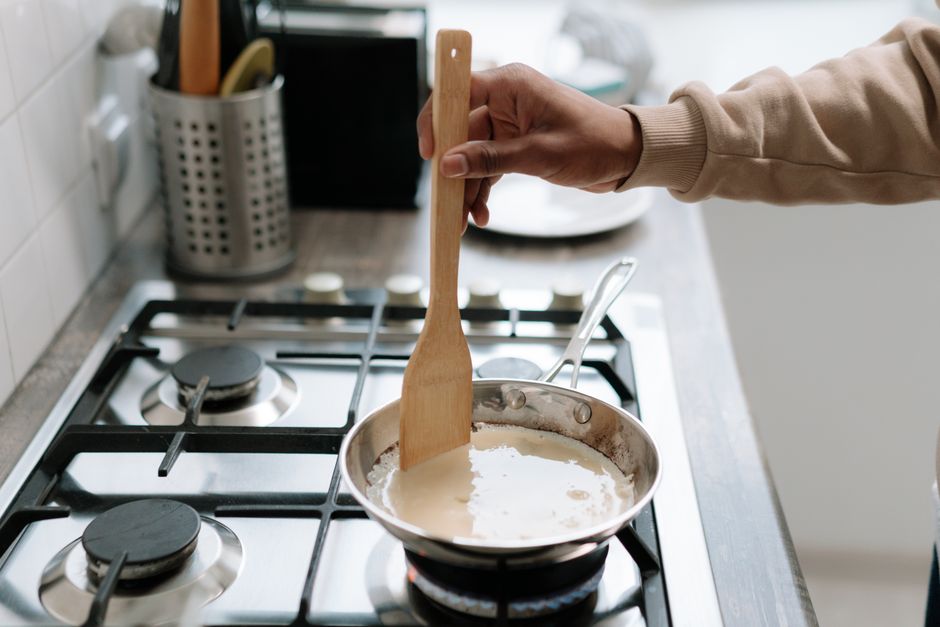
Kitchen burns are common, but most are avoidable with consistent habits. The core of burn prevention is simple: keep your body away from heat sources, keep your cooking area organized, and know what to do before an accident happens. By treating the kitchen as a zone that demands your full attention, you can dramatically lower your risk of injury.
Why Do Most Kitchen Burns Actually Happen?
Most kitchen burns do not happen because someone was careless. They happen because of distraction, clutter, or rushing. When you leave a pot handle sticking out, reach across a hot burner, or open a steaming pot without protection, you create a situation where injury becomes likely.
Another major cause is wet conditions. Water on the floor or on your hands can lead to slips and dropped hot items. Steam burns are also common and often underestimated. Steam can burn skin just as severely as boiling water, and it happens quickly.
Understanding the mechanism matters. Burns occur when skin tissue absorbs heat faster than it can dissipate it. The longer the contact, the deeper the damage. Even a brief touch of a hot pan surface at high heat can cause a serious injury in under one second. This is why prevention focuses on distance, barriers, and attention.
What Are The Most Effective Safe Habits To Prevent Burns?
The most effective habits are the ones you do every single time without thinking. Consistency matters more than any single safety gadget.
- Turn pot handles inward. Handles pointing out over the edge of the stove can be bumped by anyone walking by. This is especially important if you have children in the home. A handle pointing inward over the stove keeps hot contents away from accidental contact.
- Use dry oven mitts or potholders. A damp cloth conducts heat quickly. Wet fabric against a hot handle can scald your hand before you even feel the heat. Keep mitts dry and within reach.
- Open lids away from your face. When lifting a lid off a boiling pot, tilt it so the steam escapes away from your body. Steam burns to the face and eyes are painful and can cause permanent damage.
- Never leave cooking food unattended. Oil can overheat and ignite in minutes. A pot can boil over and cause a flare-up. Staying in the kitchen while cooking is the single simplest rule to follow.
- Keep a clear zone around the stove. Towels, paper products, wooden utensils, and food packaging should stay at least a foot away from burners. These items can catch fire quickly.
- Use the back burners first. Back burners are harder to reach accidentally. If you have children, this is a critical habit. Even without children, back burners reduce the chance of brushing against a hot surface.
These habits work because they remove the opportunity for contact. You cannot be burned by a pot you do not bump. You cannot be scalded by steam that is directed away from your face.
How Should You Handle Hot Liquids And Oil Safely?
Hot liquids and oil present different risks than dry heat. Liquid burns tend to cover larger areas of skin because they spread. Oil burns are particularly dangerous because oil reaches temperatures higher than boiling water and sticks to the skin.
When carrying a pot of hot liquid, move slowly and deliberately. Announce yourself if others are in the kitchen. Never carry hot liquid while also carrying a child or a pet.
When heating oil, watch it closely. Oil does not bubble when it is too hot the way water does. It can reach its smoke point and catch fire silently. If you see smoke rising from oil, turn off the heat immediately and let it cool. Do not move the pan.
If you are frying foods, pat them dry before adding them to oil. Water in hot oil causes violent splattering. The splatter can reach your face, arms, and chest. Lower food into oil gently rather than dropping it from a height.




What Kitchen Equipment Reduces Burn Risk?
Certain equipment genuinely lowers your risk of burns. These are not marketing gimmicks. They are tools designed to keep heat away from skin.
Stove guards are metal or glass panels that attach to the front of the stove. They create a physical barrier between you and the burners. These are especially useful in homes with young children.
Induction cooktops heat only the pan, not the surface around it. The cooktop itself stays cool to the touch. This eliminates the risk of accidentally resting your hand on a hot burner. If you are replacing a stove and burn prevention is a priority, induction is worth considering.
Long-handled utensils keep your hands away from heat. Tongs, spatulas, and ladles with extended handles allow you to stir and flip food without bringing your hand near the burner.
Splatter guards are mesh screens that sit over pans while frying. They block oil droplets from reaching your skin. They also prevent oil from coating nearby surfaces, which reduces slip hazards.
None of these tools replace attention. But they add a layer of protection that matters when attention lapses.
What Should You Do If A Kitchen Fire Starts?
A grease fire is one of the most dangerous kitchen events. Knowing what to do before it happens can prevent a burn or worse.
If a small fire starts in a pan, turn off the burner and cover the pan with a metal lid. Leave the lid on until the pan has completely cooled. Do not move the pan. Do not pour water on a grease fire. Water causes burning oil to splatter and spread the fire.
If the fire is in the oven, keep the oven door closed and turn off the heat. The fire will run out of oxygen and go out on its own. Opening the door feeds the fire oxygen and can cause flames to rush out toward you.
If a fire grows beyond a small pan or oven fire, get everyone out of the house and call emergency services. Do not attempt to fight a large fire yourself. Your safety is more important than any property.
Keep a fire extinguisher in or near the kitchen and know how to use it. Check the pressure gauge regularly. If you are not trained to use one, consider a fire blanket, which can be thrown over a small fire to smother it.
What Is The Correct First Aid For A Kitchen Burn?
Immediate first aid makes a significant difference in burn outcomes. The right response in the first minutes can reduce pain, prevent infection, and limit scarring.
For a minor burn, run cool — not cold — water over the area for 10 to 15 minutes. Cool water lowers the skin temperature and stops the burning process. Do not use ice. Ice can cause further tissue damage by constricting blood vessels.
Remove any jewelry or tight items near the burn area before swelling begins. Do not pop blisters. Blisters are a natural protective layer. Popping them increases infection risk.
Cover the burn loosely with a clean, dry cloth or sterile gauze. This keeps bacteria out while the skin heals. You can take over-the-counter pain relievers if needed, following the dosing instructions on the package.
Seek medical care if the burn is larger than the palm of your hand, if it is on the face, hands, feet, or genitals, if it appears white or charred, or if you have signs of infection such as increased redness, swelling, or pus.
For a chemical burn, such as from cleaning products, remove contaminated clothing and rinse the area with cool running water for at least 20 minutes. Call poison control or seek medical attention for any chemical burn.
How Do You Prevent Burns When Cooking With Children Present?
Children are at the highest risk for kitchen burns. Their height puts their faces and hands at the level of pot handles and hot surfaces. They also move quickly and unpredictably.
Create a no-go zone around the stove. Mark a boundary on the floor with tape or a mat and teach children to stay behind it when the stove is in use. This works best when it is a consistent rule, not an occasional one.
Use the back burners whenever possible. Keep all pot handles pointed inward. Never hold a child while cooking or carrying hot items. A child who squirms can easily cause you to spill hot liquid.
Keep hot drinks and soups away from the edges of tables and counters. Children can pull these down onto themselves. A cordless kettle or coffee maker placed well back from the counter edge reduces risk.
Teach older children basic kitchen safety before allowing them to cook independently. Start with tasks that do not involve heat, like washing vegetables or measuring ingredients. Gradually introduce heat-based tasks with direct supervision.
Frequently Asked Questions
How long should you run cool water over a burn?
Run cool water over a minor burn for 10 to 15 minutes. Do not use ice, which can damage tissue further.
Should you pop a burn blister?
No. Blisters protect the skin underneath from infection. Leave them intact and cover them loosely with a clean cloth.
What is the safest way to carry a pot of hot liquid?
Move slowly with both hands on the pot and keep the pot away from your body. Announce yourself if others are in the kitchen so no one bumps into you.
Are induction cooktops safer than gas stoves?
Yes, for burn prevention. Induction cooktops heat only the pan, leaving the surrounding surface cool to the touch, which eliminates accidental contact burns.
