
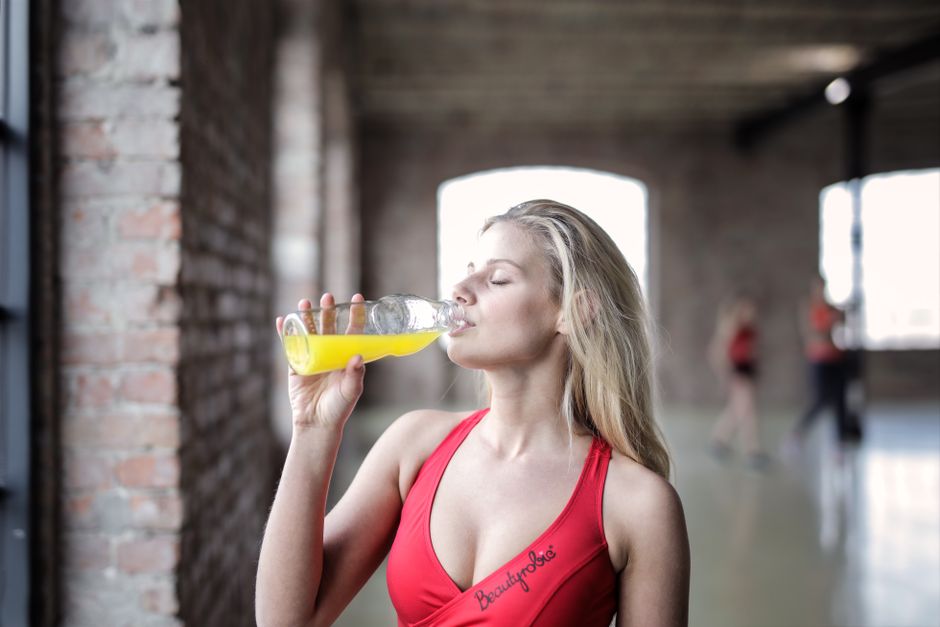
Waking up after a night of drinking with new pimples or a flushed, irritated face is frustrating. The connection between alcohol and breakouts is real, but it is not a direct cause-and-effect like a food allergy. Alcohol triggers a chain of physiological events that increase oil production, inflammation, and dehydration. You can prevent most of these breakouts by hydrating strategically, cleansing your skin before sleep, and choosing your drinks wisely. The most effective single step is to drink a full glass of water before bed, regardless of how much alcohol you consumed.
What Actually Causes the Breakout?
Alcohol does not directly create pimples. It creates the conditions where pimples are much more likely to form. The main culprits are dehydration, blood sugar spikes, and inflammation.
Alcohol is a diuretic. It makes your kidneys remove more water from your body than normal. This dehydrates your skin cells, which weakens the skin barrier. A weakened barrier allows bacteria and irritants to penetrate more easily. Your skin also tries to compensate for the water loss by producing more oil, or sebum. Excess oil mixes with dead skin cells and clogs pores.
Many alcoholic drinks contain high amounts of sugar or simple carbohydrates. Beer, sweet cocktails, and mixers like juice or soda cause blood sugar to rise quickly. Your body releases insulin to manage that sugar. Higher insulin levels trigger a hormone called IGF-1, which signals your oil glands to produce more sebum. This is the same pathway involved in acne triggered by high-glycemic diets.
Alcohol also causes systemic inflammation. Your liver processes alcohol as a toxin. This processing creates inflammatory byproducts that circulate through your body. Inflamed skin is more reactive and more prone to redness, swelling, and infected pores.
Why Do Some People Break Out and Others Do Not?
Genetics play a large role in how your skin reacts to alcohol. Some people have naturally more sensitive skin or a stronger inflammatory response. Others have oil glands that are easily stimulated by hormonal changes. If you have a history of hormonal acne, especially around your jawline or chin, alcohol is more likely to trigger a flare.
Your baseline skincare routine matters too. People who already use products with salicylic acid or benzoyl peroxide have a stronger barrier and are more protected. People who skip cleansing or moisturizing are more vulnerable.
The type of alcohol matters. Clear spirits like vodka and gin contain fewer congeners — byproducts of fermentation that contribute to inflammation. Darker drinks like whiskey, red wine, and rum contain more congeners. Some research suggests these compounds worsen hangovers and may increase skin inflammation. If you notice worse breakouts after red wine or bourbon compared to vodka, this difference is likely the reason.
How To Prevent Breaking Out After Drinking Alcohol
Prevention starts before your first sip and continues after your last. The steps below address the specific physiological changes alcohol causes.
Hydrate before, during, and after. Drink one full glass of water before you start drinking alcohol. Alternate each alcoholic drink with a glass of water. This dilutes the alcohol in your system and reduces dehydration. Before bed, drink another full glass of water. This single habit prevents most alcohol-related skin dehydration.
Eat before you drink. Drinking on an empty stomach causes faster alcohol absorption and a sharper blood sugar spike. A meal with protein and healthy fats slows absorption and stabilizes blood sugar. This reduces the insulin surge that stimulates oil production.
Choose lower-sugar drinks. Opt for spirits with a sugar-free mixer like soda water and lime. Avoid cocktails made with juice, simple syrup, or sweet liqueurs. Dry wines have less sugar than sweet wines. Beer contains carbohydrates, so it raises blood sugar more than spirits.
Wash your face before bed. This is non-negotiable. Sweat, oil, and environmental pollutants accumulate on your skin during the evening. If you do not remove them, they sit in your pores overnight. Use a gentle cleanser, not a harsh scrub. Follow with a moisturizer to support your skin barrier while it is dehydrated.
Do not skip your evening skincare routine. If you normally use a treatment product like salicylic acid or retinol, apply it as usual. These ingredients help keep pores clear and reduce inflammation. If you are too tired to do a full routine, at minimum wash your face and apply moisturizer.





What To Do the Morning After
If you wake up with redness or the start of a pimple, act quickly but gently. Your skin is dehydrated and inflamed. Harsh treatments will make it worse.
Wash your face with lukewarm water and a gentle cleanser. Apply a moisturizer with ceramides or hyaluronic acid to restore hydration. If you see a visible pimple, apply a spot treatment containing benzoyl peroxide or salicylic acid directly to that spot. Do not apply these products to your entire face when your skin is already irritated.
Drink water throughout the day. Your skin needs time to rehydrate from the inside. Caffeine is fine in moderation, but do not replace water with coffee or energy drinks.
Avoid picking or squeezing. Inflamed skin is more prone to scarring. Let the spot treatment work and give your skin 24 to 48 hours to recover.
Does the Type of Alcohol Matter?
Yes, the type of alcohol you drink affects your skin. The two main factors are sugar content and congener levels.
| Drink Type | Relative Sugar Content | Relative Congener Level |
|---|---|---|
| Vodka, gin, tequila (straight or with soda) | Low | Low |
| Dry white wine | Low to moderate | Low to moderate |
| Dry red wine | Low | High |
| Beer | Moderate (carbohydrates) | Moderate |
| Sweet cocktails, dessert wines | High | Variable |
| Whiskey, rum, brandy | Low | High |
If you want to minimize skin reactions, choose clear spirits with a sugar-free mixer. This does not eliminate the risk, but it reduces two of the main triggers: sugar spikes and inflammatory congeners.
Long-Term Skin Protection
If you drink regularly, your skin needs consistent support. A daily skincare routine with a gentle cleanser, moisturizer, and sunscreen protects your barrier. Sunscreen is especially important because alcohol can make your skin more sensitive to UV damage.
Consider adding an antioxidant serum with vitamin C to your morning routine. Alcohol generates oxidative stress in the body, and antioxidants help neutralize some of that damage. This is not a cure, but it supports your skin’s natural repair processes.
If you notice that even one drink reliably causes a breakout, pay attention to which drink it is. Some people react strongly to specific types of alcohol, particularly red wine. If you identify a pattern, the simplest prevention is avoiding that specific drink.
For people with persistent acne that worsens with alcohol, a dermatologist can help. Prescription treatments like topical retinoids or oral medications address the underlying causes more effectively than over-the-counter products. Your dermatologist can also help you determine whether alcohol is genuinely triggering your breakouts or whether another factor is involved.
When To See a Dermatologist
Occasional breakouts after a night out are normal. But if you develop painful cysts, deep nodules, or breakouts that last more than a week, professional help is warranted. Persistent acne can scar, and early treatment prevents permanent damage.
Also see a dermatologist if you notice that your skin does not recover between drinking episodes. Redness, flaking, or a rough texture that lasts for days suggests your skin barrier is compromised. A dermatologist can recommend a repair routine and identify any underlying conditions like rosacea, which alcohol can worsen.
Rosacea is a separate condition from acne. It causes persistent redness, visible blood vessels, and sometimes pus-filled bumps. Alcohol, especially red wine, is a well-known trigger for rosacea flare-ups. If you have rosacea, the prevention strategy is different — you need to identify your specific triggers and avoid them entirely.
Frequently Asked Questions
Does drinking water while consuming alcohol prevent breakouts?
Drinking water reduces dehydration, which helps maintain your skin barrier and reduces excess oil production. It does not eliminate the blood sugar spike or inflammation caused by alcohol, but it is one of the most effective preventive steps.
Why do I break out after drinking red wine but not vodka?
Red wine contains higher levels of congeners, which are fermentation byproducts that increase inflammation in the body. It also contains histamines and tannins that can trigger skin reactions in sensitive individuals.
Can I drink alcohol and still avoid acne?
Some people can drink without breaking out, especially if they hydrate well, choose low-sugar drinks, and maintain a consistent skincare routine. If you have hormonal acne or sensitive skin, alcohol is more likely to cause flare-ups regardless of precautions.
How long does an alcohol-induced breakout last?
Most alcohol-related breakouts appear within 24 to 48 hours and resolve within a few days with proper skincare. Deeper cystic lesions may take a week or more to heal completely.
